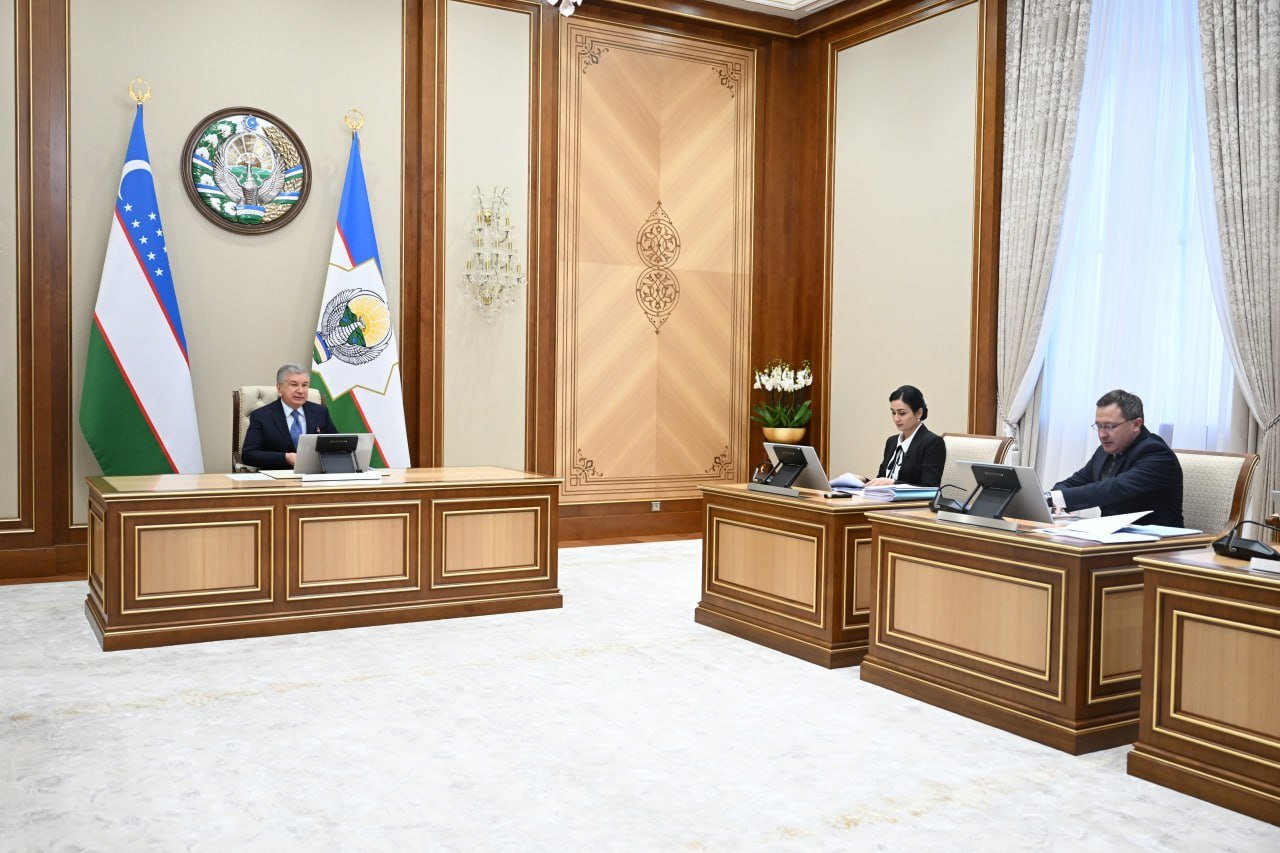
On April 13, President Shavkat Mirziyoyev got acquainted with the presentation of proposals aimed at further liberalizing the procedure for applying financial fines to business entities, reducing excessive bureaucratic obstacles in this regard, and increasing the effectiveness of judicial control over the activities of state bodies and officials.
In the presentation, a number of problems remain for entrepreneurs in the practice of applying financial penalties today was recorded. In particular, the fact that most of the fines are currently applied by competent authorities and the rest by courts shows the need to strengthen judicial control.
In this regard, it was proposed to introduce a new and unified procedure encouraging voluntary payment of financial fines from October 1 of this year. According to it, if the business entity pays 50% of the fine within one month from the date of delivery of the decision of the competent body, it will be exempted from paying the rest.
It is also envisaged to make it possible to pay the fine in equal installments over six months. In this case, if one-sixth of the amount of the fine is paid within one month after the decision is handed down, this procedure is automatically applied.
In order to strengthen judicial control, it was proposed to establish a mechanism for returning the collected funds within 15 days in the event that the decision of the authorized body to impose a financial penalty is canceled or invalidated by the court. If this term is violated, it is assumed that interest will be calculated based on the main rate of the Central Bank for each calendar day of delay.

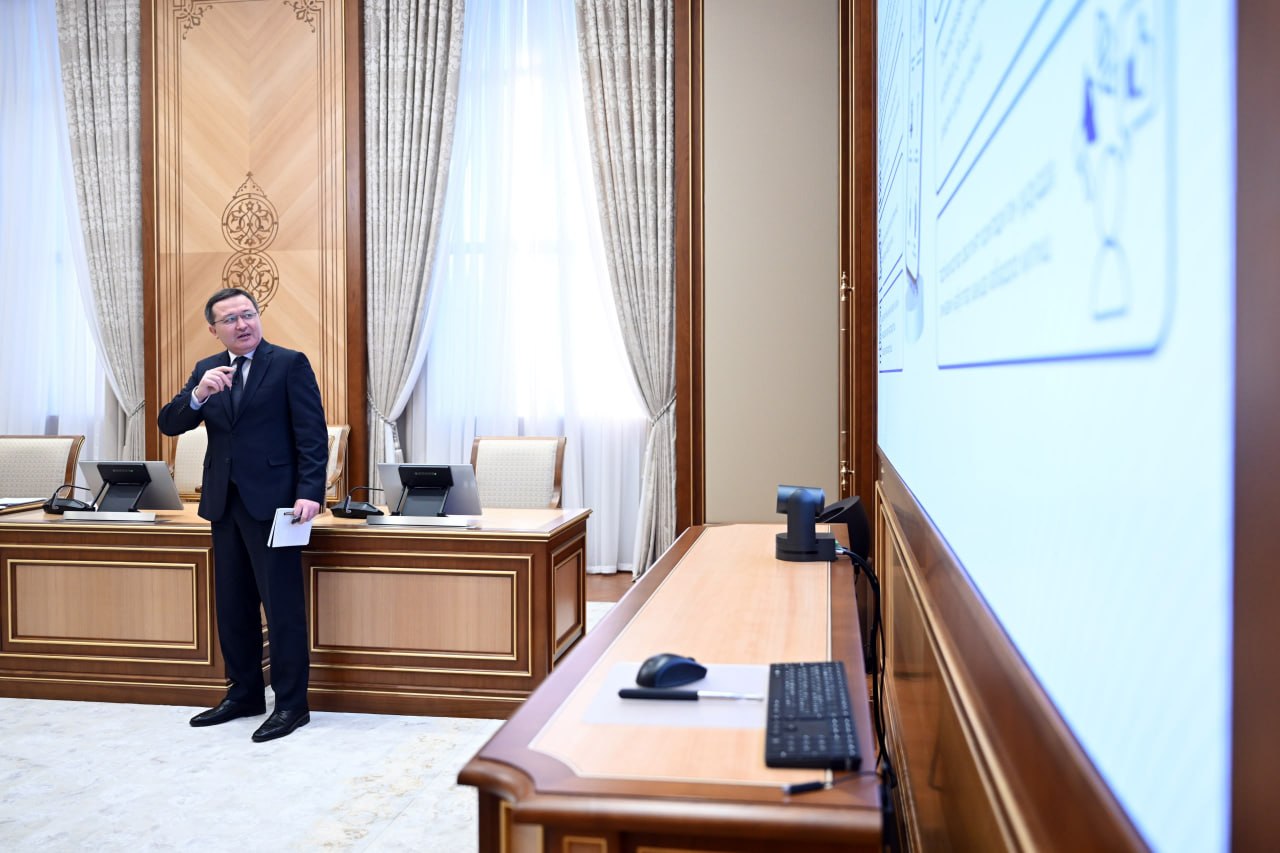
Special attention was also paid to digitalization of financial penalty application processes. It was proposed to introduce an electronic register of financial fines applied to business entities in the “Uniform State Control” information system managed by the Business Ombudsman.
After the decisions of the authorized bodies are made, it is necessary to enter them into this system with an electronic digital signature. Decisions that are not entered into the information system and not confirmed with an electronic signature are considered invalid, and no fine is charged based on them.
It was also noted the need to keep track of financial fines through a mobile application, create the possibility of monitoring them and pay them online, mutual integration of the information systems of the relevant agencies. It is envisaged to introduce the possibility of filing an online appeal against decisions on financial fines through the personal office of the taxpayer-business entity and automatically suspending the execution of the decision upon submission of the appeal.
In the presentation, a proposal was made to develop a draft law “On Legal Impact Measures” aimed at unifying the procedure for applying legal impact measures.
The head of state emphasized that the most important tasks are to reliably protect the rights and legal interests of business entities, to encourage them to operate in compliance with the law, and to ensure fairness and transparency in the practice of applying fines.
After carefully developing the proposals, relevant assignments were given to officials to strengthen judicial control, speed up digitization, and create a single, clear and fair legal mechanism in the field.