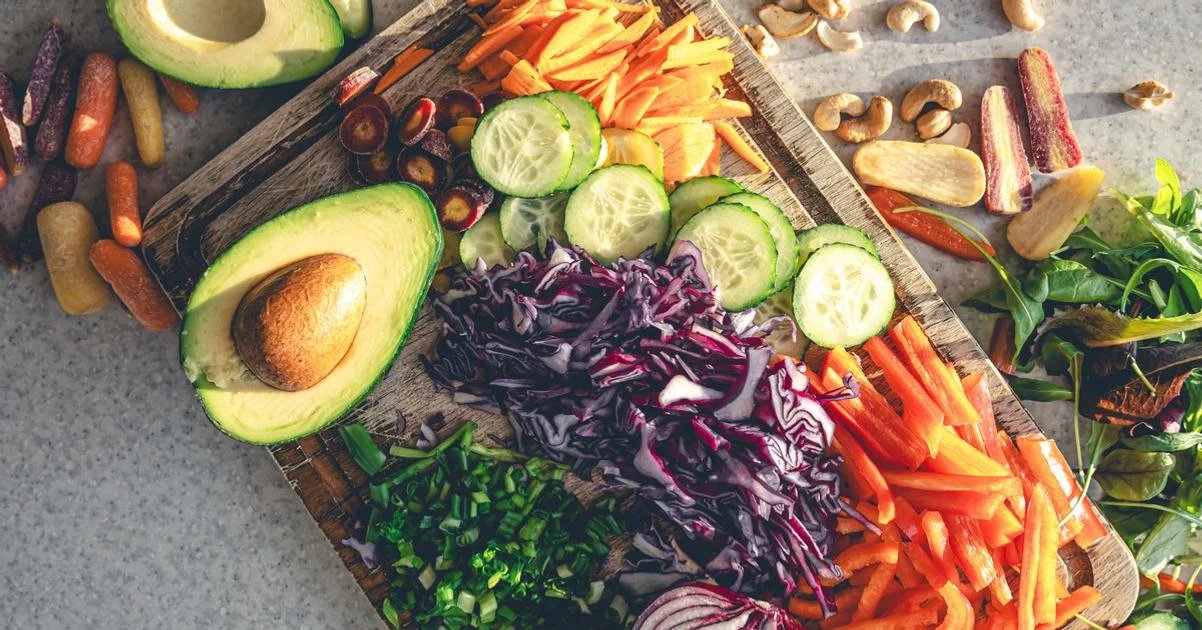
Some food combinations work simply because they taste great together – tomatoes with mozzarella, apple with cinnamon, pancakes with chocolate.
However, there are also connections that have much more potential than just pleasing the taste buds. In the right combination, certain foods can have a more significant effect on our health than when they are consumed separately.
It is on this principle that the concept of the so-called food synergy – food synergy.
“Food synergy is a recognized concept in the field of nutritional sciences based on scientific and medical evidence,” gastroenterologist Peter Minárik explains to SME.
There are no complicated dietary rules, but a simple principle – to think about food as a whole, in which nutrients influence and support each other.
In the article you will read:
Suitable combinations improve health comprehensively
In a simplified way, the concept of food synergy can be imagined in such a way that individual food components do not act in isolation, but in mutual interaction. Their effects on health can add up or even intensify – and it is precisely this joint effect that is manifested when they are consumed in combination.
“Additive, synergistically acting nutrients (nutrients) can occur either within one food or in a combination of several foods,” explains Minárik.

Related article
They are in baked goods, cheeses and meat. Scientists have identified 12 preservatives that are linked to cancer and diabetes
Read more
He adds that this is an approach that was established in the scientific literature at the beginning of the 21st century and currently forms one of the foundations of research into eating habits, or dietary patterns.
Interactions between nutrients fundamentally change absorption and metabolism, creating synergistic effects that increase or decrease their bioavailability, the expert further explains.
Suitable combinations of foods with a positive synergistic effect improve health comprehensively – they increase immunity and nutrient absorption, reduce the risk of infections, promote wound healing and help prevent chronic diseases, while also having an impact on reproductive and mental health.
The latest findings show that the importance of food synergy is growing especially in clinical practice – for example, in the treatment of obesity or other chronic diseases.
As the publication in the magazine also indicates 2025 JAMAfood combining principles should be a natural part of nutritional counseling across all levels of health care, including patients undergoing pharmacotherapy.
Examples of chemical enhancement of nutrient absorption:
According to Minárik, the following can be examples in particular:
-
Vitamin C and iron: Ascorbic acid reduces ferric iron (Fe³⁺) to divalent iron (Fe²⁺), which is more bioavailable, and forms soluble complexes of iron and vitamin C (ascorbate) that remain absorbable even at the alkaline pH of the small intestine.
-
Fats and fat-soluble vitamins: Fats in the diet support the formation of micelles in the intestine, thereby increasing the absorption of vitamins A, D, E and K, as well as carotenoids.
-
Proteins, polyphenols and minerals: Protein increases the absorption of zinc, while polyphenols (berries, red grapes, red wine, red onion, red cabbage, green tea, coffee, herbs, mint, cocoa, dark chocolate) also facilitate the bioavailability of zinc.
When teamwork works
Food synergy is best shown in common food combinations, where the individual components interact with each other and increase their biological effectiveness.
Some of these connections are known traditionally, others are supported by modern research:
Lemon juice and vegetables
Green leafy vegetables like spinach contain iron, but the body is a bit picky about which iron it can use. In this case, it is non-heme iron, which is absorbed worse than iron from meat.
Squeezing a lemon (or adding broccoli or another vitamin C-rich food) helps regulate iron (heme iron)which the body can better accept and at the same time prevents the iron from being lost during digestion.
This way, more of it gets into the blood, and the body can more efficiently form hemoglobin, which is important for oxygen transport.