When Frieze Seoul arrived in 2022, South Korea’s capital quickly emerged as one of Asia’s most closely watched art hubs, and its growing ecosystem of museums, galleries, collectors and audiences fueled optimism about the city’s potential.
But the art scene’s newfound prominence brought another phenomenon: a rapid increase in the number of art fairs.
Just five years ago, only a handful of fairs were considered essential stops for collectors and art enthusiasts, including Kiaf Seoul, Galleries Art Fair, Art Busan and Art Fair Daegu. The number of fairs has roughly doubled since, with new entrants seeking to carve out niches in an increasingly crowded market.
“The market was booming at the time, and everyone wanted to launch a fair,” said a Seoul-based art dealer who requested anonymity.
But the proliferation of art fairs has not translated into a meaningful expansion of the overall market, according to industry sources. Instead, it has intensified competition for a limited pool of collectors, raising questions about the sustainability and profitability of so many events.
The number of art fairs rose significantly from 71 in 2022 to 108 in 2024 — an increase of more than 50 percent. Over the same period, sales generated through art fairs fell 26.3 percent, from 305.2 billion won to 225 billion won.
This stands in contrast to the brief boom period of the Korean art market, which reached a historic peak in 2022. After the Frieze Seoul debut that year, the market was estimated to have surpassed the 1 trillion won ($656 million) mark for the first time, according to data from the Korea Arts Management Service. At the time, art fair sales accounted for roughly 30 percent.
“The number of collectors is limited, and the Korean market isn’t actually that large, so there are clear limits to its growth,” the dealer said.
Galleries Art Fair, Korea’s oldest art fair founded in 1979, has long served as a barometer of the domestic art market. The fair returned from April 8-12 this year with its largest-ever roster of participating galleries.
The association has also expanded beyond Seoul.
In 2023, it launched Galleries Art Fair Suwon to attract younger collectors in southern Gyeonggi Province. The third edition of that fair will be held June 25-28 at Suwon Convention Center.
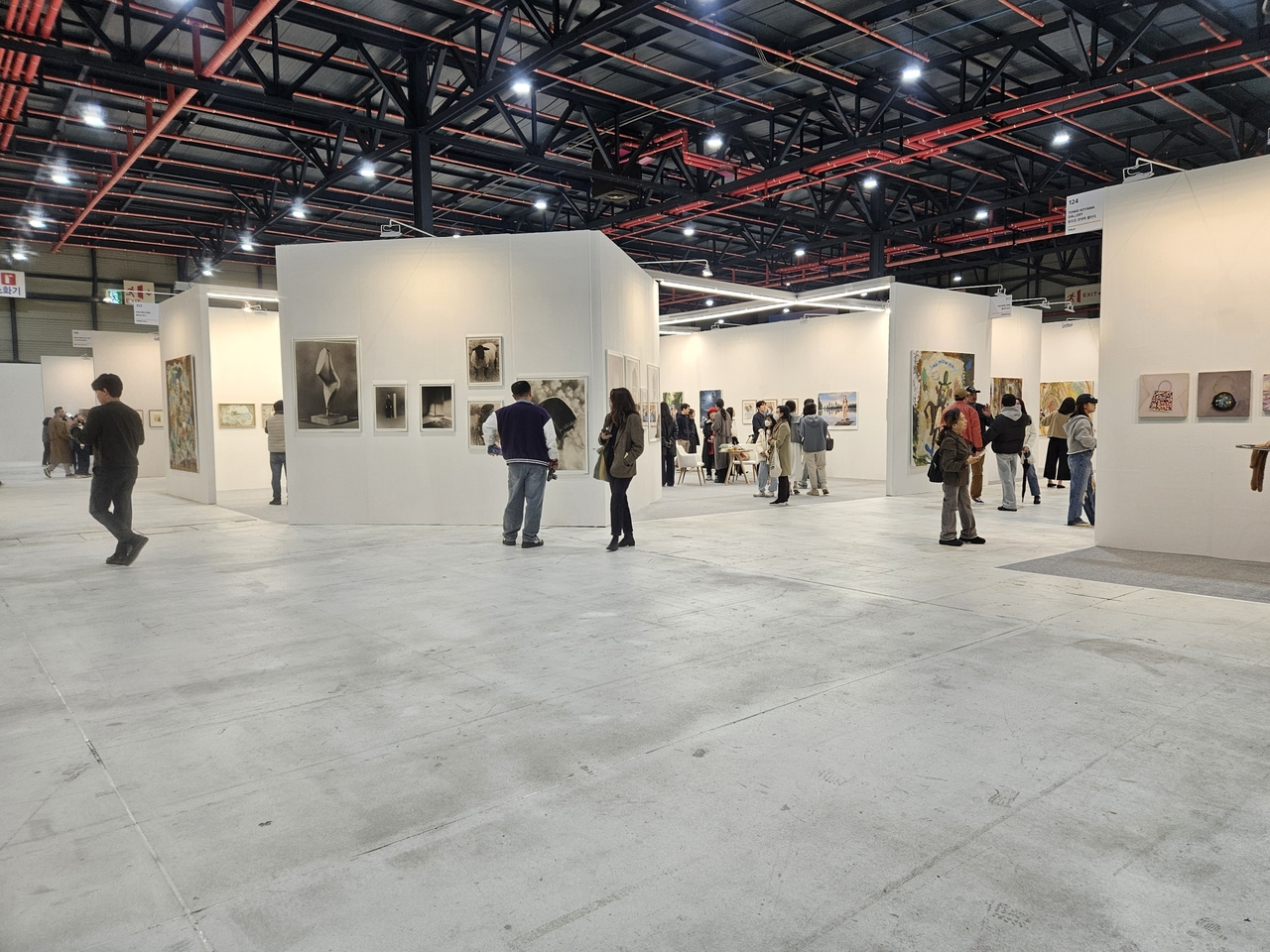
Other newcomers have also found their footing. Art OnO, launched in 2024 by collector and entrepreneur Noh Jae-myung under the motto “Young and Fresh, but Classy,” has positioned itself as a platform for emerging artists while maintaining participation from established galleries.
Lee Da-kyung, director of G Gallery in Seoul, said the growing number of art fairs reflects rising public interest in art and should not necessarily be viewed negatively, but acknowledged the financial burden facing galleries.
“Booth fees continue to rise, while shipping, installation and staffing costs are also increasing, making fair participation more expensive than ever,” Lee said.
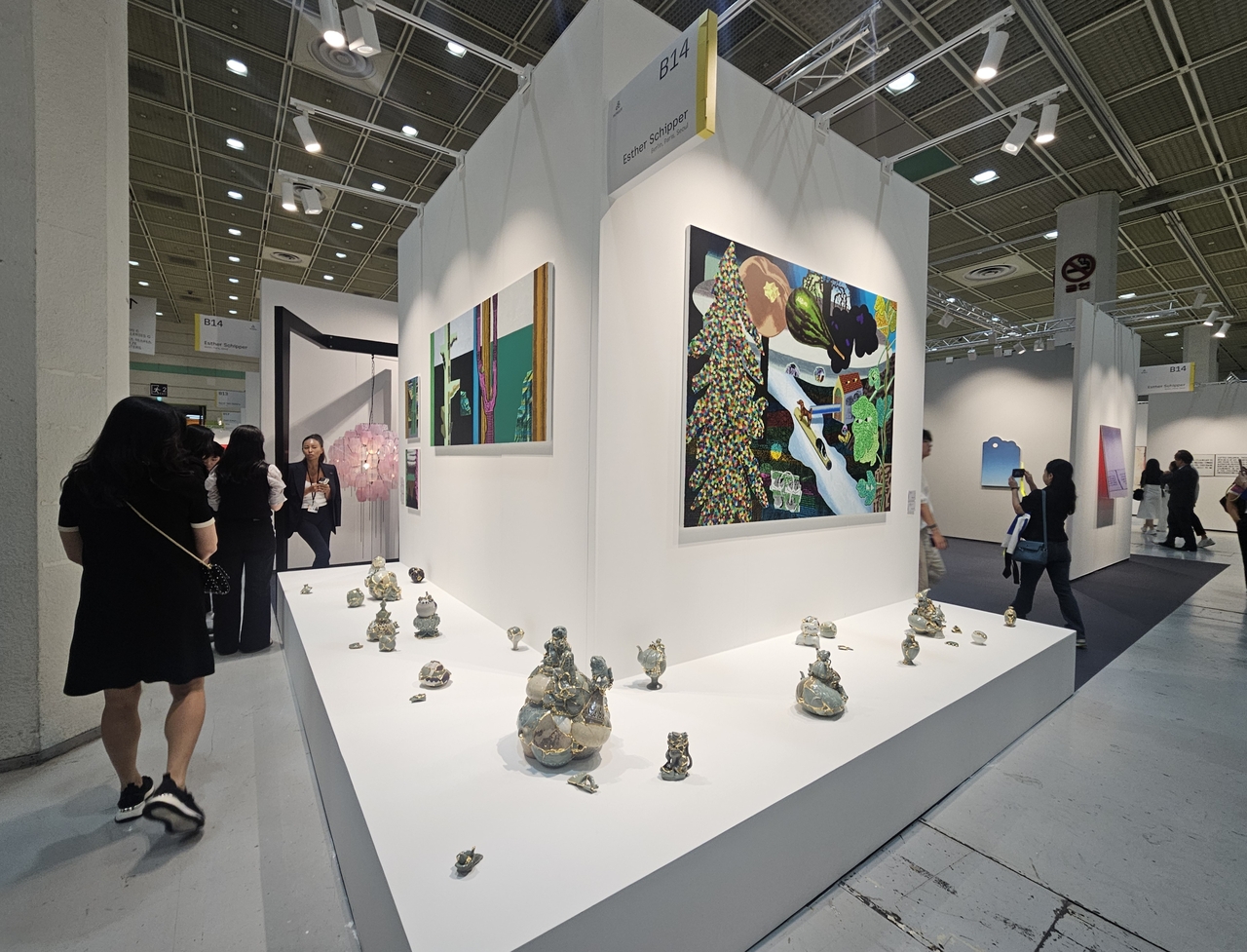
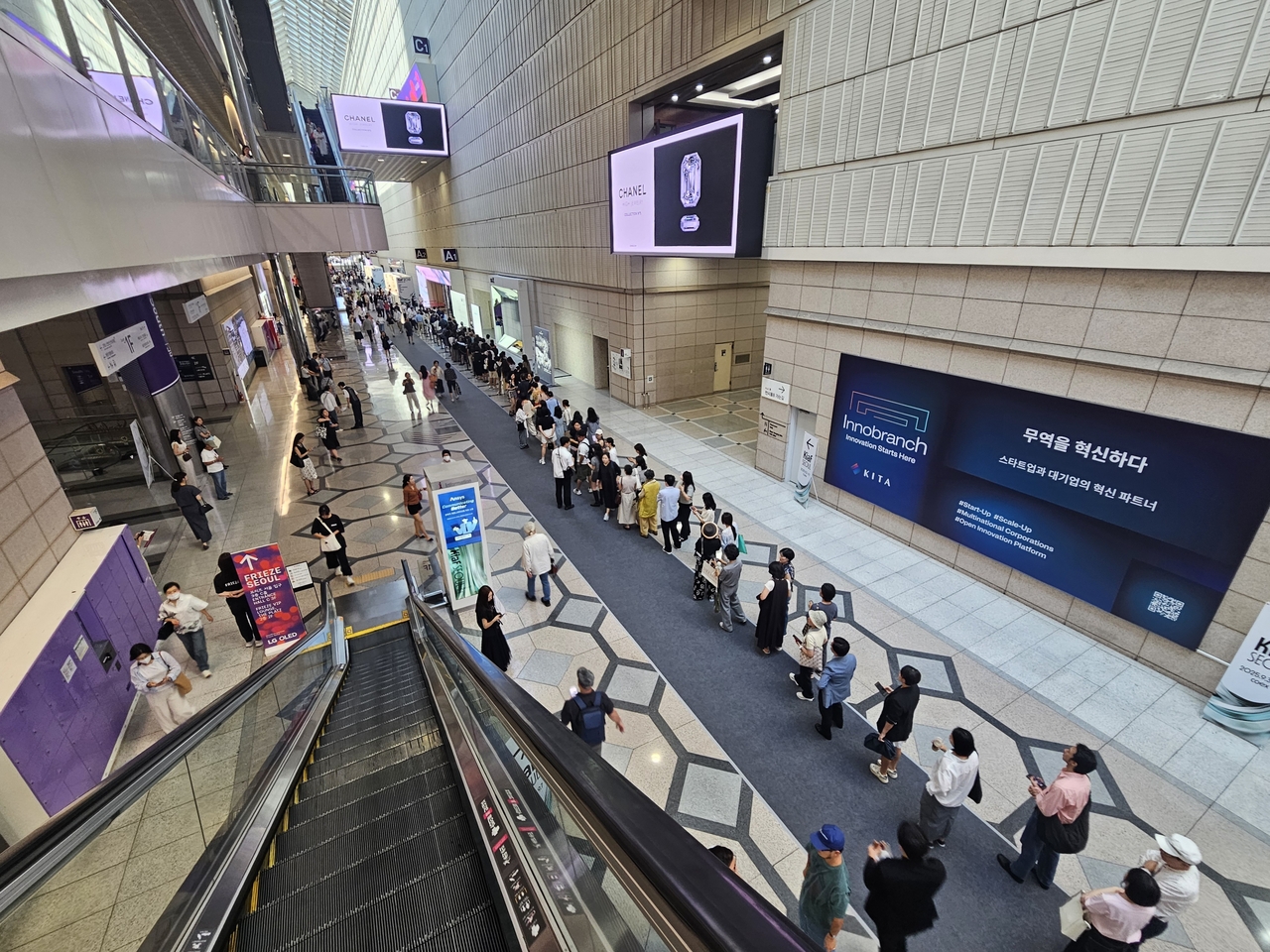
Frieze Seoul remains the highlight of the year: held alongside Kiaf Seoul each September at Coex, it brings together hundreds of galleries from Korea and abroad.
“Being selected for Frieze has become a ‘mark of status’ for galleries here, which is why so many Korean galleries want to participate,” said Lee Joon-yub, director at Gallery Shilla.
“There is also a perception among collectors that if you’re going to spend money on one fair, it should be Frieze,” the gallerist added. “It’s like eating the same rice-cake soup, but somehow it tastes better on Lunar New Year’s Day.”
Regional fairs such as Art Busan and Art Fair Daegu continue to operate despite challenging market conditions, though regional events are generally more vulnerable than those based in Seoul.
“Art fairs provide a valuable opportunity to meet new collectors, compare galleries and identify market trends in one place,” said another Seoul-based gallerist, asking for anonymity.
“But in Korea, galleries sometimes participate not only for sales but also because of relationships within the industry and a desire to support organizers for their personal relationship. At some point, galleries will have to make choices. I think the market will sort itself out.”
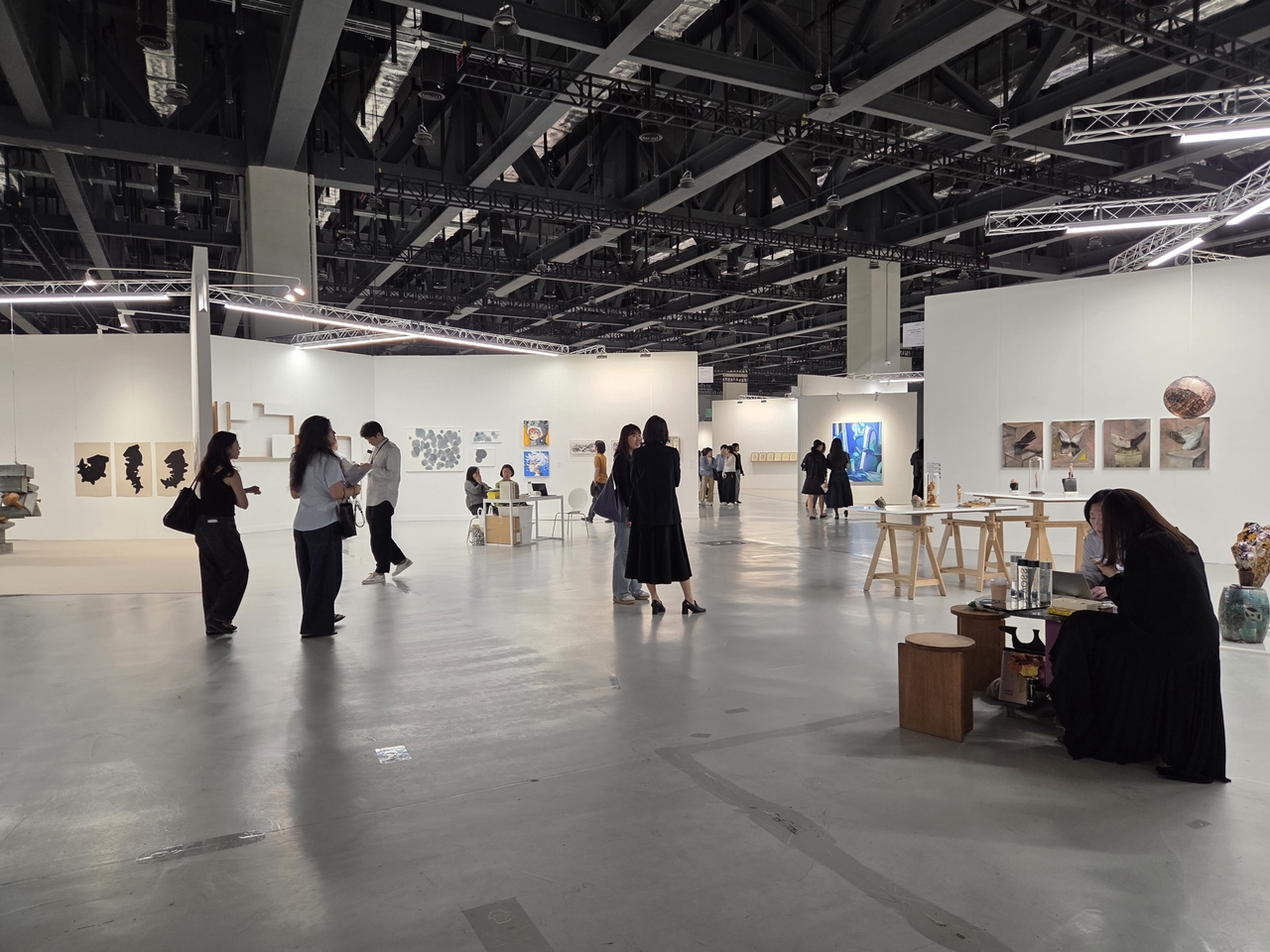
Some organizers are exploring new approaches under mounting pressure to lessen the industry’s dependence on art fairs and to reinvent the art fair model itself.
One example is Hive Art Fair, which eliminated booth fees for participating galleries and instead seeks revenue through ticket sales, partnerships and other programs.
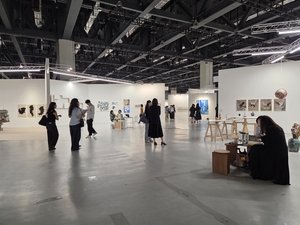
With its first edition held from May 21 to 24 at Coex Magok, the fair attempted to differentiate itself by minimizing overlap among artists presented by participating galleries
“Many fairs have started to feel repetitive because the booths look similar and feature similar presentations. We felt it was time to experiment with a different format,” said Kim Dong-hyun of Hive Art Fair.
“There are certainly things we need to improve after the first edition, but these kinds of experiments need to continue. With so many fairs competing for attention, new formats are no longer a choice, but a necessity.”
yunapark@heraldcorp.com