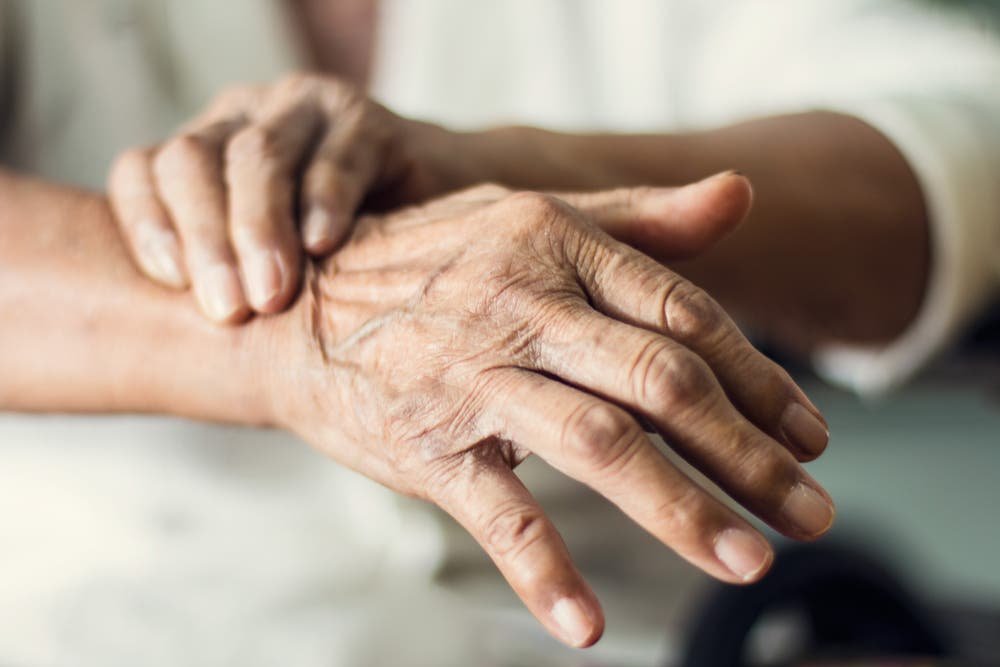
A family that lives with a person with Parkinson’s experiences changes in their life from the moment of diagnosis, that is, from the moment it is known that they have this complex and incurable neurodegenerative disease. This moment is of great impact in multiple ways for the patient and their family environment.
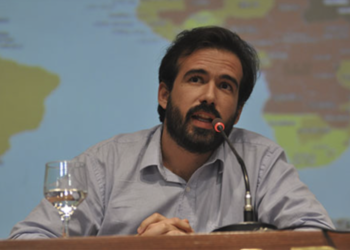
We are addressing this issue as part of the commemoration of World Parkinson’s Day (April 11). In Managua, the Association of People with Parkinson’s of Nicaragua (ParkinNica) – in the process of legalization – held an assembly of members – people with this condition and their families – on Sunday the 12th, in which a speaker spoke briefly about the importance of World Parkinson’s Day; a specialist from Colombia spoke online about positive experiences of exercise for Parkinson’s; A physical therapist guided the performance of movements that can slow the progression of this condition; and a magnificent singer and guitarist, he delighted with his songs.
Family members and other caregivers of people with Parkinson’s are impacted on their health when performing this delicate task, and may suffer from back pain, high blood pressure, arthritis, and rapid loss of energy. One in two has fatigue, and 40 percent suffer from insomnia. The overload of caregivers must be a present concern at all times, to take preventive and protective measures.
“Health is a state of complete physical, mental and social well-being, and not merely the absence of disease or infirmity,” defines the World Health Organization (WHO). Parkinson’s affects the emotional level very strongly, to the point that nearly 50 percent of family members suffer from stress, worry about the future and episodes of anxiety. Regarding overload, 4 out of 10 feel overwhelmed by the situation.
There are also the economic challenges that more than 65 percent of families experience. The two most important effects on the domestic economy are: long-term planning (expenses derived from the disease, if the person with Parkinson’s stops working, and payment for treatment.
There are those who can pay for a caregiver, a domestic worker, a driver, private hospitals and doctors, essential medications, and complementary medications, a physiotherapist, psychologist or psychiatrist, etc., but the majority in Nicaragua does not treat the condition in such a comprehensive way. However, even so, they can live well if they take medication on time, eat healthily and exercise.
Family members and other caregivers should educate themselves about Parkinson’s. In both initial and advanced stages, new symptoms may appear, existing ones may worsen, and changes in treatment may be required.
As the person with whom the person with Parkinson’s spends the most time living, the caregiver must write a diary of symptoms and episodes that she considers may be relevant, to communicate them to the neurologist.
Accompaniment to the consultation is essential, since in the doctor-patient relationship the caregiver provides another point of view, they can refer to special situations, for example, if the person with Parkinson’s suffers involuntary episodes of movement at night or is not able to move correctly in the morning.
The caregiver controls the timely intake of the pharmacological treatments, providing the medications at the established times and doses, as well as notifying the neurologist if the medication begins to lose its effect.
In Nicaragua there are people with Parkinson’s who abuse the basic medication, which is Levodopa, which aggravates their conditions, and can lead to death, as recently happened with a communicator who, seeking to feel better, took this pill too many times, and in fact it got worse very quickly, until he died from multiple complications.
The family member or caregiver can accompany the physiotherapy, occupational therapy, psychology, etc. consultation, in addition to helping and encouraging the affected person to do the exercises they should do at home.
In more advanced stages of Parkinson’s, caregivers are essential for hygiene, feeding, communication and others that the person with Parkinson’s cannot do themselves.
The most important thing that the family can provide is emotional support. Affection and understanding are essential for the person with Parkinson’s to understand the particularities that may arise due to the disease, and, above all, so that they do not become depressed, and, on the contrary, decide to fight with all their strength.
Some tips for the family, or other caregivers, are: dedicate quality time (an hour and a half a day if possible to “disconnect”, do not neglect your “hobbies”, needs and routine activities, take care of your diet and rest and attend regular medical check-ups. Self-care is a necessary element so that the disease affects the quality of life of those who care for people with Parkinson’s as little as possible.
Regarding time management, the caregiver must make daily and weekly lists, which help prioritize tasks. The routine of each day’s activities agreed upon with the person with Parkinson’s allows the order of exercises, meal times, rest times, etc. to be established.
When communicating with the family member who has Parkinson’s, be clear and open. The caregiver must express their feelings and concerns. It should be a dialogue to share points of view and align the objectives of both.
*Nicaraguan journalist residing in Managua, diagnosed with Parkinson’s in June 2023.