Havana/The Revolutionary Armed Forces (FAR) deposited this Tuesday in the Melones mausoleum, in Holguín, the ashes that they attribute to the 13 soldiers killed in explosions at a weapons and ammunition warehouse on January 7, 2025, as reported The Touch. The act was held discreetlyalmost two years after the tragedy, without the authorities having presented public evidence of the identity of the recovered remains.
“Yes, we went, and everything was very discreet and simple. It was just putting the ashes, not a word from the FAR,” a family told the media, which reported this Wednesday about the event through its Instagram profile. Another mother confirmed her attendance, while the parents of one of the deceased recruits refused to participate and did not sign the authorization to deposit their son’s ashes.
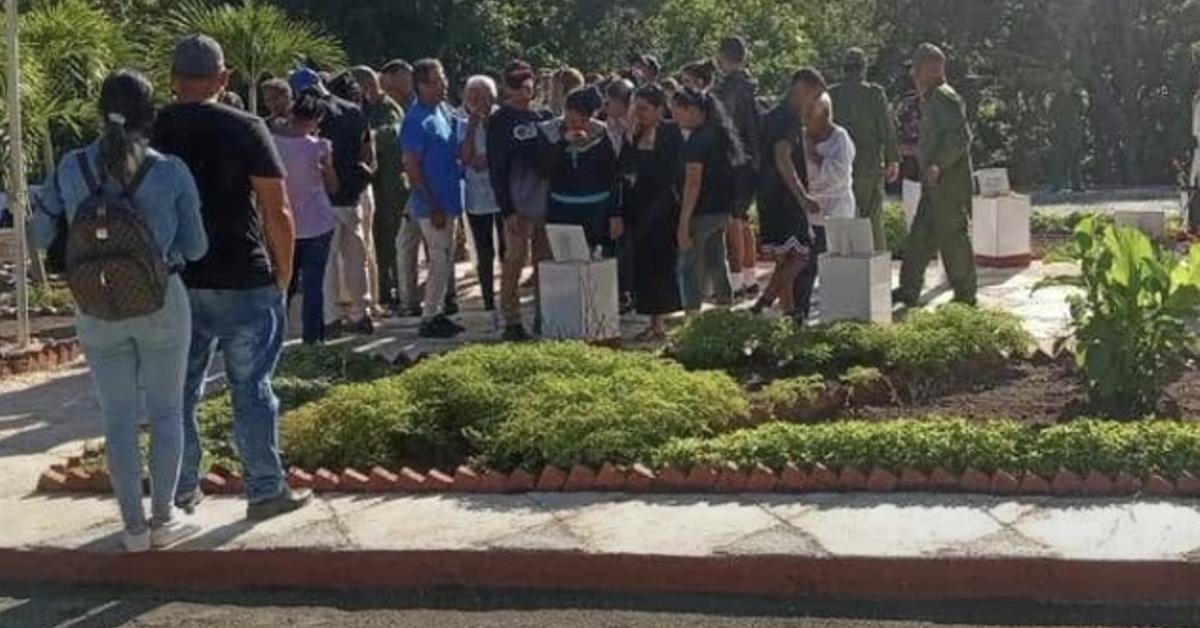
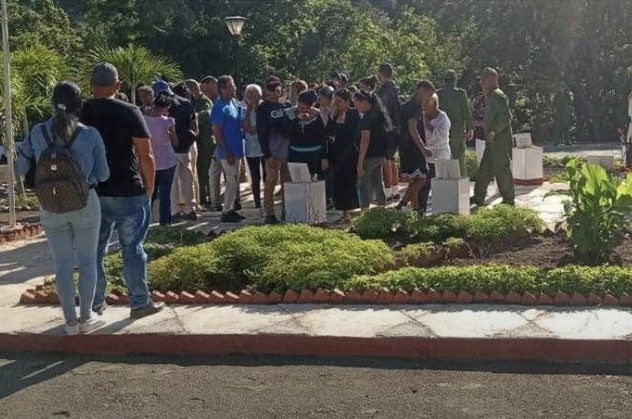
The photograph released by The Touch shows relatives and soldiers in front of the tombs of the mausoleum. On the graves they placed flowers and an inscription dedicated to the “13 combatants who fell in the line of duty.”
The absence of some family members and a photograph with the face of one of the young people covered reflected the discomfort with the actions of the authorities.
The contrast with the January 2025 military tribute It is remarkable. Then there were salutes, speeches and official mourning in the Calixto García square in Holguín, with the presence of Miguel Díaz-Canel and Manuel Marrero. The absence of some family members and a photograph with the face covered of one of the young people reflected the discomfort with the actions of the authorities.
In September, authorities had shown families photographs of the tunnels and small bone fragments that, they explained, could not be identified by DNA. In one research published on the 24th of that month, The Touch revealed that they requested authorization to jointly cremate the remains. As the media later reported, the authorities proceeded with the cremation and closed the case.
Daliha González Almaguer, sister of recruit Frank Antonio Hidalgo Almaguer, questioned the images presented. “Why didn’t they throw the photo in the place where they were found?” he asked. According to his testimony, they seemed to have been taken in a laboratory and did not show the fragments inside the tunnel.
Julio César Guerrero, father of José Carlos Guerrero, also rejected the explanations. “Yes, they gave us an answer, but as always, a very poorly rehearsed theater full of lies and unbelievable photos,” he declared. “For me they are still missing,” he added.
Gretel María Franco, mother of Leinier Jorge Sánchez Franco, reported that it was neighbors who first located the bodies. “It was civilians who found the bodies in the tunnels, we found out from them, and if it weren’t for them the military would not have entered there,” he said. The woman stated that she did not authorize the cremation and demanded to see the remains, but they responded that they were “in the custody of Forensic Medicine.”
The official notification to the families came in September, more than two months after they were initially informed of the discovery of human remains at the facility. So far, there is no public statement from the authorities regarding the deposit of the ashes.
Nine young people who were completing Active Military Service and four officers died in the explosions. The Government initially attributed the disaster to a possible short circuit, but did not make public the results of the investigation or specify responsibilities. In January of this year, when the first anniversary of the tragedythe unit remained closed.
An investigation of The Touch, published in septemberdocumented at least 89 deaths during military service in Cuba between 2017 and 2026, including six minors. Accidents, with 33 cases, and suicides, with 31, were the main causes recorded.