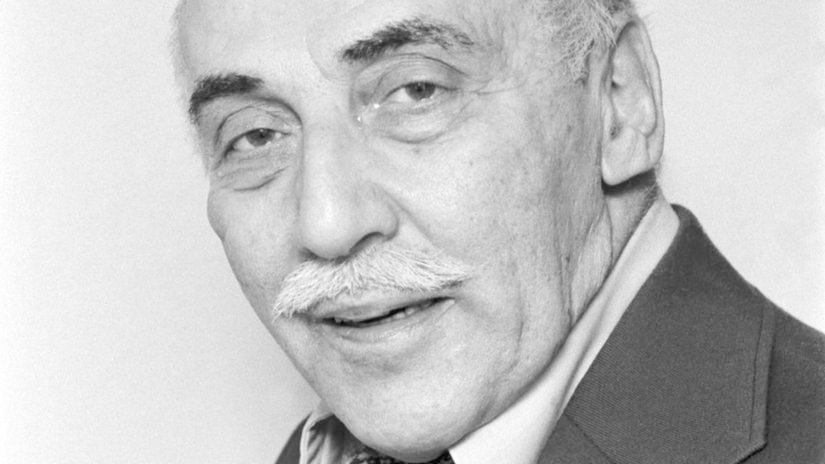
When his name is mentioned, most of us think of the face of a man who didn’t need to shout to conquer space. All it took was a gentle raise of the eyebrows, an economical gesture and a voice that carried an unprecedented mixture of intelligence and cynicism.
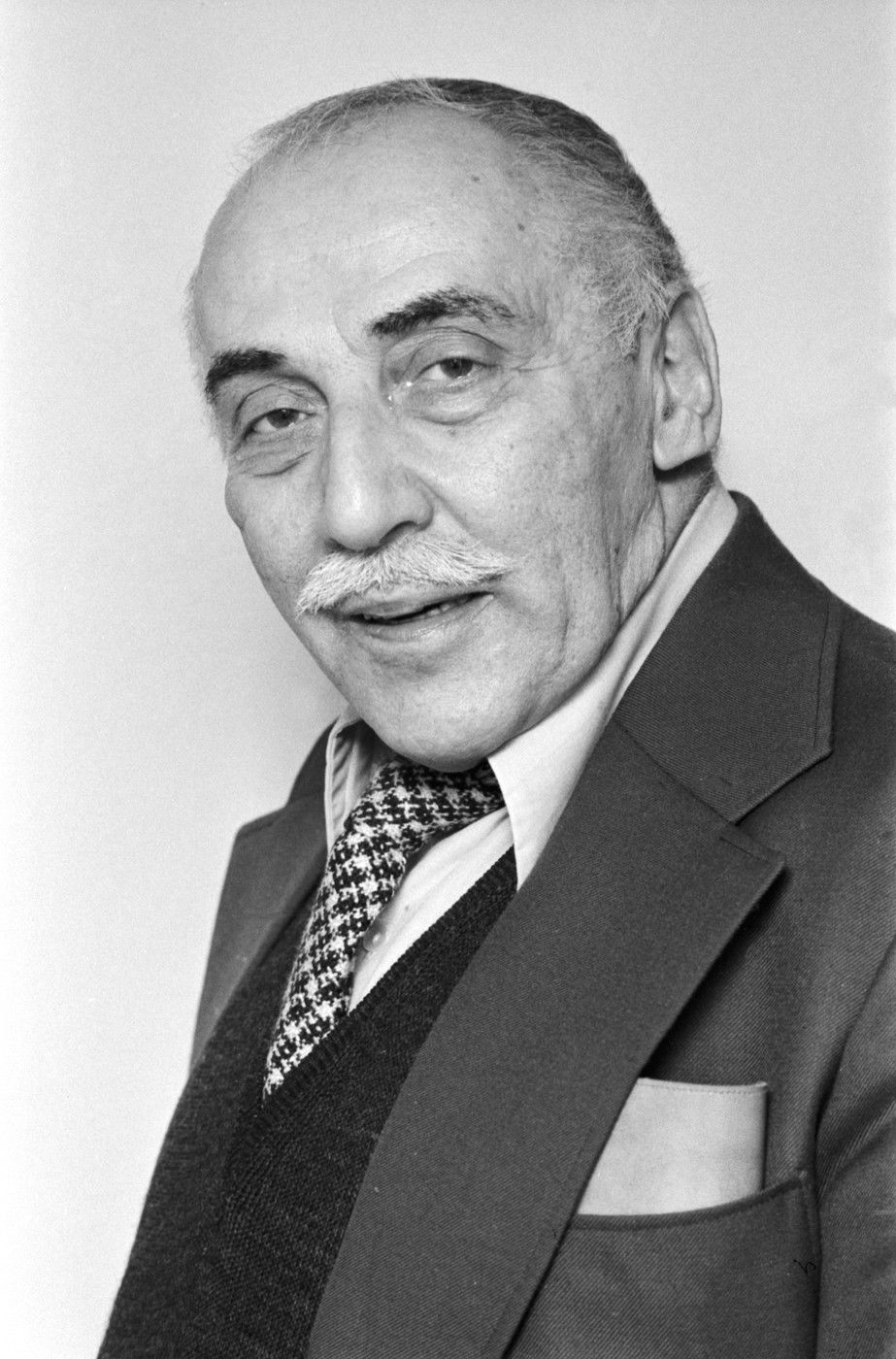
Photo: ČTK / Vlček Karel
Actor Miloš Kopecký in a shot from 1983.
Actor Miloš Kopecký was the king of transformations – from sneaky princes to bon vivant barons to the spacious Dr. Štrosmajer. Audiences loved him for his charm and wit, most of them unaware that the “lion of the salons” had actually been battling demons throughout his life that would have broken many in their youth.
The shadow of the yellow star and the father’s ortel
The story of Miloš Kopecky began to be written in 1922 in Prague, but his carefree childhood in the family of furrier Vladimír and hatter Marta was cruelly cut short by the war. For the young Miloš, the tragedy had an extremely personal and bitter dimension. His mother was Jewish, which put the family under unimaginable pressure. It was here that a moment took place that left an indelible scar in Miloš’s soul. As the portal Blesk.cz writes, his father divorced his mother because of her origin in order to save the fur industry. However, in doing so, he deprived her of the protection that her mixed marriage afforded.
Kopecký himself mentioned this turning point in his autobiographical book Já: “The father de facto took a stand against the mother. If the parents had not been divorced, the mother would not have ended up in Auschwitz, but perhaps she would have stayed in Terezín, where she could survive the war.”
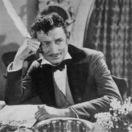
Marta Kopecká perished in Auschwitz. However, the young Miloš did not escape the horrors of the war years – in August 1944, because of his origin, he went to the labor camp in Bystřice near Benešov. As several materials dedicated to the famous actor recall, the conditions in the camp were brutal. The command was in charge of the cruel SS officer Ernest Maurer, who did not hesitate to have the prisoners torn apart by dogs. Kopecký lived for months in clogs, hungry and in constant fear for his life.
The mask of the cynic as armor against pain
After the war, Miloš decided that fear would no longer be his master. He started from scratch, as a stagehand, but his talent was bright enough to stay behind the scenes. He went through dozens of theaters, from the National Theater to his beloved Theater in Vinohrady, where he worked for an incredible 31 years. He developed a style that critics have aptly described as “intelligent comedy with elements of skepticism, irony and self-deprecation.”
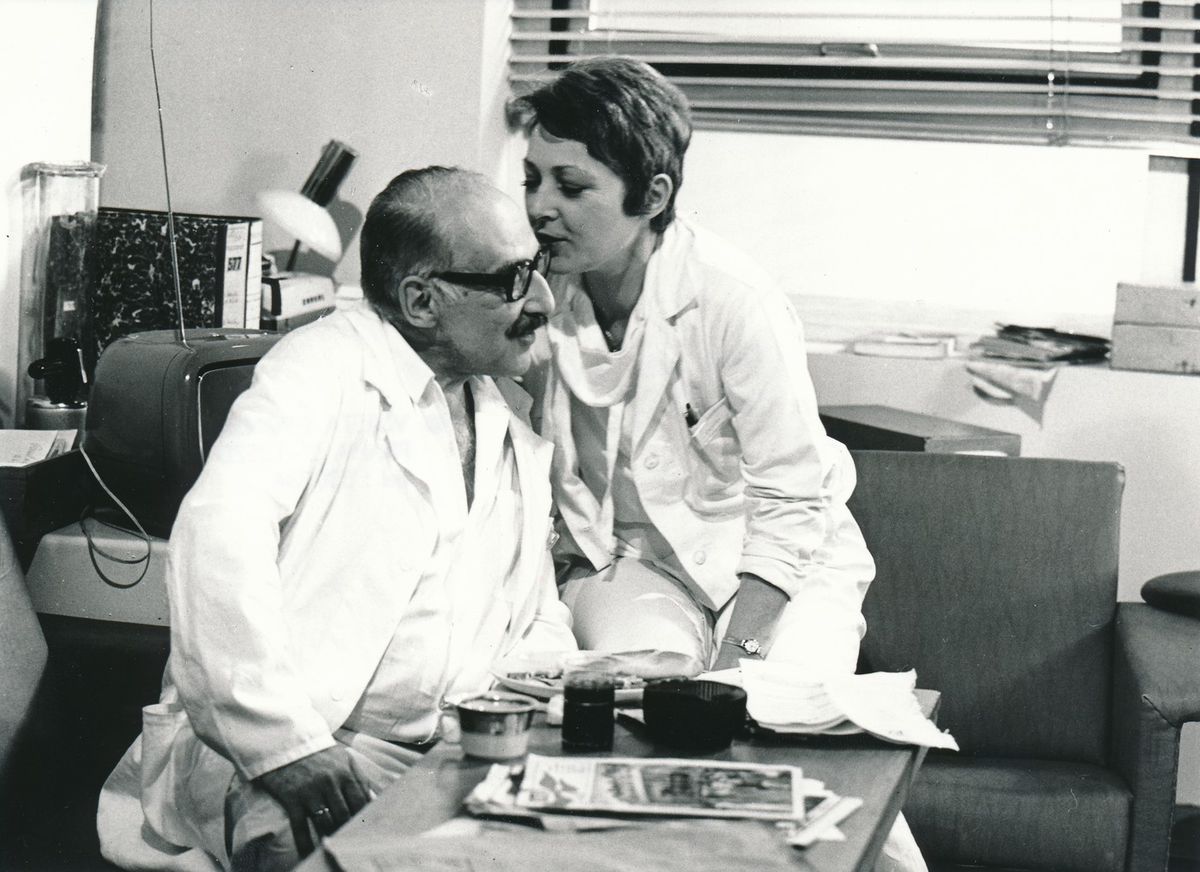 Photo: Vlasta Grónská / Borgis archive / Profimedia
101756004 Miloš Kopecký in a scene from the series Hospital on the outskirts of the city.
Kopecký did not play with his heart, but with his intellect. His characters – whether it was Field Curator Otto Katz in Švejko or Baron Prášil – were often crooked characters, but he was able to imbue them with humanity. Perhaps precisely because he himself knew well what pain was.
His famous Dr. Štrosmajer from the Hospital on the outskirts of the city was written directly on him. Although Kopecký said that he created many better roles, it was the vigorous doctor who brought him immortality. Paradoxically, as the portal Kinotip2.cz writes, he did not feel well in the hospital environment during filming, because he was too aware of his own fragility and illness there.