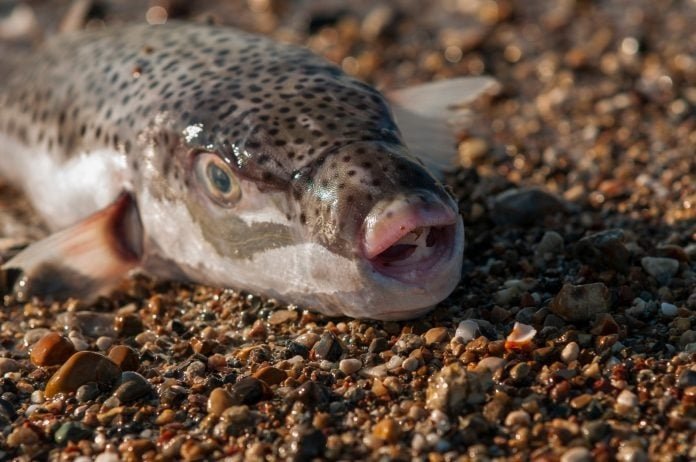
THE lagocephalus (Lagocephalus sceleratus) has been present in the maritime area of Cyprus, at least for the last 20 years, without any recorded attacks on bathers, he says, in a statement following the recent publications that have seen the light of day and to avoid, as he notes, causing disturbance to the general public, the Department of Fisheries and Marine Research (TATHE).
According to the announcement, effects on humans can be caused after consumption of the specific species. Furthermore, this species significantly affects professional fishermen, as it damages both the fishing gear and the catch.
The harehead is a toxic fish, of Indo-Pacific origin, which entered the Mediterranean Sea through the Suez Canal and is considered one of the most harmful invasive species in the Mediterranean mainly due to: (a) its rapid spread, (b) its ecological properties, since it is a species with a wide range of nutrition, (c) the ability to adapt to different environmental conditions and the limited natural predators in our area, (d) the neurotoxin it contains in its body, which makes it unsuitable for consumption and (e) the effects it causes on fisheries and more generally on marine biodiversity.
It is noted in particular that it contains strong tetradotoxin in its tissues, which can cause a source of food poisoning, therefore its consumption is prohibited. It is a predator, with a wide range of dietary preferences, it is equipped with a powerful beak, and its intense presence and spread cause significant damage to coastal fisheries.
TATHE, recognizing the problems faced by fishermen, which stem from the specific species, has already implemented mitigation plans from the two previous programming periods, 2007-2013 and 2014-2020, it is reported.
During the current programming period, the Grant Scheme to limit the spread of the seabream is implemented from June 2024, which will last until the end of 2029. Through this Scheme, intense targeted fishing pressure is applied to the seabream population by professional fishermen, whose remuneration amounts to 4.73 euros/kg.
According to the announcement, the hare, like other alien species, has been established in our sea for years and is now part of our ecosystem. Any measures taken are focused on mitigating the impacts the species causes on our fisheries.
It is pointed out again that bathers are not in any particular danger on the beaches. However, it should be avoided to disturb or even feed the hare, in case someone comes across it, as is the case with any wild species.
Finally, the TATHE urges citizens to be informed through valid sources about the presence of sea bream in the maritime area of Cyprus, such as the website of the TATHE, in order to avoid concern and panic.
KYPE