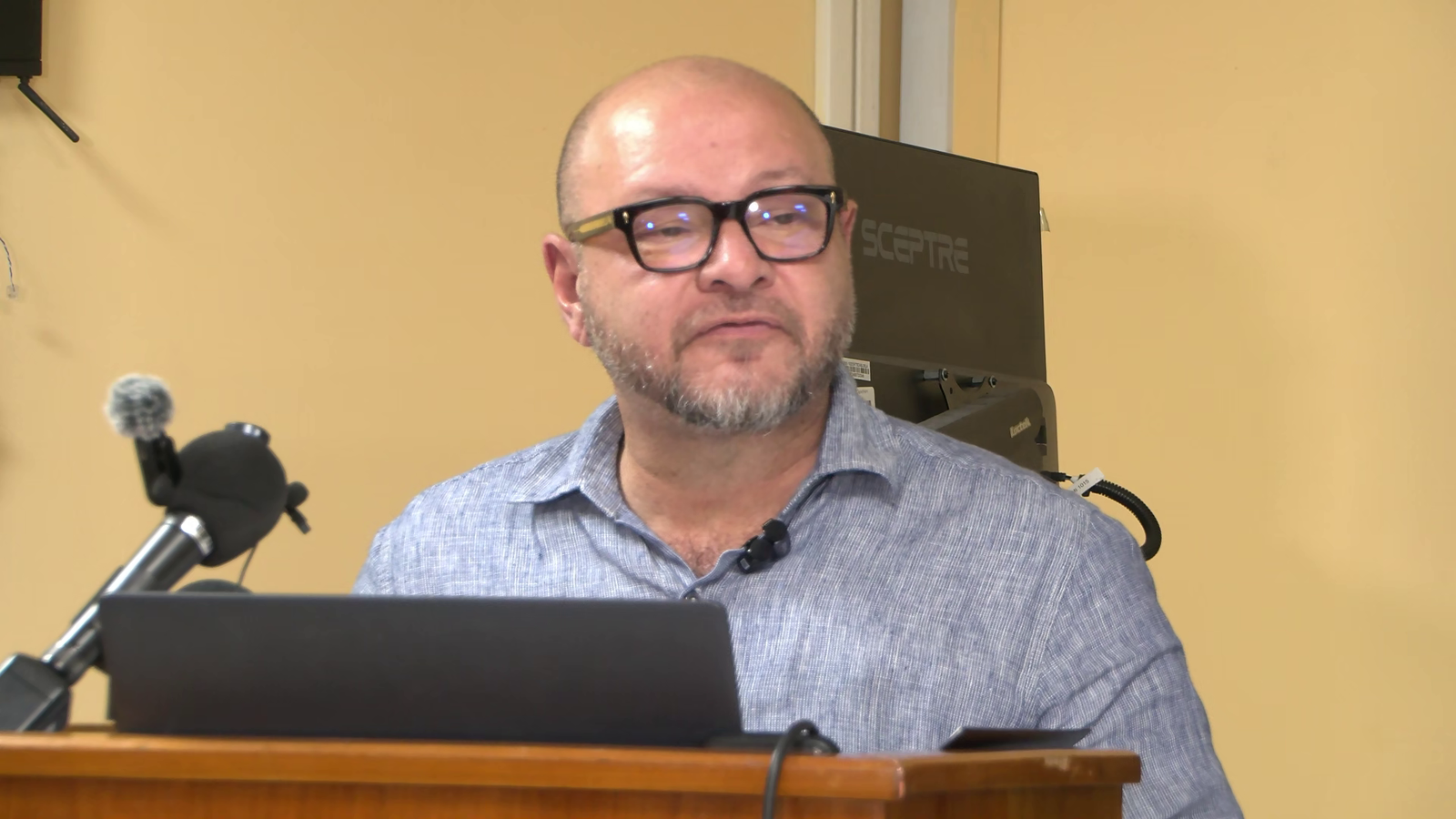
A State of Emergency can disrupt crime in the short term, but government now wants to change the laws it believes will have a lasting impact. National Security Minister Michel Chebat says consultations have started on major reforms involving firearms, drugs and sentencing. The proposed changes would also address the growing concern over young offenders and the adults who draw them into criminal activity. Chebat explained how government intends to move from emergency action to broader legal reform.
Michel Chebat, Minister of National Security
“In addition to the SOE, the following steps are being implemented. One, the deployment of an urban crime suppression unit that will be composed of the police, BDF, and Coast Guard. Two, we have begun consultations to amend, repeal, or replace the following legislations: one, the Firearms Act; two, the Misuse of Drugs Act. And three, the Crime Control and Criminal Justice Act. The objective is to increase the penalty for all crimes involving guns, drugs, or gun-related activities. To mandate custodial sentences, including for first-time offenders. To include many of the synthetic drugs that are not currently covered under our legislation. To set clear guidelines for courts in interpreting and sentencing for gun-related offenses. To enable minors who commit major crimes to be charged as adults. This is not where we want to go, and that is why we will be implementing our Second Chance Program. Because we believe in our young people and we must do all we can to save them from a life of crime.”
Minister Chebat says the proposed reforms would also target adults who recruit minors to commit crimes, increasing penalties for those behind the scenes who exploit vulnerable young people and use them to carry out criminal activities.
Attention readers: This online newscast is a direct transcript of our evening television broadcast. When speakers use Kriol, we have carefully rendered their words using a standard spelling system.
Watch the full newscast here: