Modern vehicles are equipped with numerous sensors that inform us about the engine oil level, fluid condition and tire pressure. Although this makes our everyday life easier and allows us to immediately get in the car and go on our way, technology cannot detect everything.
Also, many drivers do not have time for detailed vehicle checks at service stations, and some simply rely on luck on the road. HAK magazine is the technical advisor of the Croatian Auto Club, Marina Morava, what can be quickly checked on vehicles before the trip, and they singled out several important segments. Here is his advice.
External inspection and tire control
Before getting into the vehicle, walk around it and visually inspect the tires, especially before a long trip. Tire pressure monitoring systems (TPMS) sometimes report an error only after a few kilometers of driving, which can already irreversibly damage the deflated tire and endanger your safety.

**What to check:** Pay attention to whether the tires have visible damage caused by hitting the curb, dangerous bulges (balloons), irregular wear of the tread or cracks between the treads.
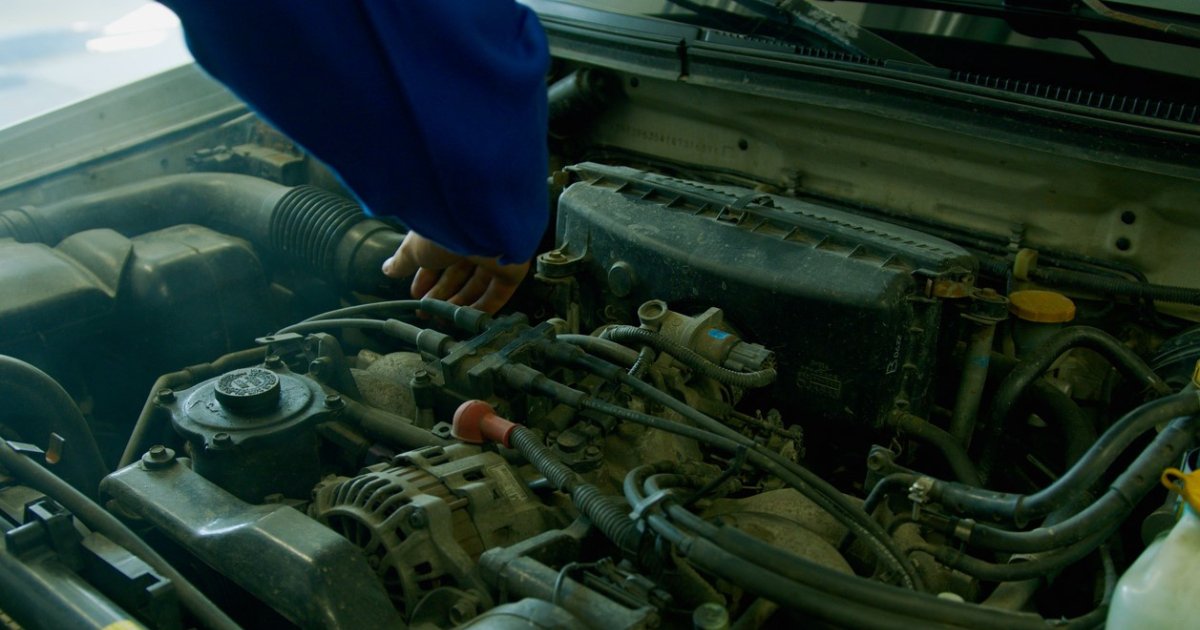
Inspection of the engine compartment (at least every three months)
Although many drivers do not open the engine compartment from one service to another, a manual check at least once every three months is recommended. Even today, many cars do not have sensors for all critical components.
Additional tips
- – Always fill the fuel tank to the top.
- – Bring at least two liters of drinking water.
- – Fully charge the mobile phone battery.
- – Prepare basic tools for minor repairs.
Checking the oil: Remove the dipstick to check the oil level and condition. Frequent short drives can accelerate the deterioration of the oil. If the oil is too thin (due to mixing with fuel), too dirty or has a burning smell, it’s time to change it.

Coolant: Visually check the level of the liquid in the container, because many models do not have a sensor that warns of too low a level of cooling liquid.
Recognizing hidden problems
By opening the engine cover more often, it will be easier to notice changes and irregularities that did not exist before. In this way, you can spot in time:
– oxidation on the connections or acid leakage from the battery,
-traces of leaking oil or other operating fluids,
– rodent nests that could damage the vehicle’s electrical installations.
Mandatory equipment and preparation for a longer trip
Before leaving, check the vehicle’s exterior lighting and make sure you have all the legally required, as well as additional equipment adapted to your car (such as spare low beam bulbs and other appropriate bulbs).