After more than 70 years promoting rural tourism, Gîtes de France is moving towards modernising its operations to compete with global holiday rental platforms.
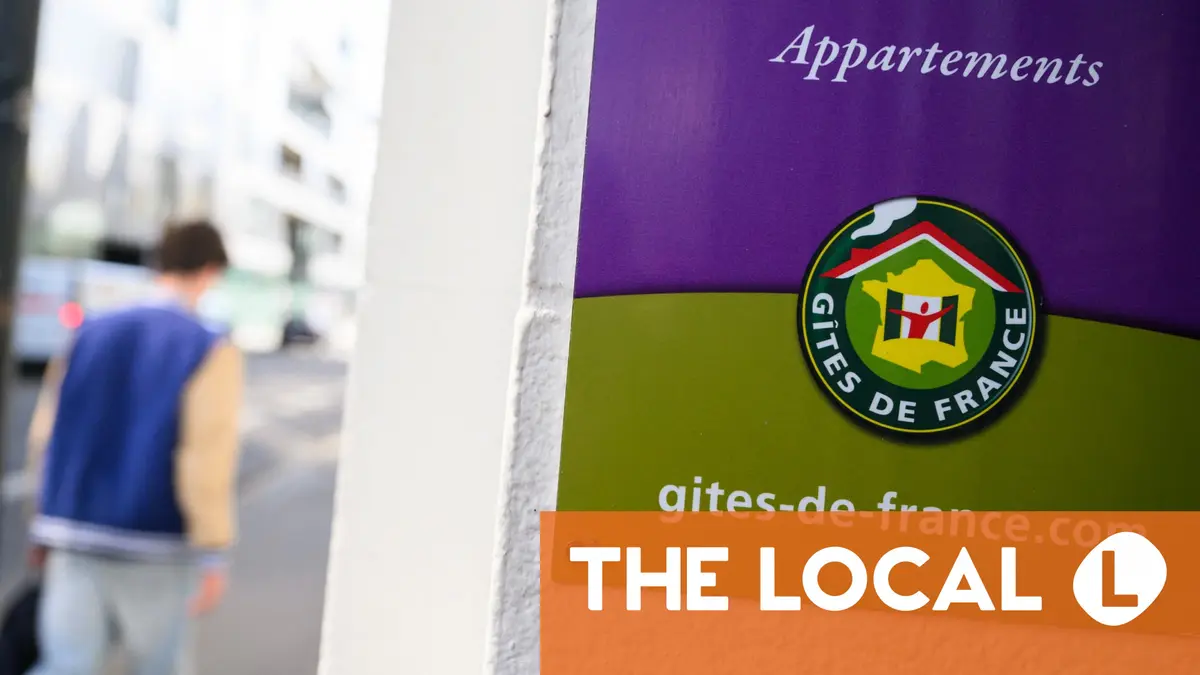
Anyone who has travelled around rural France has probably spotted the distinctive green-and-yellow logo showing a person standing beneath a house in front of a map of France.
The symbol marks a property affiliated with Gîtes de France, one of France’s largest networks of independently owned holiday accommodation.
While many visitors associate holiday rentals with Airbnb, Gîtes de France has been setting up travellers with accommodation for more than 70 years.
Founded in 1955 by Senator Émile Aubert in the Alpes-de-Haute-Provence region to support rural communities, the network now serves as a quality label for independently owned accommodation across the country, with properties inspected and graded according to national standards.
Today, Gîtes de France represents around 56,000 properties, including holiday cottages, bed-and-breakfasts, city apartments, group accommodation, children’s holiday centres and campsites.
The organisation recently elected Yannis Groell as its new national president for a three-year term. His goal is to modernise the platform. “My priority is to accelerate the internationalisation and digitalisation of Gîtes de France,” he told French media, Le Figaro. “The aim is to revamp the network by attracting new customers and new owners.”
A move towards modernisation
According to the network’s director general, Solange Escure, the enduring appeal of Gîtes de France is in the experience offered by local hosts.
“Holidaymakers are looking for both independence and authentic contact with local people who can share their knowledge of the area,” she told French daily Les Echos.
And the model is indeed thriving. In 2025, more than five million guests stayed in Gîtes de France properties, generating €27 million in tourist tax revenue for local authorities. The network says it is benefiting from the growing popularity of “slow tourism” – a travel trend that encourages visitors to spend longer periods exploring destinations at a more relaxed pace.
Last year Gîtes de France generated a turnover of €863 million, an increase of four percent compared with 2024. The network recorded 28.17 million overnight stays, with French visitors accounting for 84 percent of guests.
Increasing competition
However, the network is facing increasing competition from major booking platforms such as Airbnb, Abritel and Booking, which have expanded their presence in rural areas as cities introduce tighter regulations on short-term rentals.
READ MORE: Airbnb crackdown: The French towns that have short-term property rental restrictions
In response, Gîtes de France is embarking on a modernisation programme.
“Digitalisation, combined with the use of artificial intelligence to better understand customer expectations and adapt our offer, will allow us to accelerate our development,” said newly elected president Groell.
While local and departmental branches will retain their autonomy, Groell said the network needs better integration between its regional booking systems.
“At present, we still lack a complete national view of the customer journey because our different booking centres are not sufficiently interconnected,” he said.
The organisation is currently developing a new IT platform, which will pave the way for the launch of its first-ever mobile app and customer loyalty programme. Both are expected to be introduced in the coming months.
The move comes at a crucial time for the network. Gîtes de France hopes its traditional charm and local connections will continue to set it apart from larger international competitors and continue to attract both guests and property owners.
What exactly is a gîte?
A gîte is generally a self-catering holiday property, typically located in a rural area and rented out by local owners.
The concept has become synonymous with countryside holidays in France, although the network now also includes city apartments and guesthouses.
Unlike Airbnb, which operates as an online marketplace, Gîtes de France inspects and classifies properties according to its own quality standards. Owners also pay to join the network. Properties registered as gîtes are also registered as businesses and pay business taxes.
For visitors, prices vary widely, but a week’s stay in a gîte can often cost less than a hotel stay for a family, particularly outside the peak summer season.
You can find a property and book using the Gîtes de France website here