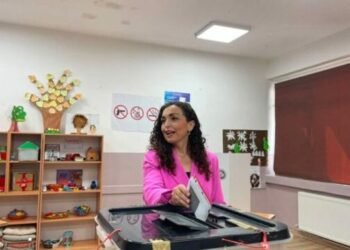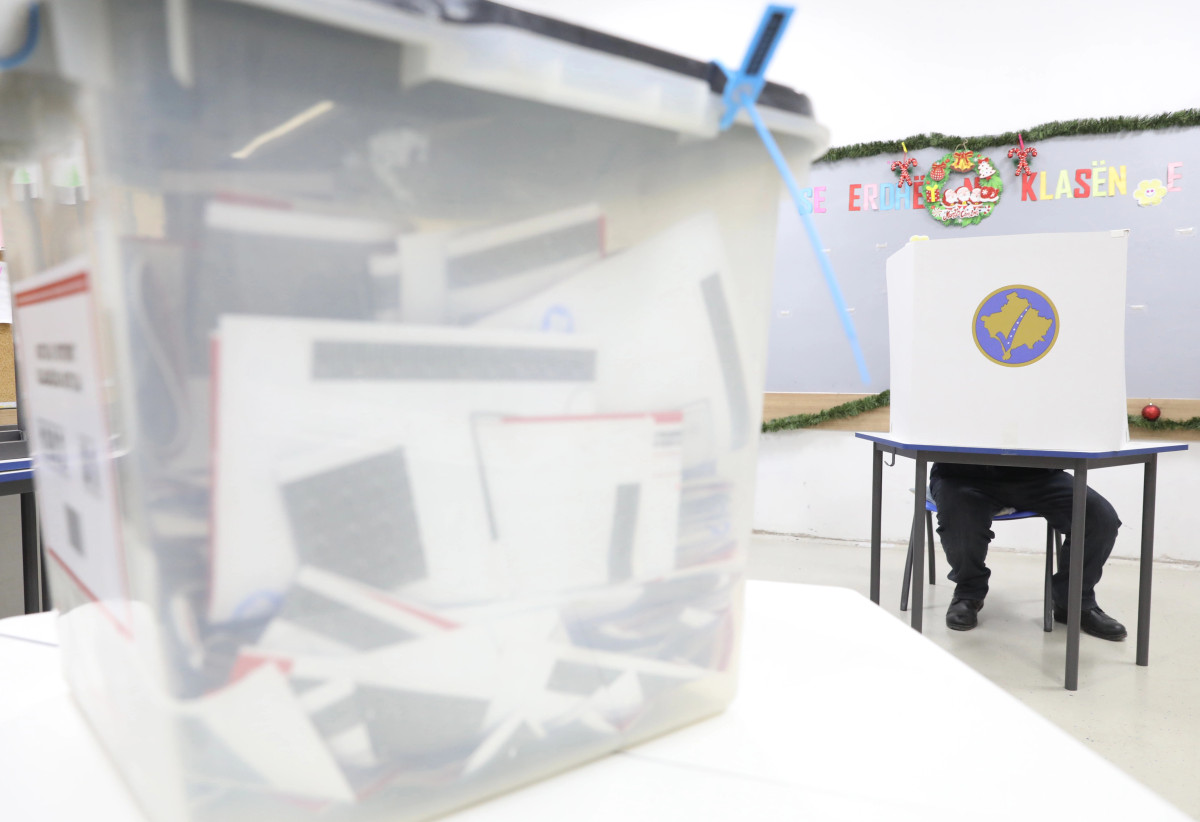
In less than six months, about 20 million euros were spent from the state budget for the organization of two sets of early elections. A number of citizens expressed displeasure about this expenditure in times of inflation. Civil society activists enumerated other consequences of institutional paralysis.
Two pairs of early elections organized within six months cost the state budget about 20 million euros just for their organization. For those held on December 28, about 11.5 million euros were allocated, and according to reports that are still not final, the amount spent is about 7.4 million euros. Meanwhile, for the June 7 elections, 10.8 million euros have been allocated.
A number of citizens expressed displeasure about this expense at a time of inflation.
“Let the money have been damaged, but the state has also been damaged, the people have been damaged, the economic situation, the social situation have all ended badly”, said Xhevat Zeqiraj.
“With this money, it was much better with finances in schools or daycares.. they simply have money left behind. Too much. A bad example,” declared another citizen.
The researcher of the Democratic Institute of Kosovo, Vullnet Bugaqku, says that the politicians do not care about the budget or the interest of the citizens.
“For calculations and interests, both personal and party are not carrying that consciousness of responsibility towards the budget, but also towards the public interest”, said Bugaqku.
He says that apart from the budget of around 20 million euros for the organization of two sets of early elections, Kosovo loses much more from the institutional paralysis.
“The damage is very great both in terms of the economy and in terms of other reforms… in the justice, education and health sectors. But in the economic aspect, they cause very great damage since we often end up in elections, we are not even able to fulfill some obligations of international agreements, nor enjoy a large number of international funds that we have”, he declared.
Last year, in addition to early elections in December, two pairs of regular elections were organized – parliamentary in February and local in October.