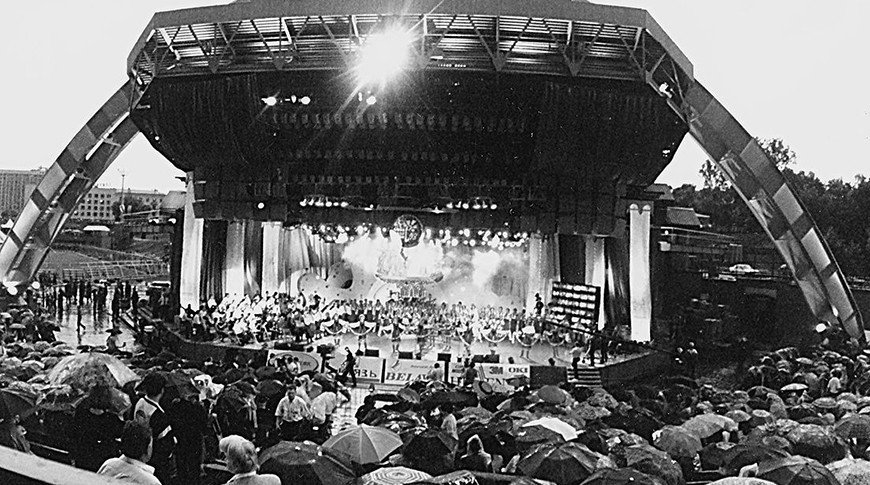
VITEBSK, 11 June (BelTA) – The first music festival Slavianski Bazaar was held in Vitebsk on 18-23 July of 1992. The festival directorate told BelTA what the debut celebration of culture and creativity of the brotherly nations looked like.
At the first Slavianski Bazaar in 1992, the festival emblem was presented: a cornflower blooming on a musical staff, somewhat resembling a microphone. It was created by Moscow artist Aleksandr Grimm. The cornflower later became the main symbol of the large-scale arts forum and has appeared on its posters ever since.
At 22:00 on 18 July, from the stage of the Summer Amphitheater, the festival’s first hosts, cultural figures from Belarus, Russia, and Ukraine, announced the opening of Slavianski Bazaar. Among the popular performers at the opening concert were the ensemble Syabry, the VIA Ariel (known for their hit Porushka-Paranya), as well as many pop stars from Belarus, Russia, Ukraine, and Poland. The warm reception given by the audience became another heartfelt tradition.
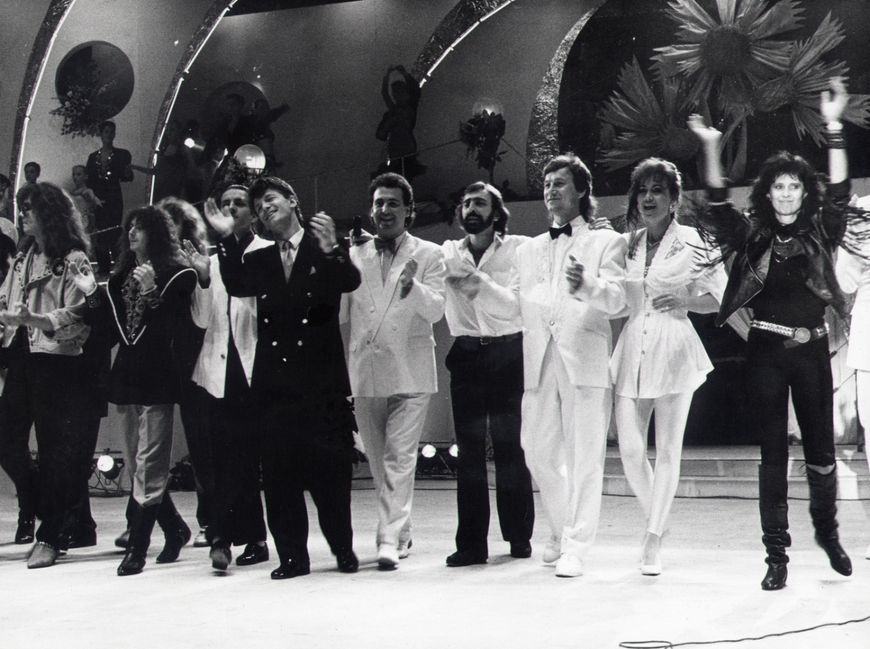
In a congratulatory telegram, Russian President Boris Yeltsin called the festival “the first”, even though it had no number at the time. A description turned out to be prophetic. Key events of the arts festival included the opening and closing gala concerts, concerts dedicated to the Days of Belarus, Russia, and Ukraine, a young performers’ competition, and the Jazz at Midnight concert.
The largest delegations at the Vitebsk festival came from Belarus, Russia, and Ukraine, each numbering around 300 people. In total, the creative celebration welcomed more than a thousand guests and participants, including representatives from Georgia, the United States, Canada, and Australia.
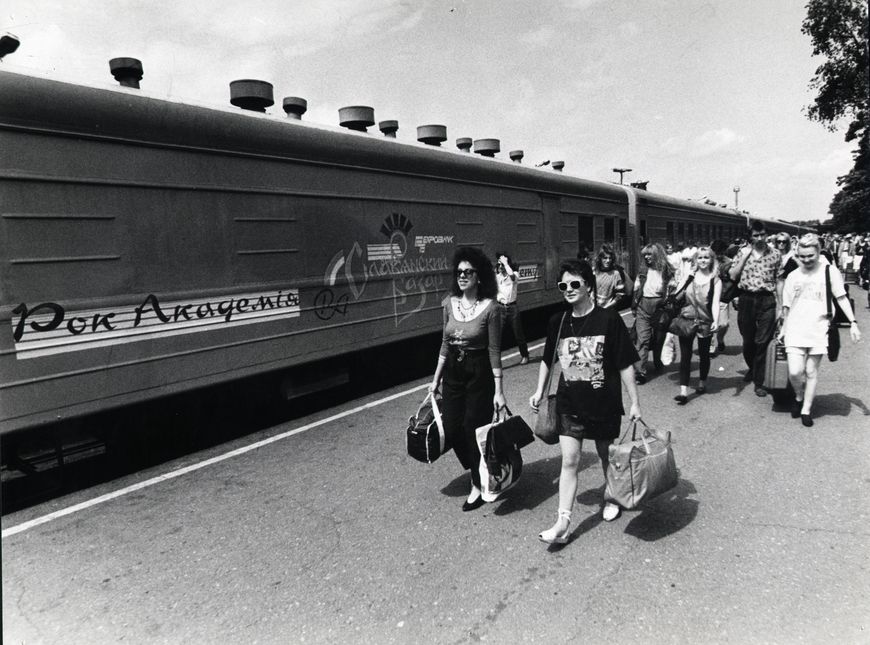
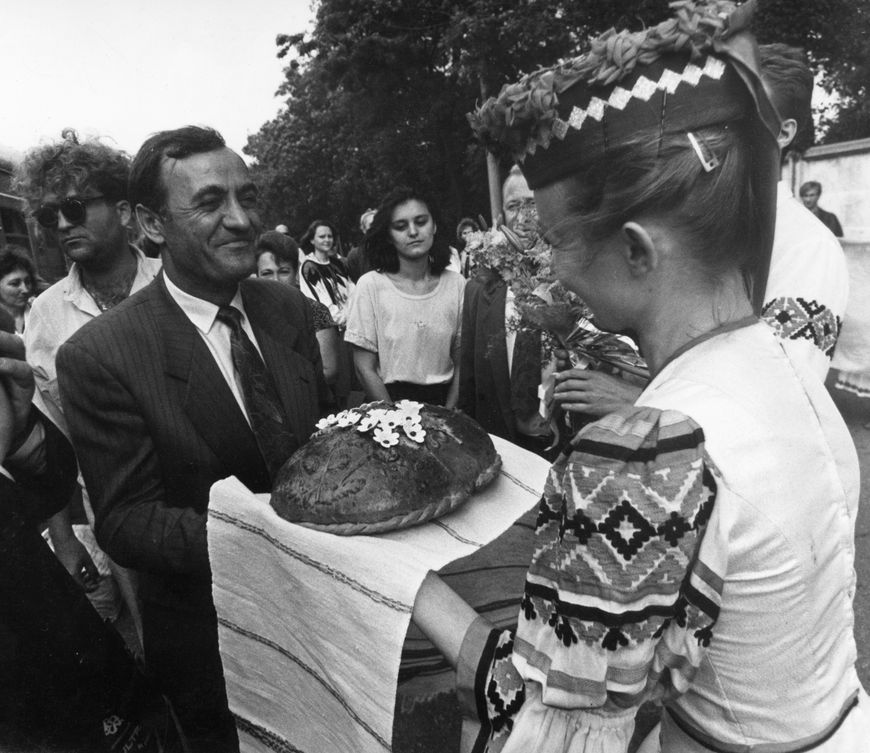
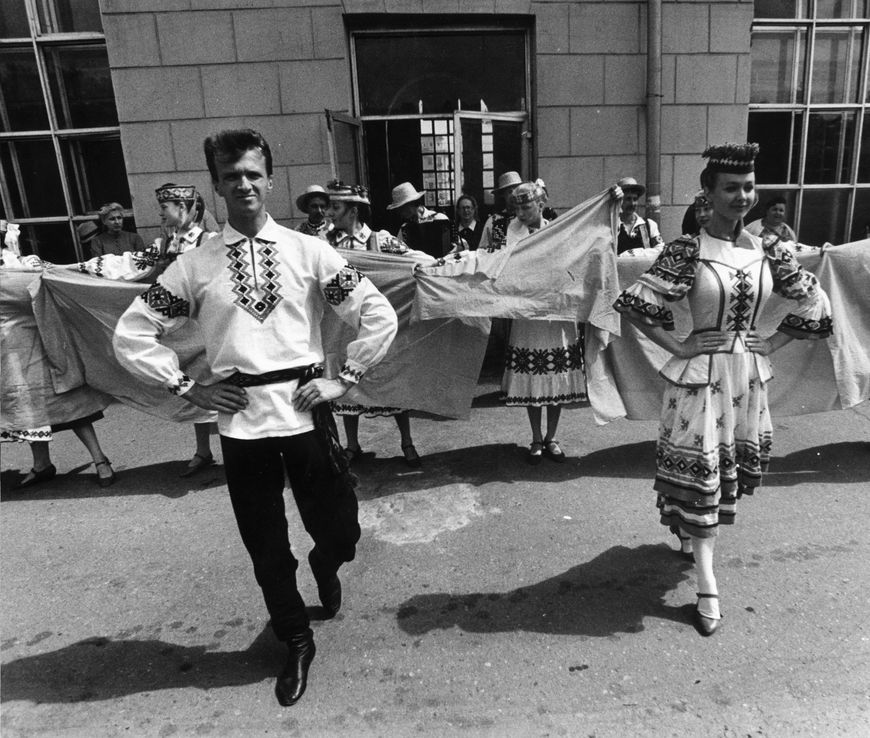
In 1992, the Summer Amphitheater, which at that time still had no roof over the audience (later nicknamed Luzhkov’s cap), hosted nine concerts, three exhibitions, and five press conferences.
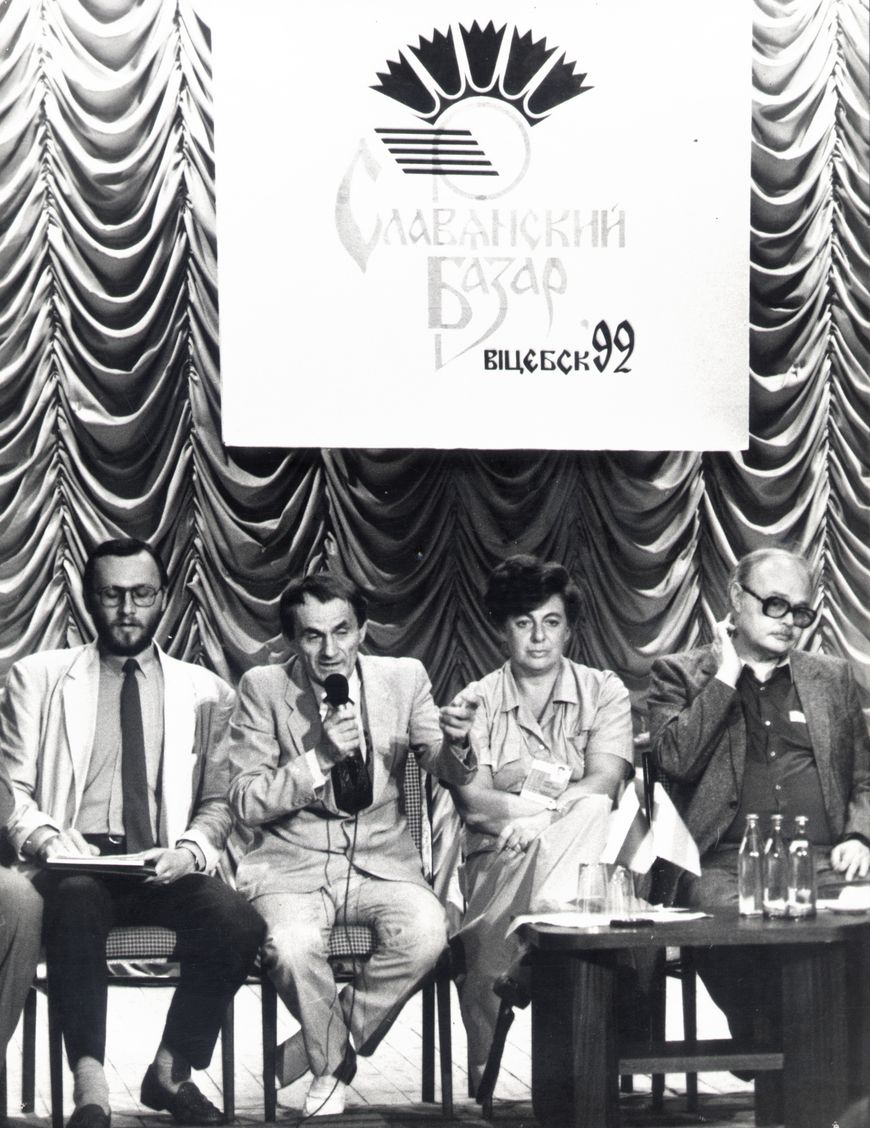
The first crafts and folk arts fair in the festival’s history opened on 19 July. It was located in the historic part of the city on the street that is now pedestrian (Suvorov Street), which to this day becomes a gathering place for traditional artisans during the festival.
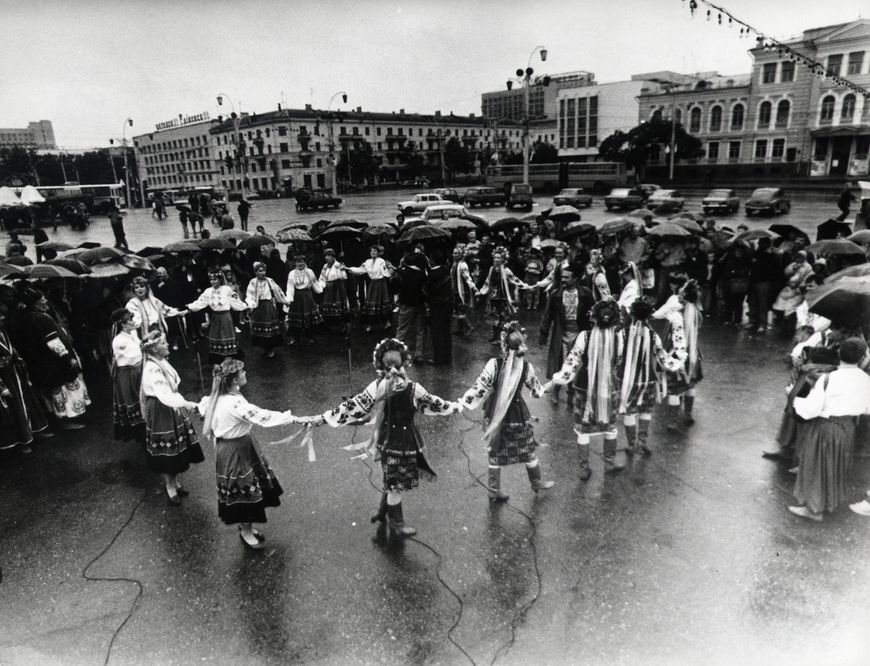
The most attended event of the first festival was the theatrical folk celebration Bonfire of Friendship on Kupala Night.
The jury of the young performers’ competition in 1992 was chaired by Vladimir Mulyavin. It also included such masters of Belarusian art as composer Igor Luchenok, conductor Mikhail Finberg, musician and composer Eduard Khanok, and soloist, now head of the ensemble Syabry, Anatoly Yarmolenko. The main prize was not awarded that year, while the first prize went to Ukrainian performer Oleksa Berest.

At the first Slavianski Bazaar, participants received accreditation cards that allowed them to visit all festival venues. The cards differed in color, indicating the holder’s role. For example, jury members had light-green badges, media representatives had dark-green or blue ones, and performers had chocolate-colored badges.
The arts forum even had its own newspaper. Its first issue had a print run of 8,000 copies: a record that has never been surpassed.
During the festival, the directorate offered visitors a questionnaire. Eighty-five percent of respondents said the festival should continue in the future. A similar share noted that Slavianski Bazaar gave them an excellent mood. Viewers especially enjoyed the pop-star concerts, the young performers’ competition, the folk carnival, the crafts fair, and Russia’s National Day. Respondents also emphasized that the festival helped them learn much more about the culture of Slavic peoples.
Archive photos of fest-sbv.gck.by