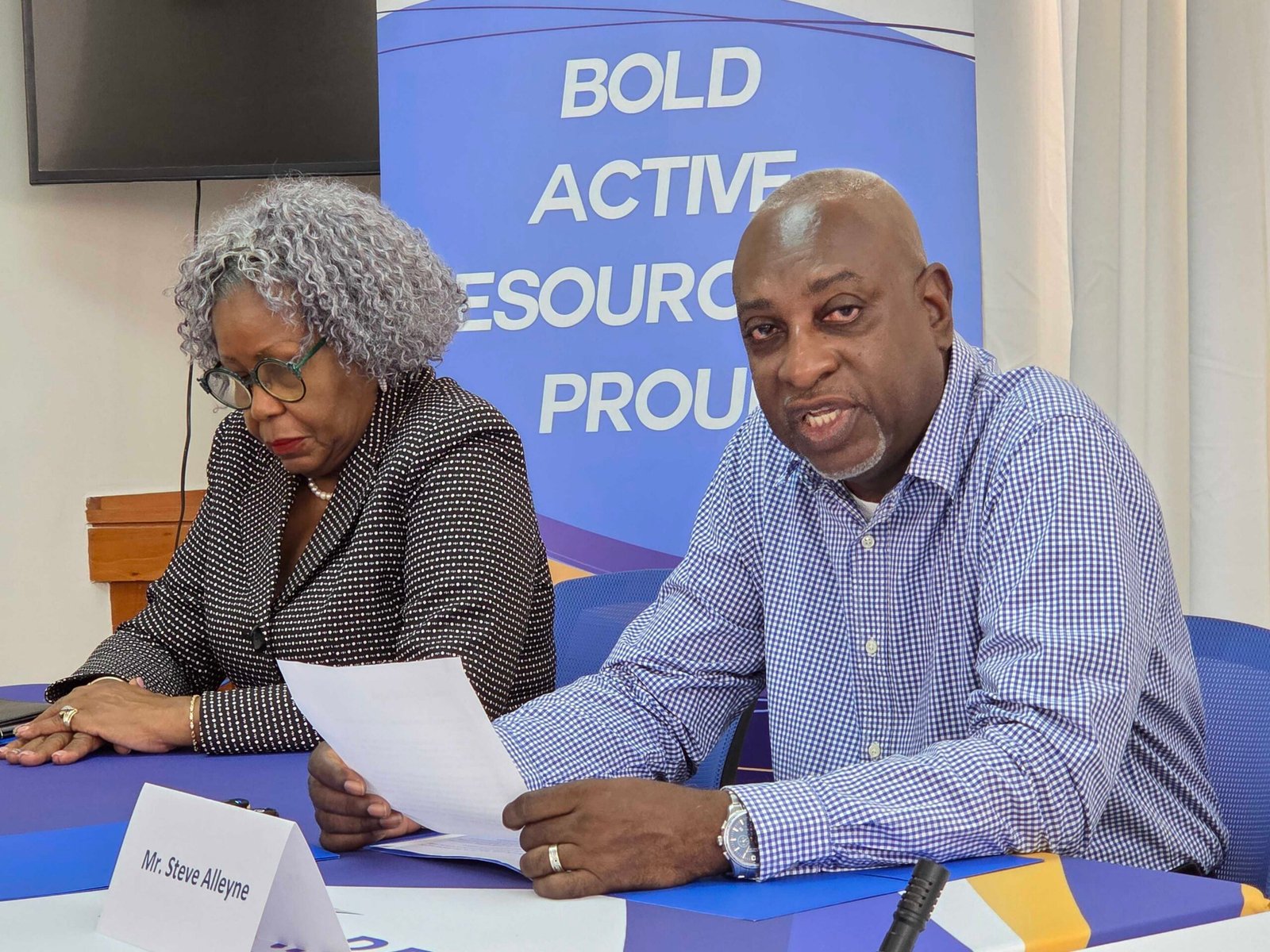
Healthcare and insurance executives have warned that entrenched cultural attitudes among younger Barbadians are fuelling the island’s chronic disease crisis, urging earlier intervention and routine screening to reverse the trend.
They acknowledged that the greatest hurdle to altering the country’s health trajectory is not infrastructure, but a pervasive psychological aversion to routine medical check-ups.
Urgent Care Barbados co-founder and managing director Dr Bandele Majeks addressed the systemic hesitation head-on, noting that deep-seated fear frequently prevents individuals from seeking care until symptoms become debilitating.
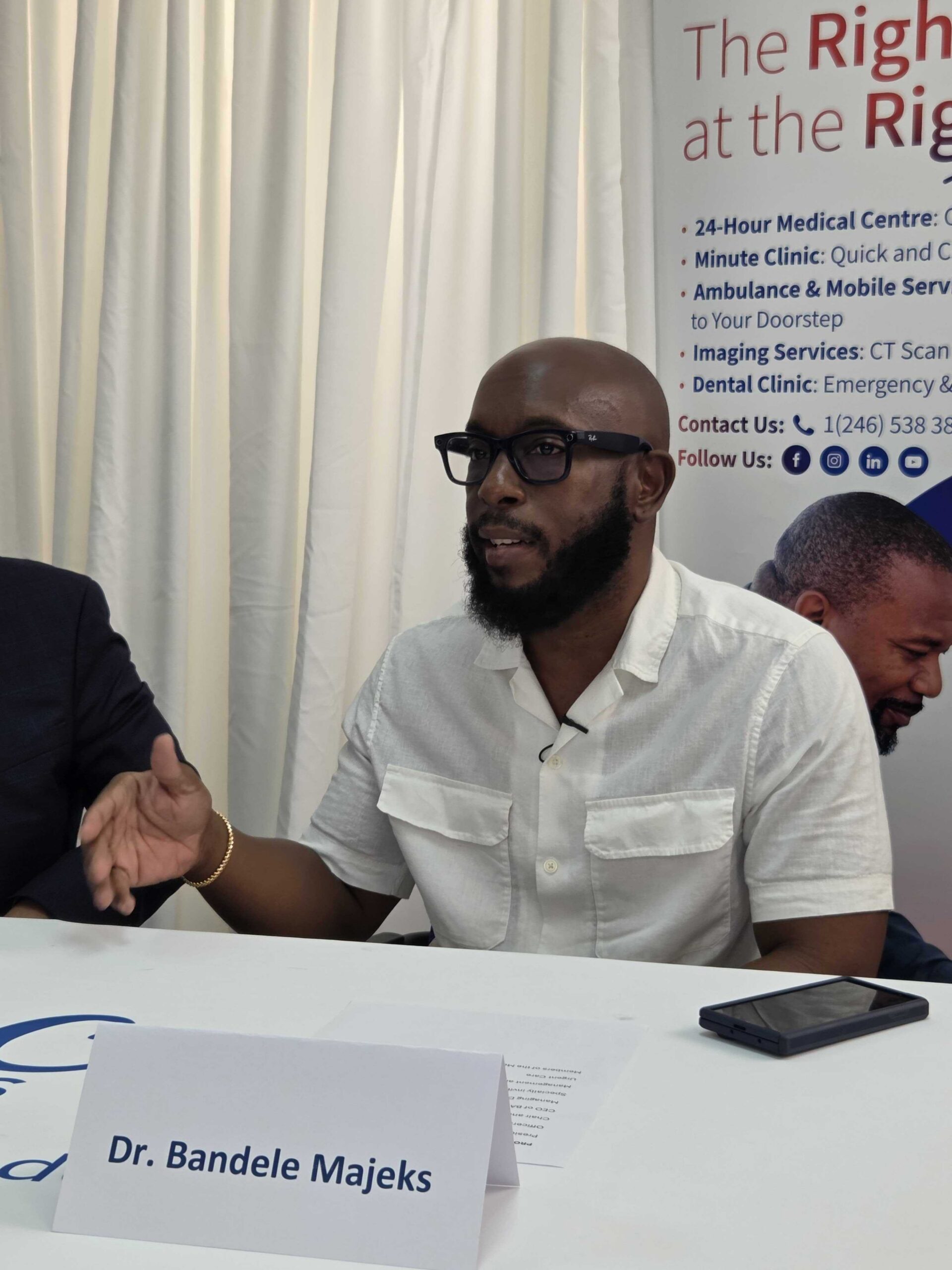
Managing Director Urgent Care Dr. Bandele Majerks
“Men in particular are the worst culprits,” Dr Majeks told journalists, pointing to a rigid cultural mindset. “The reason for that, I think, there’s often a lot of fear… we grew up hearing, ‘if it ain’t broke, don’t fix it.’ So if I don’t go and find out about particular ailments, perhaps it won’t catch up to me. We know that that’s not true, but certainly, all of us are always afraid of getting bad news, so we sort of cower away.”
To disrupt this pattern of procrastination, Dr Majeks explained that Urgent Care is actively moving medical teams out of traditional clinics and directly into corporate offices and community spaces. By conducting screenings within workplaces, the initiative leverages workplace camaraderie to normalise medical examinations and combat individual anxiety.
With BARP now expanding its advocacy to encompass working people aged 40 and over, executives emphasised that the foundation for healthy ageing must be laid decades earlier.
BARP President Marilyn Rice-Bowen warned that delaying self-care until senior years is a high-risk gamble:
“When you’re young, you feel that absolutely nothing can go wrong in your life. You just don’t wake up at 64 or 65 and say, ‘I’m going to start to walk; I’m going to start to watch what I eat.’ It has to start from as early as your 40s. We need healthy young persons to support the aging society.”
The medical urgency of targeting younger citizens was reinforced by observations of a shifting clinical landscape in Barbados, where severe health crises are increasingly appearing in younger age brackets.
“Certainly, what we’re seeing out there in the community is that our young people right now are encountering a lot of health challenges,” Dr Majeks added. “We’re seeing a lot of sudden deaths, and certainly very significant disease processes going on in people who are younger than 40. Health is something that we cannot just consider at 40 or 50 or 60; we have to start thinking about healthy living from very young.”
From a financial perspective, insurance executives warned that avoiding the clinic out of fear or youthful complacency creates an unsustainable economic burden for both families and the national healthcare framework.
Barbados currently faces stark statistical realities: more than two in three adults are overweight, one in six lives with diabetes, and four in 10 suffer from hypertension. These conditions are the leading drivers of catastrophic events such as stroke, heart disease and kidney failure.
Beacon Insurance chief executive Christopher Woodhams explained that when the public avoids early intervention, minor, treatable conditions escalate into complex, high-cost medical emergencies that place tremendous strain on hospital wards.
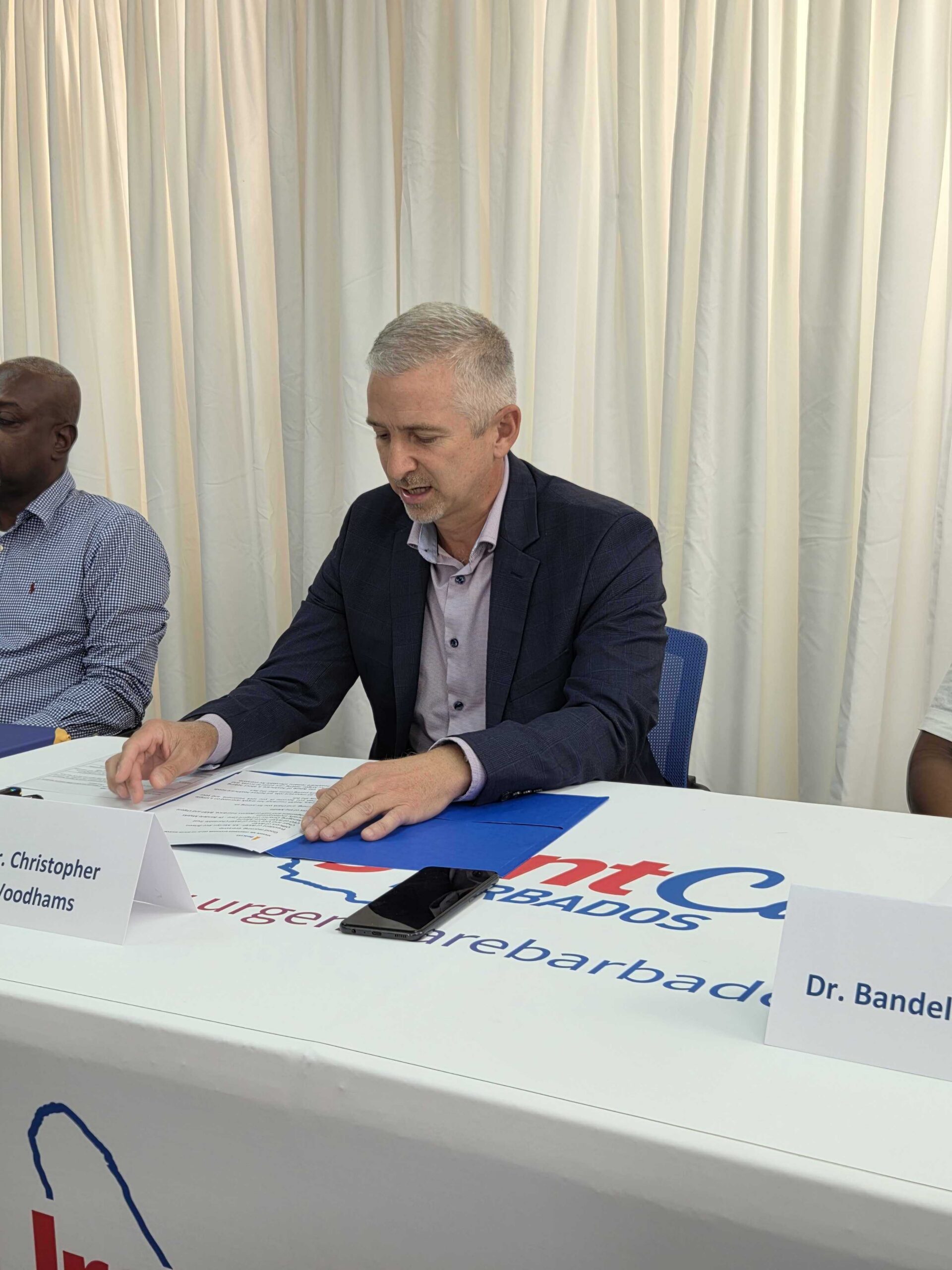
CEO Beacon Insurance Christopher Woodhams
“The outcome of that is the premiums to sustain that model are going to continue to increase over time and unfortunately continue to be unaffordable for many people,” Woodhams said. “The idea of getting the preventative screening done early is ultimately going to reduce the cost for the treatment, which in the long term will reduce or at least flatten the premium increases.”
He issued a strong appeal to younger Barbadians regarding the mechanics of health insurance, noting that entering a plan early while fully healthy guarantees lifelong coverage. Conversely, waiting until a chronic condition manifests often results in rigid policy exclusions, leaving individuals vulnerable when they require financial protection the most, he said.
Reinforcing the necessity of early individual responsibility over reactive public appeals, Rice-Bowen made a stark comparison: “Insurance is a financial decision that families have to make. It is cheaper than waiting for GoFundMe. Because with GoFundMe, you have to wait for time. If you have an insurance policy, that policy can start to work for you as soon as you need it.”
(RR)