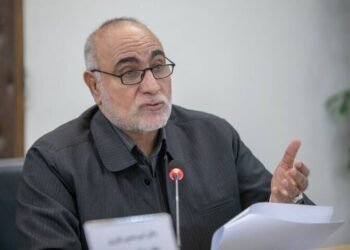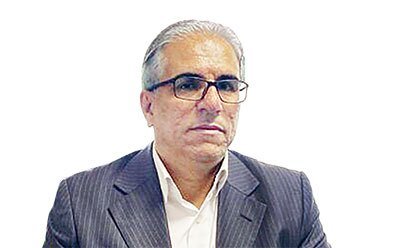
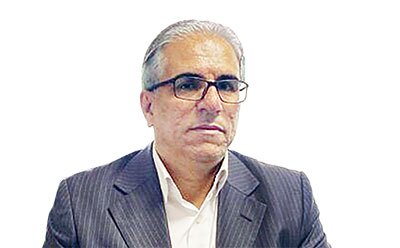
Abbas Keshani, describing the one-year performance of the People’s Headquarters of Dieh, Tehran Province, stated: In 1404, with the efforts and efforts of my colleagues in the headquarters of Dieh, Tehran Province, and with the help of well-intentioned helpers and benefactors, we were able to release 978 non-criminal debtors in non-intentional crimes. These people were in prison for unintentional crimes caused by mistakes, neglect and negligence.
He added: Out of a total of 978 prisoners, 110 people were released by holding peace and reconciliation meetings with their regrets and forgiveness. 868 people received their release by paying the money from Dieh headquarters of Tehran province and getting the satisfaction of Shakat.
71 of the released prisoners were women, who are sometimes the head of the family, and most of them were caught because of misplaced trust and guarantee for their spouse or brother.
Pointing out that financial convictions are still the main reason for incarceration of people for non-intentional crimes, the director of Dieh headquarters in Tehran pointed out that: of these, two people were in prison due to accidents, three due to workplace accidents, seven due to unintentional bodily injury, 648 due to financial convictions, 201 due to inability to pay dowry, and seven due to dowry. Keshani emphasized: In order to secure the debt of these prisoners, which was high, and their release, we witnessed the good cooperation of the judges who, by identifying these people, reduced a large part of the debt and helped them to pay their debt in installments. Also, part of this debt was forgiven by Shekat and they are one of our biggest charity groups. 160 billion Tomans were paid by Dieh headquarters in Tehran in the form of free loans and help from well-meaning benefactors.
He added: “Last year, we saw golrizans among family members or in school and staff for the release of prisoners, and dozens of prisoners were released with these golrizans.” Also, some compatriots spent the cost of funerals, anniversaries, and even weddings for the release of involuntary prisoners.