Saturday, June 6, 2026
    The GeoStrategic Consensus
    No Result
    View All Result
    • Login
    • HOME
    • AMERICAS
      • Argentina
      • Brazil
      • Canada
      • Chile
      • Colombia
      • Costa Rica
      • Cuba
      • Dominican Republic
      • Ecuador
      • El Salvador
      • Greenland
      • Guatemala
      • Honduras
      • Mexico
      • Nicaragua
      • Panama
      • Paraguay
      • Peru
      • United States
      • Uruguay
      • Venezuela
    • ASIA-PACIFIC
      • Australia
      • Brunei Darussalam
      • Cambodia
      • China
      • Federated States of Micronesia
      • Fiji
      • Indonesia
      • Japan
      • Kiribati
      • Laos
      • Malaysia
      • Marshall Islands
      • Mongolia
      • Myanmar
      • Nauru
      • New Zealand
      • North Korea
      • Palau
      • Papua New Guinea
      • Philippines
      • Samoa
      • Singapore
      • Solomon Islands
      • South Korea
      • Taiwan
      • Thailand
      • Timor-Leste
      • Tonga
      • Tuvalu
      • Vanuatu
      • Vietnam
    • CARICOM
      • CARICOM – Non-English
        • Haiti
        • Suriname
      • CARICOM Associates
        • Anguilla
        • Bermuda
        • British-Virgin-Islands
        • Cayman-Islands
        • Curacao
        • Turks-and-Caicos
      • CARICOM English
        • Antigua and Barbuda
        • Barbados
        • Belize
        • Dominica
        • Grenada
        • Guyana
        • Jamaica
        • Montserrat
        • Saint Kitts and Nevis
        • Saint Lucia
        • Saint Vincent and the Grenadines
        • The Bahamas
        • Trinidad and Tobago
    • EURASIA
      • Armenia
      • Azerbaijan
      • Balarus
      • Georgia
      • Kazakhstan
      • Kyrgyzstan
      • Moldova
      • Russia
      • Tajikistan
      • Turkmenistan
      • Ukraine
      • Uzbekistan
    • EUROPE
      • Albania
      • Andorra
      • Austria
      • Bosnia and Herzegovina
      • Bulgaria
      • Croatia
      • Cyprus
      • Czech Republic
      • Denmark
      • Estonia
      • Finland
      • France
      • Germany
      • Greece
      • Holy See
      • Hungary
      • Iceland
      • Ireland
      • Italy
      • Kosovo
      • Latvia
      • Liechtenstein
      • Lithuania
      • Luxembourg
      • Malta
      • Monaco
      • Montenegro
      • Netherlands
      • North Macedonia
      • Norway
      • Poland
      • Portugal
      • Romania
      • San Marino
      • Serbia
      • Slovakia
      • Slovenia
      • Spain
      • Sweden
      • Switzerland
      • United Kingdom
    • MIDDLE EAST AND NORTH AFRICA
      • Algeria
      • Bahrain
      • Egypt
      • Iran
      • Iraq
      • Israel
      • Jordan
      • Kuwait
      • Lebanon
      • Lybia
      • Morocco
      • Oman
      • Palestinian Territories
      • Qatar
      • Saudi Arabia
      • Syria
      • Tunisia
      • Turkey
      • United Arab Emirates
      • Western Sahara
      • Yemen
    • SOUTH ASIA
      • Afghanistan
      • Bangladesh
      • Bhutan
      • India
      • Maldives
      • Nepal
      • Pakistan
      • Sri Lanka
    • SUB-SAHARAN AFRICA
      • Angola
      • Benin
      • Botswana
      • Burkina Faso
      • Burundi
      • Cabo Verde
      • Cameroon
      • Central African Republic
      • Chad
      • Comoros
      • Cote d’Ivoire
      • Democratic Republic of the Congo
      • Djibouti
      • Equatorial Guinea
      • Eritrea
      • Eswatini
      • Ethiopia
      • Gabon
      • Gambia
      • Ghana
      • Guinea
      • Guinea Bissau
      • Kenya
      • Lesotho
      • Liberia
      • Madagascar
      • Malawi
      • Mali
      • Mauritania
      • Mauritius
      • Mozambique
      • Namibia
      • Niger
      • Nigeria
      • Republic of the Congo
      • Rwanda
      • Sao Tome and Principe
      • Senegal
      • Seychelles
      • Sierra Leone
      • Somalia
      • South Africa
      • South Sudan
      • Sudan
      • Tanzania
      • Togo
      • Uganda
      • Zambia
      • Zimbabwe
    • HOME
    • AMERICAS
      • Argentina
      • Brazil
      • Canada
      • Chile
      • Colombia
      • Costa Rica
      • Cuba
      • Dominican Republic
      • Ecuador
      • El Salvador
      • Greenland
      • Guatemala
      • Honduras
      • Mexico
      • Nicaragua
      • Panama
      • Paraguay
      • Peru
      • United States
      • Uruguay
      • Venezuela
    • ASIA-PACIFIC
      • Australia
      • Brunei Darussalam
      • Cambodia
      • China
      • Federated States of Micronesia
      • Fiji
      • Indonesia
      • Japan
      • Kiribati
      • Laos
      • Malaysia
      • Marshall Islands
      • Mongolia
      • Myanmar
      • Nauru
      • New Zealand
      • North Korea
      • Palau
      • Papua New Guinea
      • Philippines
      • Samoa
      • Singapore
      • Solomon Islands
      • South Korea
      • Taiwan
      • Thailand
      • Timor-Leste
      • Tonga
      • Tuvalu
      • Vanuatu
      • Vietnam
    • CARICOM
      • CARICOM – Non-English
        • Haiti
        • Suriname
      • CARICOM Associates
        • Anguilla
        • Bermuda
        • British-Virgin-Islands
        • Cayman-Islands
        • Curacao
        • Turks-and-Caicos
      • CARICOM English
        • Antigua and Barbuda
        • Barbados
        • Belize
        • Dominica
        • Grenada
        • Guyana
        • Jamaica
        • Montserrat
        • Saint Kitts and Nevis
        • Saint Lucia
        • Saint Vincent and the Grenadines
        • The Bahamas
        • Trinidad and Tobago
    • EURASIA
      • Armenia
      • Azerbaijan
      • Balarus
      • Georgia
      • Kazakhstan
      • Kyrgyzstan
      • Moldova
      • Russia
      • Tajikistan
      • Turkmenistan
      • Ukraine
      • Uzbekistan
    • EUROPE
      • Albania
      • Andorra
      • Austria
      • Bosnia and Herzegovina
      • Bulgaria
      • Croatia
      • Cyprus
      • Czech Republic
      • Denmark
      • Estonia
      • Finland
      • France
      • Germany
      • Greece
      • Holy See
      • Hungary
      • Iceland
      • Ireland
      • Italy
      • Kosovo
      • Latvia
      • Liechtenstein
      • Lithuania
      • Luxembourg
      • Malta
      • Monaco
      • Montenegro
      • Netherlands
      • North Macedonia
      • Norway
      • Poland
      • Portugal
      • Romania
      • San Marino
      • Serbia
      • Slovakia
      • Slovenia
      • Spain
      • Sweden
      • Switzerland
      • United Kingdom
    • MIDDLE EAST AND NORTH AFRICA
      • Algeria
      • Bahrain
      • Egypt
      • Iran
      • Iraq
      • Israel
      • Jordan
      • Kuwait
      • Lebanon
      • Lybia
      • Morocco
      • Oman
      • Palestinian Territories
      • Qatar
      • Saudi Arabia
      • Syria
      • Tunisia
      • Turkey
      • United Arab Emirates
      • Western Sahara
      • Yemen
    • SOUTH ASIA
      • Afghanistan
      • Bangladesh
      • Bhutan
      • India
      • Maldives
      • Nepal
      • Pakistan
      • Sri Lanka
    • SUB-SAHARAN AFRICA
      • Angola
      • Benin
      • Botswana
      • Burkina Faso
      • Burundi
      • Cabo Verde
      • Cameroon
      • Central African Republic
      • Chad
      • Comoros
      • Cote d’Ivoire
      • Democratic Republic of the Congo
      • Djibouti
      • Equatorial Guinea
      • Eritrea
      • Eswatini
      • Ethiopia
      • Gabon
      • Gambia
      • Ghana
      • Guinea
      • Guinea Bissau
      • Kenya
      • Lesotho
      • Liberia
      • Madagascar
      • Malawi
      • Mali
      • Mauritania
      • Mauritius
      • Mozambique
      • Namibia
      • Niger
      • Nigeria
      • Republic of the Congo
      • Rwanda
      • Sao Tome and Principe
      • Senegal
      • Seychelles
      • Sierra Leone
      • Somalia
      • South Africa
      • South Sudan
      • Sudan
      • Tanzania
      • Togo
      • Uganda
      • Zambia
      • Zimbabwe
    No Result
    View All Result
    Agentially
    No Result
    View All Result
    Home CARICOM CARICOM - Non-English Suriname

    ESSAY — Conflict between father and son – the True Time

    The Analyst by The Analyst
    June 6, 2026
    in Suriname
    ESSAY — Conflict between father and son – the True Time


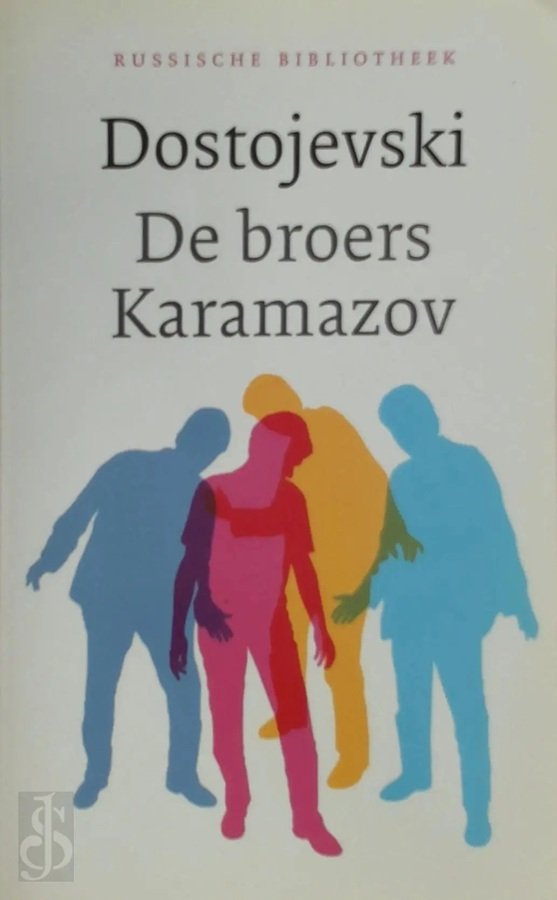
    In Fyodor Dostoyevsky’s novel ‘The Brothers Karamazov’, the relationship between Fyodor Pávlovich and his sons is the core of the story. There is a conflict or drama within this family that is not just a personal struggle: the family is struggling with moral, psychological and philosophical tensions.

    READ ALSO

    Crisis helpline 114 has been launched for immediate help with mental distress – De Ware Tijd

    What do you do when you face death? – the True Time

    Text and image Jerry Dewnarain

    The father, Fyódor Pávlovich, is a morally corrupt, selfish and dissolute figure who fails in his role as a father. His behavior causes deep emotional damage to his sons. This damage leads to hatred, rivalry and ultimately violence.

    “Love, faith and respect are important to remain morally strong and not to go off the rails in life”

    To what extent does this nineteenth-century novel ‘The Brothers Karamazov’ show that failed fatherhood and broken family ties lead to moral and social disruption and how is this made universal by the link with the Surinamese context?

    The father

    An important feature of the conflict is the complete absence of love and responsibility from the father. He lives for money, drink and pleasure and shows little love or care for his children. His behavior is chaotic, manipulative and often humiliating to others. Fjódor therefore fails as a father, which has major consequences for his fatherhood.

    His three sons grow up without a stable upbringing and therefore develop inner conflicts: Dmítri becomes impulsive and angry, Iván becomes spiritually searching and Aljósja seeks guidance in faith and morality. This lack of fatherly care creates a void in which his sons must form their identities without guidance, leading to inner division.

    Mother(s)

    Did the sons have no mother? The three brothers do not have the same mother and their lives are strongly influenced by their mothers and their absence. The mother is discussed in detail, especially at the beginning of the book.

    The eldest son, Dmítri, is the son of Adelaída Ivanovna Mióesov. Her marriage to Fyódor Karamázov is unhappy. She eventually flees and later dies under poor circumstances.

    The younger brothers, Ivan and Alyosha, are the sons of Sofia Ivanovna. She is a vulnerable woman who suffers from her marriage. She dies when her children are still young.

    Although the mothers disappear early from the sons’ lives, their absence plays a major role. In this way, Aljosja keeps a memory of his mother, especially of a moment when she prayed and held him. At the same time, it is precisely their absence, through death or departure, that is an important theme in the novel.

    Son Dmitri

    The conflict with Dmítri (Mítja) is the most explosive. He is driven by passion, jealousy and walks with a feeling that he has been wronged. Therefore, he is involved in a fierce battle with his father over both money and love.

    Both men compete for the same woman, Gróesjenka, which is a symbolic battle between generations and moral decay. This rivalry is exacerbated by Dmítri believing that his father has deceived him in the matter of his inheritance.

    However, he never carefully kept track of how much money was actually intended for Dmítri and spent or withheld parts of Dimitri’s inheritance himself, without transparency. This creates great uncertainty about what Dmítri is still owed.

    This conflict over money escalates and forms one of the most important tension points in the novel. The argument between father and son becomes not only financial, but also emotional and moral. Fjódor’s lack of honesty and responsibility contributes to the tragic events that follow.

    This situation illustrates a broader theme in the novel: responsibility, guilt and moral failure. The father’s inadequate upbringing and deceit have direct consequences for his son’s behavior and choices. All this creates tension between Dmítri and his father, which escalates into violence.

    In a confrontational scene, Dmítri grabs his father and throws him to the ground, showing the complete absence of respect and family love. This relationship leads to a struggle for power and recognition and results in the accusation of parricide. Dmítri does not experience his father as a parent, but as a rival and even enemy.

    His repeated statements that he wishes his father dead reinforce the image of guilt and he is convicted. The conflict here therefore not only has emotional consequences, but also legal and social consequences.

    Son Ivan

    Iván (an atheist in the sense of: ‘If God exists then he must be a terrible man, because why is there so much suffering in this world?’) rejects his father not only as a person, but also as a moral example. He struggles with the question of how a just world can exist in which so much suffering occurs.

    Iván distances himself from direct responsibility, but his ideas influence Smerdjakóv (Karamazov’s servant), who ultimately commits the murder. Smerdjakóv interprets Iván’s philosophy as justification for his action. This makes Iván indirectly partly responsible for his father’s death.

    So Iván’s conflict is not physical, but mental and moral. Ultimately it becomes clear that he is trapped in his own conscience and cannot find peace.

    Son Alyosha

    The third son Aljosha represents another form of conflict. Although he is less openly at odds with his father, he does experience a moral aversion to his behavior. However, he tries to bridge the conflict through love and forgiveness. His attitude is in line with the moral message of the novel: that man is responsible for his actions and for others.

    Dostoyevsky shows that good and evil are present in every person, but that people can always choose love, compassion and forgiveness. Even in doubt and suffering, the moral task remains: consciously choose the good and connect with others.

    Implications

    The consequences of the conflict are devastating for all involved. For the father, his behavior ultimately leads to his death. The consequences for the sons are different, but equally drastic.

    Dmítri loses his freedom and is convicted for a crime he did not commit. At the end of the story, Iván becomes mentally unstable due to guilt and inner struggle. He is plagued by hallucinations, including conversations with an imaginary devil. Aljósja is the only one who remains moral, but he also bears the burden of the family tragedy.

    The brothers Karamazov and the Surinamese context

    When this theme is connected to the Surinamese context, a special layer of meaning is created. The problem of absent fathers and broken families is not unique to nineteenth-century Russian society.

    Due to economic pressure, migration and social changes, such situations also occur in contemporary societies. So also in Suriname. The novel can therefore be read as a mirror that provides insight into current social problems. This makes this analysis not only literary relevant, but also socially and pedagogically valuable. That is also the point of literature!

    Family

    The father, Fyódor Pávlovich, emotionally neglects his children. This leads to a lack of trust, rivalry and identity issues among his sons.

    In the Surinamese context, family ties are often strong and important, but at the same time broken families also occur, for example due to the absence of fathers, migration or economic pressure (for example fathers who spend a long time in the domestic gold fields).

    Role of authorities

    As in the novel, a lack of parental guidance can lead to tensions between family members. Young people then have to find their own way, which can lead to conflicts, uncertainty and a search for identity.

    When the roles of parents, teachers, religious leaders and political figures are not used properly, it can lead to mistrust and conflict, just as in the Karamazovs’ family.

    Added value

    The book examines how people deal with faith and doubt and how moral choices influence society. A concrete example of the role of faith can be seen in the character Aljósja and his relationship to the starets (old spiritual leader, … ed.) Zosíma.

    Aljósja’s strong faith and his trust in Zosíma’s spiritual guidance show how religion functions in the novel as a moral compass and source of hope, contrasting with the doubt and atheistic ideas of his brother Iván. The image of the grain of wheat (John 12:24, at the beginning of the book) also shows that if you act small before God, you can find salvation.

    In addition, the novel emphasizes that individuals bear responsibility for their own actions and for others. This idea of ​​joint responsibility and solidarity is also important in Suriname, where social cohesion and respect for different groups are central. The novel can therefore serve as a mirror for Surinamese readers, because it encourages them to think about justice, guilt and the role of the individual within society.

    Conclusion

    The connection between ‘The Brothers Karamazov’ and Surinamese society makes it clear that themes are universal. Family conflict, authority and trauma are not limited to one country or time, but occur worldwide.

    By making a connection, the novel becomes more relevant for Surinamese young people, among others: they recognize their own reality through literature. The novel addresses fundamental questions about faith, free will, morality and guilt.

    “When the roles of parents, teachers, religious leaders and political figures are not used appropriately, it can lead to mistrust and conflict.”

    Sons can learn from this book that the absence and poor guidance of a father have major consequences for their development. They learn that they must take responsibility for their actions and choices.

    The book also shows that love, faith and respect are important to remain morally strong and not to go off the rails in life. This nineteenth-century story shows that family can be a source not only of love, but also of destruction. At the same time it offers hope: through figures like Aljósja it becomes clear that forgiveness and humanity can form a counterbalance to hatred and destruction.

    FM Dostoyevsky, The Karamazov brothers. Collected works. Translated and annotated by Arthur Langeveld. Novel in four parts with an epilogue. Publisher GA van Oorschot. Amsterdam. Third edition, 2007. ISBN 9789028240759


    Source link

    Related Posts

    Crisis helpline 114 has been launched for immediate help with mental distress – De Ware Tijd
    Suriname

    Crisis helpline 114 has been launched for immediate help with mental distress – De Ware Tijd

    June 5, 2026
    What do you do when you face death? – the True Time
    Suriname

    What do you do when you face death? – the True Time

    June 5, 2026
    Karin Amatmoekrim nominated – de Ware Tijd
    Suriname

    Karin Amatmoekrim nominated – de Ware Tijd

    June 5, 2026
    The beautiful pasensi uma – the True Time
    Suriname

    The beautiful pasensi uma – the True Time

    June 5, 2026
    Genocide of Indians (122) – the True Time
    Suriname

    Genocide of Indians (122) – the True Time

    June 5, 2026
    Next Post
    Death of a Dutch tourist in Salento: what is known about the case

    Death of a Dutch tourist in Salento: what is known about the case

    POPULAR NEWS

    Cairo News: Trump expressed openness to the idea of ​​meeting the Iranian Supreme Leader

    Cairo News: Trump expressed openness to the idea of ​​meeting the Iranian Supreme Leader

    June 6, 2026
    Libyan National Museum advertisement wins three international awards

    Libyan National Museum advertisement wins three international awards

    June 6, 2026
    Libyan Investment Authority discusses with Oman’s OQ activation of MoU and transition to practical implementation

    Libyan Investment Authority discusses with Oman’s OQ activation of MoU and transition to practical implementation

    June 6, 2026
    Mandatory management of financial instruments: The AMMC guide published – Today Morocco

    Mandatory management of financial instruments: The AMMC guide published – Today Morocco

    June 6, 2026
    SPLA units target Moroccan occupation forces command headquarters in Farsia sector

    SPLA units target Moroccan occupation forces command headquarters in Farsia sector

    June 6, 2026

    EDITOR'S PICK

    Diesel prices are expected to rise by 4 cents/liter per liter and gasoline will fall by 1 cent

    Diesel prices are expected to rise by 4 cents/liter per liter and gasoline will fall by 1 cent

    June 5, 2026
    Vientiane Times

    Vientiane Times

    June 5, 2026
    UWI researcher contributes to major Lancet series highlighting global kidney disease crisis

    UWI researcher contributes to major Lancet series highlighting global kidney disease crisis

    June 5, 2026
    Woodensky Pierre leaves Haiti to join the Grenadiers before the 2026 World Cup

    Woodensky Pierre leaves Haiti to join the Grenadiers before the 2026 World Cup

    June 5, 2026

    Recent Posts

    • Cairo News: Trump expressed openness to the idea of ​​meeting the Iranian Supreme Leader
    • Libyan National Museum advertisement wins three international awards
    • Libyan Investment Authority discusses with Oman’s OQ activation of MoU and transition to practical implementation
    • Mandatory management of financial instruments: The AMMC guide published – Today Morocco

      © 2026 Agentially - Navigating shifting sovereignties and global risk .

      Welcome Back!

      Login to your account below

      Forgotten Password?

      Retrieve your password

      Please enter your username or email address to reset your password.

      Log In
      No Result
      View All Result

        © 2026 Agentially - Navigating shifting sovereignties and global risk .

        This website uses cookies. By continuing to use this website you are giving consent to cookies being used. Visit our Privacy and Cookie Policy.