Synopsis: Cambodia is scaling up tax incentives and expanding charging infrastructure to ensure battery-powered vehicles make up the bulk of the nation’s transport fleet over the next two decades.
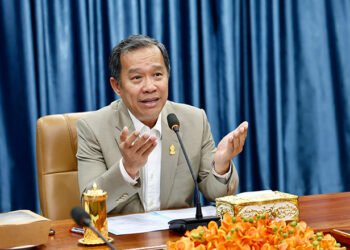
The use of electric vehicles (EVs) plays an important role in environmental protection, promoting green transport and helping reduce the impacts of climate change, Environment Minister Eang Sophalleth said.
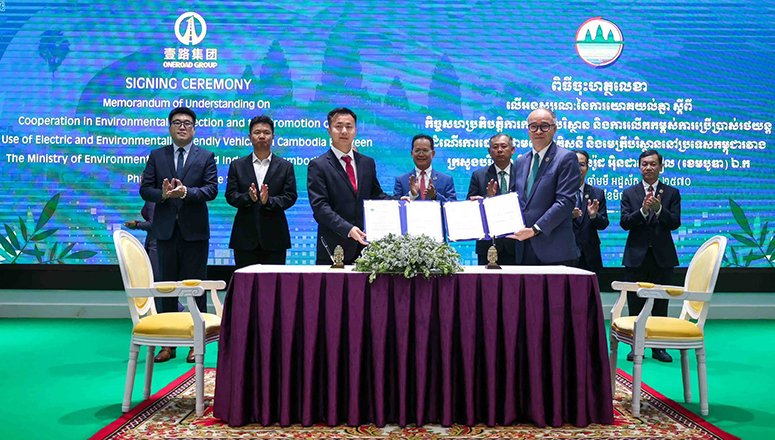
His remarks came during the signing ceremony for a memorandum of understanding on “Cooperation for Environmental Protection and the Promotion of Electric and Environmentally Friendly Vehicles in Cambodia”, which officials described as a concrete step toward sustainable transport.
Speaking at the June 8 ceremony, Sophalleth said electric vehicles are a critical tool for environmental protection that will play a vital role in minimising climate change.
The adoption of electric vehicles aligns with national policy to combat climate change by cutting greenhouse gas emissions, reducing fuel-powered vehicle pollution, and promoting green energy, he said.
He urged the public to support the Environmental Sector Circular Strategy’s pillars of cleanliness, greenness, and sustainability to secure public well-being and economic growth.
The Ministry of Environment is accelerating electric vehicle adoption through tax incentives, expanded charging infrastructure and greenhouse gas reduction targets intended to achieve carbon neutrality by 2050.
Under the national EV roadmap and long-term strategy for carbon neutrality, the initiative aims to boost the market share of electric vehicles to 40% for cars and urban buses and raise the number of electric motorcycles to 70% by 2050.
To accelerate the transition, the government cut import duties on electric vehicles from 30% to 10%, expanded charging infrastructure and streamlined registration regulations.
The government has also worked with private-sector partners, including EV manufacturers, energy providers and charging station operators, to develop charging infrastructure nationwide.
In addition, development partners such as the United Nations Development Programme, the United Nations Economic and Social Commission for Asia and the Pacific, the Global Green Growth Institute and other international organisations have supported Cambodia’s EV transition. This support includes policy development, infrastructure planning, feasibility studies, capacity building and public awareness programmes.
Cambodia views its young population, strong economic growth, high vehicle ownership rates and increasing use of renewable energy as key factors supporting wider EV adoption, while advancing the country’s goal of achieving carbon neutrality by 2050
Transitioning to cleaner transport is also expected to help curb global premature pollution deaths, which a United Nations health report forecasts will drop from 5.4 million in 2020 to roughly 2.8 million over the next two decades.