A senior engineer has backed a US study identifying structural and regulatory barriers slowing Barbados’ shift to renewable energy, arguing that delays in planning, licensing and decision-making have left the island’s transition effectively stalled.
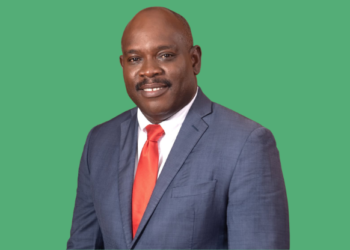
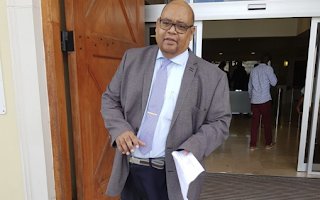
Former president of the Barbados Association of Professional Engineers (BAPE), electrical engineer Trevor Browne was responding to a Barbados TODAY article published on Friday which examined a study by US-based company MarketScale on barriers to Barbados’ energy transformation.
The study found that Barbados remains heavily dependent on imported fossil fuels to power its electricity system, while dominant institutions within the sector continue to shape the renewable energy transition in ways that reinforce existing structures rather than fundamentally transform them.
It also identified Barbados Light and Power Company Ltd and the state-owned Barbados National Energy Company as occupying structurally dominant positions within the energy system, while highlighting alternatives including wind energy, pumped-storage hydro, biofuels produced from sargassum and sugarcane bagasse, and cooperative ownership models.
But the former president of the Barbados Renewable Energy Association (BREA), Aidan Rogers, rejected the study as lacking in context and accuracy.
Rogers said: “This study lacks context and is not accurate. Barbados has taken significant steps to limit the influence of market incumbents. The success of these have been stymied, however, by the inadequate resources and readiness of the regulatory institutions and also by unclear and undefined Intervenor processes,
Rogers said delays in renewable energy licensing, regulatory decisions, planning and tariff-setting processes were among the main factors slowing the transition, rather than resistance from incumbent players.
But Browne disagreed with that assessment, saying the MarketScale study provided one of the clearest explanations of the challenges facing Barbados’ energy transformation.
He argued that the stalled process was evident in several areas, including the unresolved rate application submitted by Light & Power in 2022.
Browne said the application remained outstanding in 2026, with interim rates continuing to apply to consumers without a clear indication of when the matter would be resolved.
Six years after the launch of the Barbados National Energy Policy 2019–2030 (BNEP), there was still no detailed national energy transformation plan outlining how the country’s transition from fossil fuels to renewable energy would be implemented, Browne said.
“This transformation of the island’s energy framework from fossil-based to renewable sources – executed while the island continues to function normally during the transformation, represents a number of unprecedented technical, administrative, financial, political, social, and educational mountains that will all need to be climbed.”
Browne agreed with the MarketScale study’s conclusion that incumbent energy providers resist transitioning to sustainable options, arguing that the current structure of the energy sector continues to influence the pace and direction of the transformation.
He also pointed to the study’s identification of alternative approaches which he believes have not received sufficient attention.
“The research by MarketScale further catalogues several potentially viable alternatives that are currently not promoted within official circles. Concepts such as cooperative ownership, the use of biofuels such as bagasse and sargassum, and of pumped storage – rather than battery storage, appear to have been discarded due mainly to various pressures applied in order to maintain their status quo, by the incumbent, dominant players.”
The veteran engineer said the transition had stalled because fundamental planning, regulatory and structural issues remained unresolved:
“Such a complex engineering and management undertaking as the BNEP can never be implemented successfully in the absence of very exact and detailed professional preparation, planning, and strategising being put into place upfront. No such planning has ever been shared with the public or with the various stakeholders.”
Browne said unresolved issues included ownership structures, regulatory frameworks, financing arrangements and legal considerations, despite the passage of six years since the BNEP was introduced.
He also suggested that delays in issuing long-term licences may reflect concerns about moving ahead without a comprehensive national plan.
Browne pointed to what he described as a photovoltaic “dead end”, arguing that significant private investment in solar cells has become tied up because of inadequate storage capacity on the electricity network.
He also highlighted the unresolved Light & Power rate application and said potential investors had been affected by uncertainty created by the lack of national planning and strategy.
In outlining what he believes is the way forward, Browne urged the government to treat the energy transition as a major engineering undertaking and hand responsibility for its execution to experienced professional administrators.
He called for the establishment of a multidisciplinary panel of engineering, financial, regulatory and business experts to develop an overarching architectural framework and produce a formal national energy transformation plan.
He also recommended updating the relevant legislation and regulatory framework, appointing a professional engineering or project management entity to oversee implementation, and ensuring the public and key stakeholders are fully involved and educated throughout the process.
Browne said stakeholders remain available to assist in ensuring the success of the BNEP, which he said is critical to Barbados’ future energy reliability.
(LG)