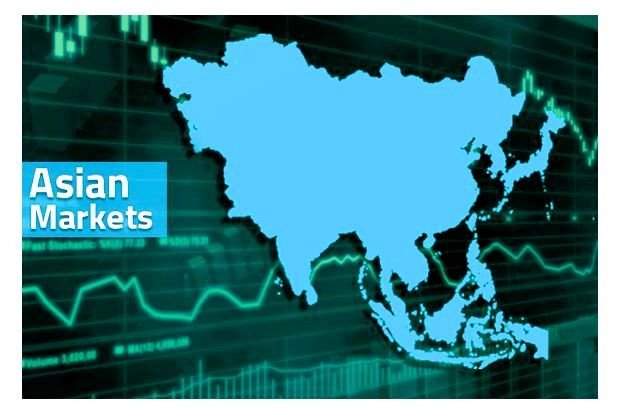
Emerging Asian equity market gauges logged their biggest one-day gain in more than 17 years on Friday, buoyed by a rally in South Korean and Taiwanese equities as scepticism around AI-related spending eased.
The MSCI EM Asia index rose about 7% and the EM Asia IT index advanced more than 13% in their biggest single-day jump since late October 2008, standing out as a bright spot to an otherwise downbeat month.
Still, the indexes have declined 5% and 14% so far this month, respectively. Rising scepticism over the sustainability of massive AI-related capital expenditure had prompted investors to scale back risk, fearing it could ultimately dent the growth prospects of regional chipmakers.
However, Microsoft and Amazon posted strong earnings overnight and provided forecasts that eased concerns about hefty AI-related spending.
“We think Microsoft’s outlook for continued capex growth and positive free cash flow in FY27 estimate may help to relieve the concern on AI infra stocks,” Nomura analysts wrote.
South Korea’s KOSPI surged as much as 17.1% before pulling back slightly. Chipmakers SK Hynix and Samsung Electronics, which make up more than half the benchmark, rose as much as 29.7% and 26.3% in their respective largest single-day rise to date.
Despite a brutal six-week crash that erased over two-thirds of its massive annual gains on thinning volume, the KOSPI remains up around 50% year-to-date after a highly volatile run this year.
In Taiwan, the main index advanced 8.2% in its strongest trade since mid April. Semiconductor major TSMC rose 8.8%.
In Southeast Asia, stocks in Bangkok and Jakarta rose 1.5% and 0.5%, respectively. On the flip side, Singapore shares fell for a second consecutive day after hitting a record high of 5,713.19 points earlier this week.
However, the index, among the best-performing markets in the Emerging Asia region, is on track to book its strongest month in nearly six years.
Among currencies, the South Korean won weakened as much as 1.2% to 1,440.58 per dollar, after appreciating to its strongest level since mid-October 2025 on Thursday.
Reuters reported that local foreign exchange authorities had conducted a rare dollar-selling intervention the previous day, underscoring the severity of capital flight during the market downturn.
“Further KRW appreciation will likely require renewed foreign equity inflows rather than additional hedge unwinds.” said Wee Khoon Chong, senior markets strategist at BNY.
Meanwhile, the yen fell to 160.60 per dollar after the central bank kept interest rates unchanged, a day after it shot up more than 2% following intervention by the Japanese authorities.
HIGHLIGHTS:
** Philippines cenbank sees July inflation within the 5.6% and 6.6% range
** China’s leaders pledge targeted measures to support growth at Politburo meeting
** China factory activity unexpectedly shrinks in July
** India’s IT index down as much as 3.7% – Reuters