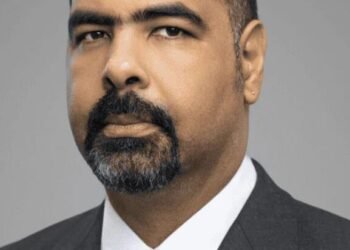
Despite new budget measures aimed at encouraging home ownership and residential development, economist Therese Turner-Jones questioned whether the incentives will be enough to overcome the high cost of building and financing a home, arguing that many Bahamians still face significant barriers to entering the property market.
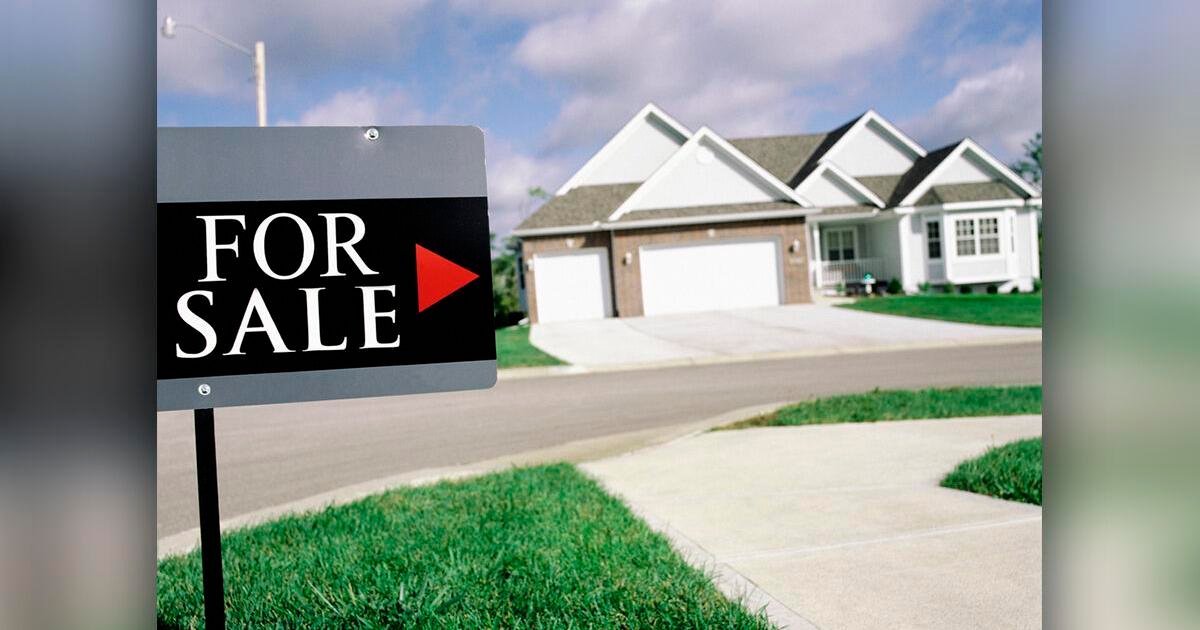
The government announced in the 2026/2027 budget communication that the first-time homeowner exemption under the Real Property Tax Act will increase from $500,000 to $600,000. It also proposed expanded duty exemptions for first-time homeowners and incentives for developers constructing multi-family housing.
Turner-Jones, however, said the measures are unlikely on their own to make home ownership substantially more attainable.
“I don’t know that this thing in the budget is gonna say, ‘yay, I can now own something’,” Turner-Jones said.
“You still have to find the property, still have to build it and all that cost money.”
She said while the incentives may benefit some Bahamians, they do little to address the fundamental costs associated with purchasing or constructing a home.
“I think it’s not going to be as easy to go build a project,” she said.
“You’ve got to come up with those construction costs. And that’s really difficult. You’ve got to get a mortgage. And you need five years to even, you know, be able to come up with the deposit.”
Turner-Jones added that for many young Bahamians, acquiring property remains challenging despite the proposed concessions.
“I think on average, it’s just not that great. It’s just hard,” she said. “All the other costs are still there.”
She suggested that those who already own property may be better positioned to benefit from today’s housing market by generating rental income.
“If I’m a young person and I happen to have some means, meaning somebody left me some property or my father sold some apartment to me or something, that’s great because you can actually do good business in the rental market,” said Turner-Jones.
“So if you have some property, it’s a valuable asset today.”
Turner-Jones encouraged Bahamians who already possess assets to consider ways of generating additional income from them, while acknowledging that such opportunities are not available to everyone.
“I think people need to start thinking about what assets they do have and how they can monetize some of these assets,” she said.
“Not everybody can do that, but for those who can, that’s another way to make ends meet.”