Ulaanbaatar,
April 22, 2026 /MONTSAME/. The
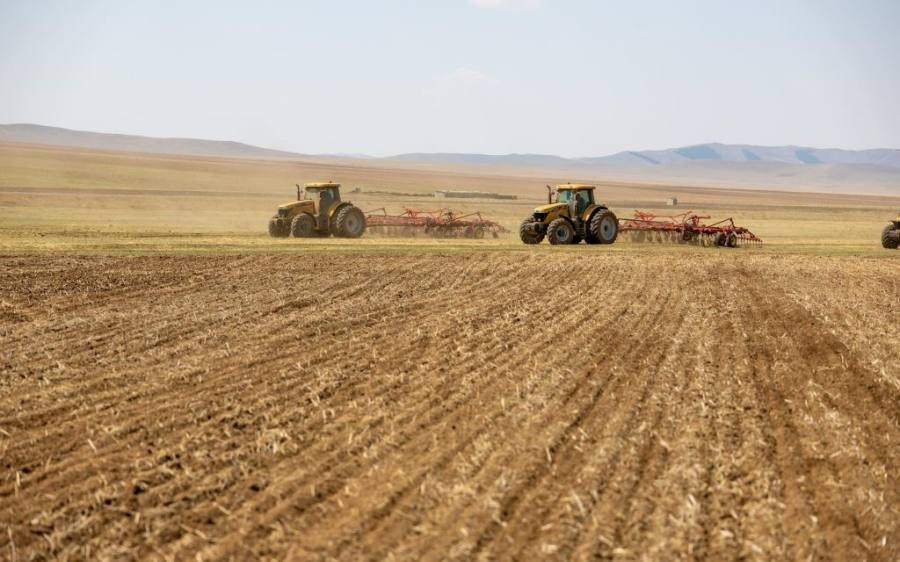
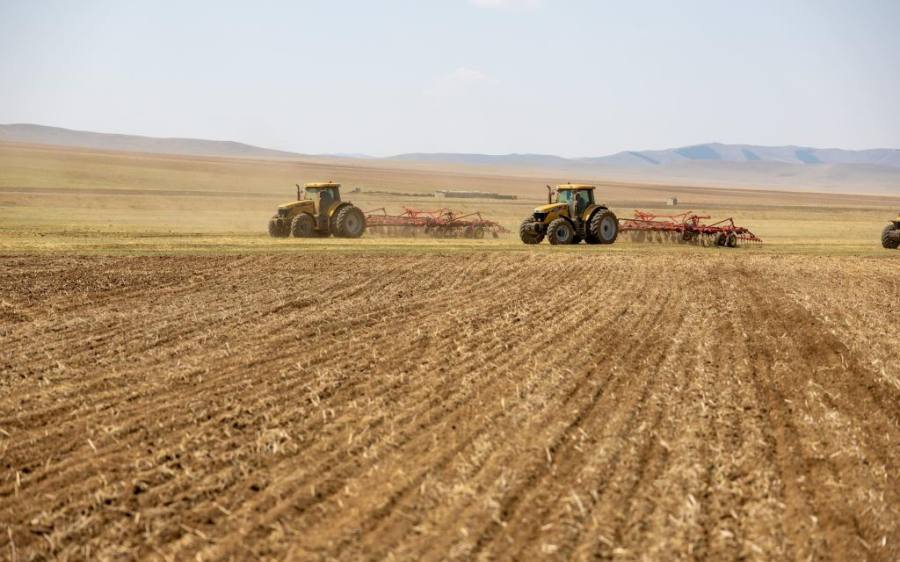
Institute of Plant and Agricultural Sciences has issued its 2026 crop
cultivation technology recommendations, prepared based on seasonal weather
forecasts for Mongolia’s regions from May to July. According to the institute, the
regional outlook for the warm season is expected to be important for farmers in
planning spring sowing.
In the central agricultural
zone, the next three months are forecast to be warmer than the long-term
average, with precipitation of 50–70 mm or more. Officials said this could help
ease the effects of extreme heat.
In the eastern region, however,
precipitation is expected to be low, while air temperatures are forecast to
rise in June and July. The region is likely to be warmer than average
throughout the year, making early planting plans necessary.
For western farming areas,
above-average rainfall is forecast in June.
The institute noted that
despite low rainfall in Selenge and Tuv aimags between May and July last year,
farmers still harvested yields of 12 centners per hectare, attributing the
result to scientifically based cultivation technology and quality
implementation.
The outcome demonstrated that proper farming technology
can significantly reduce the impacts of climate risks, extreme heat, and
drought.