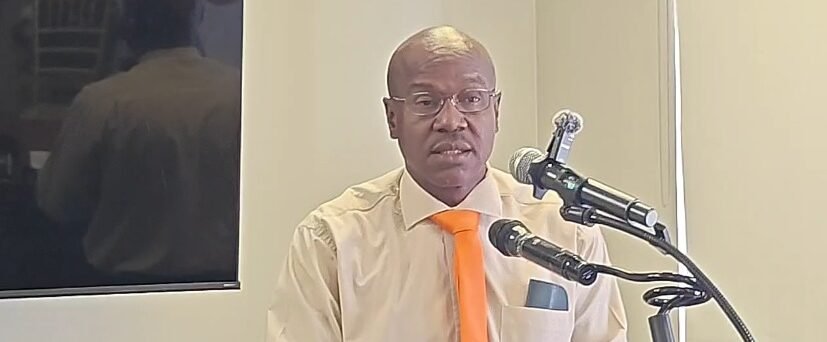

United Progressive Party (UPP) representative Loftus Durand has called for greater attention to disabled, elderly and homebound electors, warning that some eligible citizens may still be unable to access Dominica’s voter confirmation services.
His comment came during a recent Electoral Reform Coalition (ERC) press conference.
He said physical disabilities, illness, limited mobility and other circumstances could make travelling to a confirmation centre difficult or impossible.
“These challenges can include limited mobility, physical barriers, difficulty travelling to confirmation centres and a lack of accessible transportation,” Durand stated.
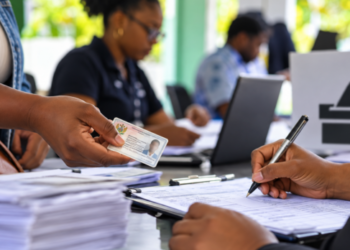
He acknowledged that the Electoral Office had undertaken measures to improve access, including home visits using mobile confirmation kits and centralized exercises at accessible locations such as the Windsor Park Sports Stadium.
“These initiatives are important,” he emphasized.
However, he expressed concern that the measures might not reach every eligible voter requiring special assistance.
He urged officials to identify people who could not travel easily and had not yet been reached through mobile confirmation services.
“The right to participate in the electoral process should be accessible to every eligible citizen,” he said.
Durand also appealed to families and communities to help identify outstanding cases rather than assume that vulnerable relatives had already completed confirmation.
“We also encourage the relatives, caregivers, neighbours and trusted friends to check on loved ones who may need assistance in that regard,” he said.
He suggested that practical help could include obtaining information, arranging appropriate transportation or contacting the authorities about available accommodations.
Such assistance, he said, could make an important difference for someone at risk of being excluded.
Durand maintained that disability, illness or limited mobility should not become a barrier preventing an otherwise eligible citizen from completing the exercise.
His presentation formed part of the opposition groups’ wider appeal for additional time and a confirmation process that accounted for the needs of people who could not readily attend standard facilities.