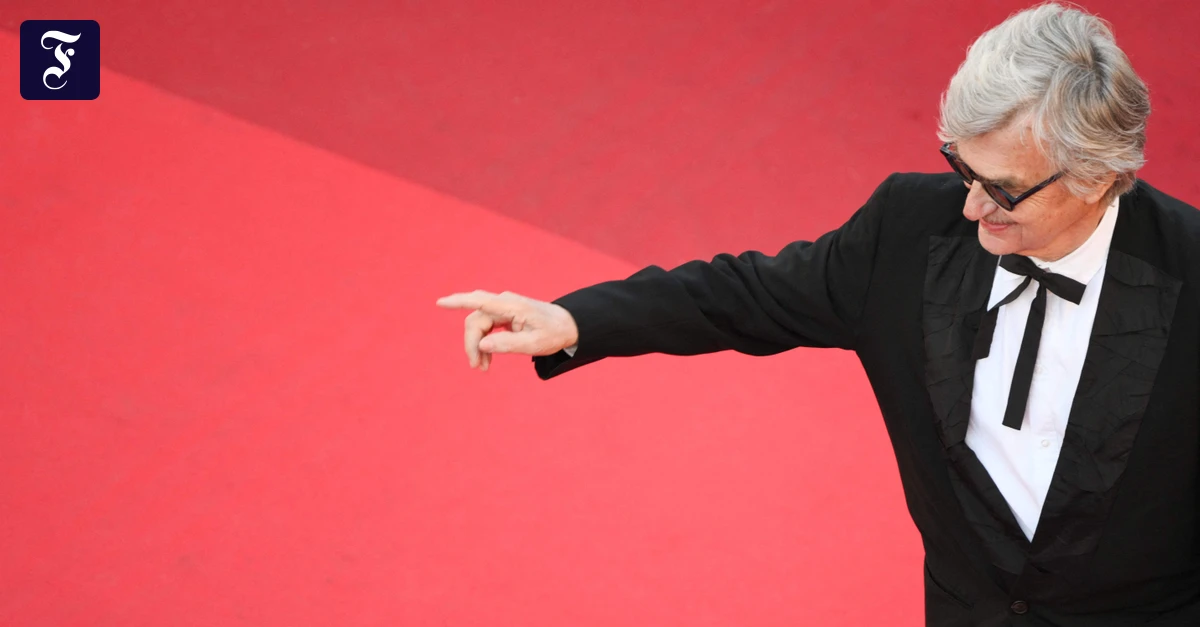
It is a late break in an early key work: Wim Wenders withdraws his film “Falsche Movement”. The film will be “withdrawn from all current forms of exploitation,” said the Wim Wenders Foundation. “Streaming, TV and distribution partners are instructed to no longer make the film publicly available.” The background is a scene in which Nastassja Kinskithen thirteen years old, can be seen bare-chested. Kinski has been trying to have the scene removed from the film for years.
In his message, Wenders Kinski expressly apologizes. “As the only person responsible for the ‘False Movement’ who is still there, I see that Nastassja Kinski should have been better protected back then. I apologize for that, Nastassja, without any ifs or buts.” The many reactions, tips and conversations of the past few days have further sharpened his view of the events at that time, explained Wenders. At the same time, he spoke of the fact that society must find appropriate ways of dealing with controversial films from the 20th century.
An important building block in Wenders’ work
With this, Wenders makes a remarkable turnaround. At the German Film Awards ceremony in Berlin, where he was awarded the German Film Academy’s Honorary Prize, he described the case primarily as a question of film heritage. The eighty-year-old director said he would “never do the scene the same way again today.” At the same time, he asked whether a film could or should be shortened later if a scene caused pain to an actress today. Wenders said he was “at a loss” and didn’t want to make this decision alone, but asked the German Film Academy for a debate, especially with younger filmmakers.
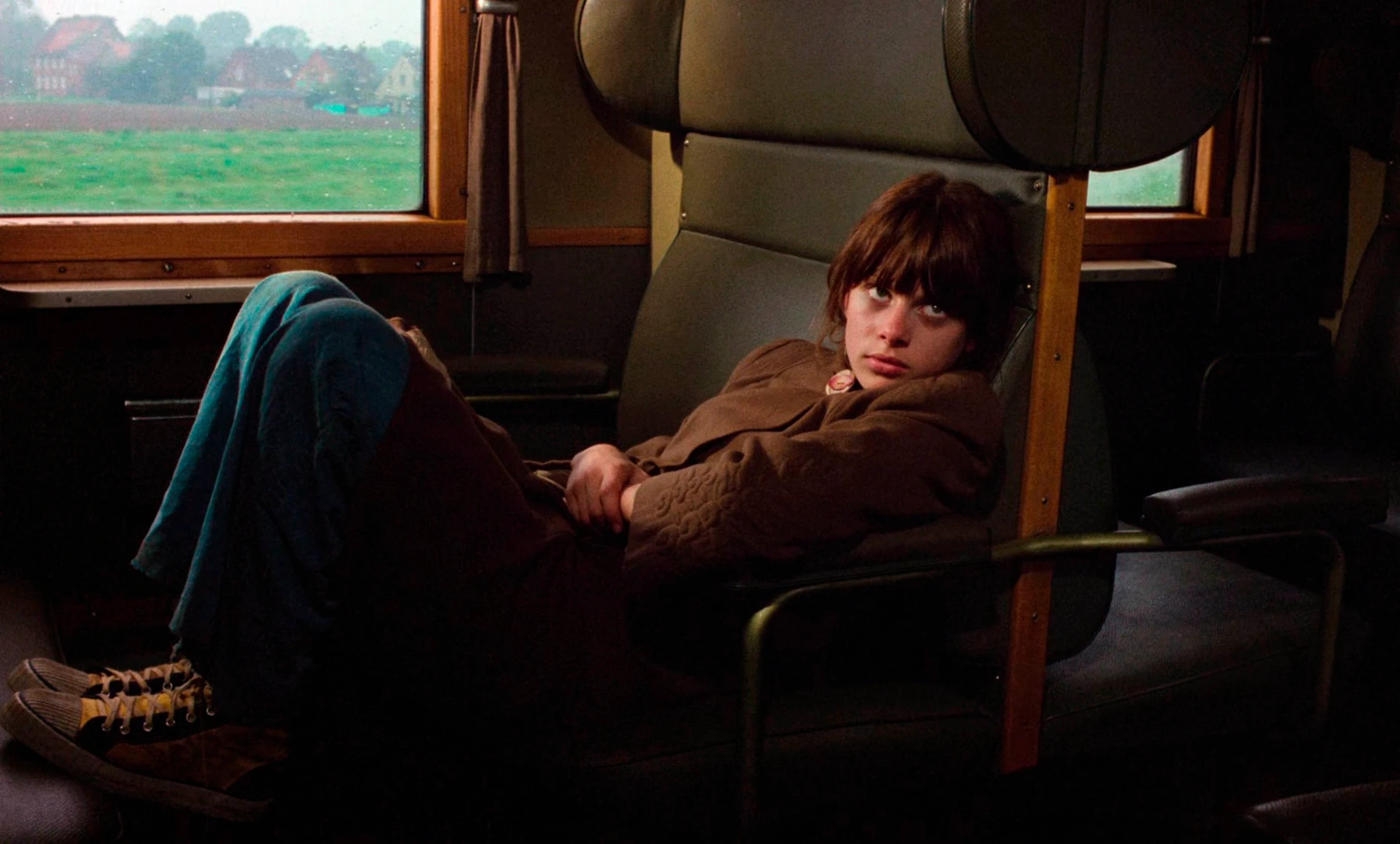
This shift in responsibility was sharply criticized: Kinski’s lawyer Christian Schertz told the FAZ that Wenders “once again did not take responsibility.” It’s not about cancel culture, but about the director’s responsibility for his film. “Only he can solve the problem. He is the director, it is his film.” Kinski herself told the “Süddeutsche Zeitung” that she had already sensed as a thirteen-year-old “that it wasn’t okay.” Schertz had announced that he would approach Wenders, the film distributor Kinowelt and WDR as co-producers to confirm that the scene would no longer be used.
“False Movement” was made in 1974 and was released in cinemas in 1975. The film, based on a script by Peter Handke and loosely based on motifs from Goethe’s “Wilhelm Meister’s Apprenticeship”, is one of Wenders’ early works about being on the move, alienation and the inability to be close. Rüdiger Vogler plays Wilhelm Meister, who travels through the Federal Republic and meets characters who seem to have been removed from a damaged post-war society: Hanna Schygulla’s Therese, Hans Christian Blech’s Laertes, Peter Kern’s poet Bernhard Landau and Kinski’s Mignon, a mute girl.
The film was long considered an important building block in Wenders’ work and in the cinema of the 1970s. It was shot according to a script by Handke, the cameras were directed by Robby Müller and Martin Schäfer. “Falsche Movement” was awarded several German film awards, including for direction, screenplay, camera, editing and music. Looking back, the film no longer only represents a departure for young German cinema, but also for its blind spots.
Wenders’ withdrawal does not definitively answer the question of how to deal with problematic images of film heritage. But he shifts it back to where it began in this case: to responsibility for a specific image and for the then minor who can be seen in it.