Nairobi/ Madrid/The Supreme Court of Eswatini, the former Swaziland, ruled in favor of four of the migrants deported by the United States to that small African kingdom and recognized their right to meet with a lawyer, after spending nine months without in-person access to legal assistance. Among them is the Cuban Roberto Mosquera del Peral, sent to the country last summer as part of the new policy of expulsions to third states promoted by the Donald Trump Administration.
The court’s decision confirms an earlier ruling by a lower court, which had been challenged by the Swazi government. The case refers to the first group of deportees that Washington sent to Eswatini in July 2025: initially there were five men, although one of them was later repatriated.
The judicial resolution does not put an end to the case or immediately improve the underlying situation of the deportees, but it does represent a defeat for the Executive of Eswatini, which had defended that these men did not have the right to defense because, formally, they were not detained nor had they been accused of any crime in the country. They also alleged that they did not wish to meet with local lawyer Sibusiso Nhlabatsi, who acts on behalf of the lawyers representing them from the United States and who until now had only been able to speak with them by telephone.
Amnesty International welcomed the ruling, although it warned that the main problem remains intact. “The Supreme Court ruling represents an important step to defend the right to access a lawyer for people who have been illegally transferred by the United States to Eswatini,” said Vongai Chikwanda, deputy regional director of the organization for Eastern and Southern Africa, this Friday.
“No one should be transferred to a country in violation of the guarantees of international law, only to be secretly detained without a clear legal process.”
The NGO, however, stressed that access to a lawyer does not correct the most serious violations reported for months. According to Amnesty, these transfers are part of an abusive practice that leaves deportees trapped in countries with which they have no ties, without a clear judicial process and without guarantees against a new expulsion.
“No one should be transferred to a country in violation of the guarantees of international law, only to be detained in secret without a clear legal process, without access to lawyers and without protection against subsequent illegal expulsion,” the organization insisted.
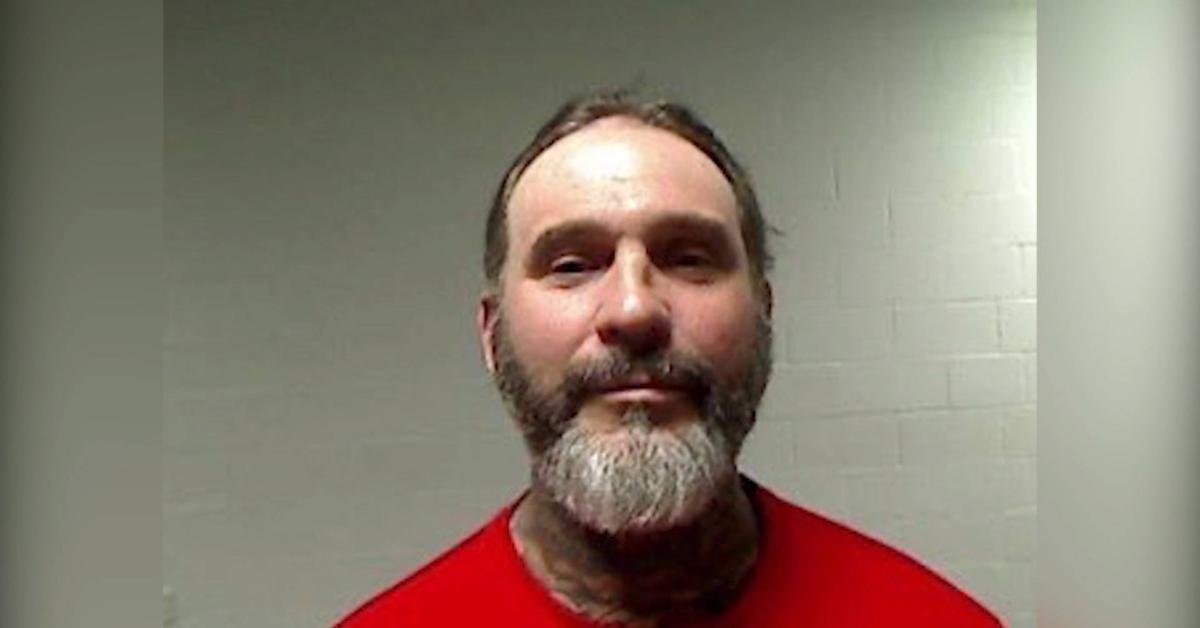
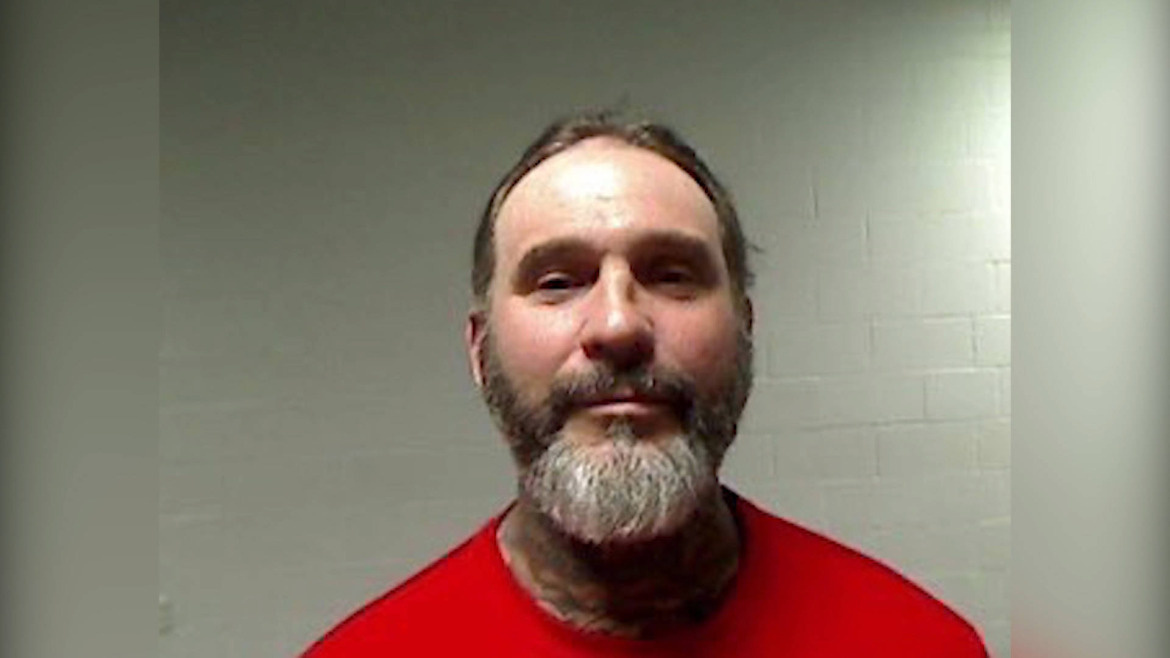
The case of the Cuban Mosquera del Peral illustrates this policy. The man had served a sentence for murder in Miami and was one of the citizens sent by Washington to Eswatini after his country of origin, like others, did not accept to receive him. Nationals from Vietnam, Jamaica, Laos and Yemen traveled with him. As the months passed, the number of deportees transferred to that African kingdom grew to at least fifteen people, although two of them have already been returned to their countries, Jamaica and Cambodia.
Last October, Mosquera’s lawyer, Alma David, reported that the Cuban had been locked up without charges for more than three months in the Matsapha maximum security prison, in Eswatini. The lawyer then assured that her client had started a hunger strike to protest his arrest and warned that his life was in danger, while demanding that he be allowed access to a lawyer in that African country.
Washington agreed to pay 5.1 million dollars to the Swazi Government, as acknowledged by the kingdom’s authorities
According to complaints filed with the courts and human rights organizations, the deportees have been detained without charge and in solitary confinement in the Matsapha maximum security prison, near Mbabane, the capital of Eswatini. The local government denies that these are illegal detentions, but that has been precisely one of the central lines of the litigation.
Already last February, the Eswatini Justice rejected an appeal that attempted to stop the deportation of third-country citizens from the United States. That lawsuit had been filed in August, shortly after the US Department of Homeland Security confirmed the sending of the first five foreigners to the African country.
The agreement was not free. Washington agreed to pay $5.1 million to the Swazi government, as acknowledged by the kingdom’s authorities. This figure further fueled the criticism of activists and jurists, who see in these pacts an externalization of the US immigration system: those expelled leave North American territory, but do not necessarily return to their countries of origin, but are sent to third States willing to receive them in exchange for economic compensation.
Nine months after their arrival at a maximum security prison in a foreign country, they remain in a situation of legal limbo
Since returning to the White House in January 2025, Trump has tightened his immigration policy and promoted rapid expulsions with support from several countries. In addition to Eswatini, Washington has closed similar agreements with El Salvador, Ghana, Rwanda, Uganda, South Sudan, Equatorial Guinea and the Democratic Republic of the Congo.
Humanitarian organizations consider that these agreements expose hundreds of people to a chain of abuses: arbitrary detention, ill-treatment, isolation and the risk of being sent back to places where they may suffer persecution, torture or degrading treatment. That is why they have asked several African governments to refuse to become a destination for migrants expelled from the United States.
In the case of Eswatini, the Supreme Court ruling opens a legal loophole for those deported, but does not clarify how long they will continue to be held or what their final destination will be. Nor does it resolve the underlying question: whether a country can accept people expelled from another State and keep them locked up for months, without charges, without transparency and without explaining what will happen to them.
For Mosquera del Peral and the other men, the ruling means at least a possibility of defense that until now had been denied to them. But nine months after their arrival at a maximum security prison in a foreign country, they remain in a situation of legal limbo, converted into pieces of an immigration policy that has moved the problem far from the US border.