It’s easy to notice things like bicycles, candles and mixed weather when you move to or visit Denmark. But which everyday items are conspicuous by their absence?
Moving to Denmark – or just visiting it as a tourist – offers no shortage of sights and customs that you won’t have met with anywhere else.
At the same time, several elements of European life are conspicuously absent from life in Denmark, causing you after a while to suddenly realize they’re missing.
White bread
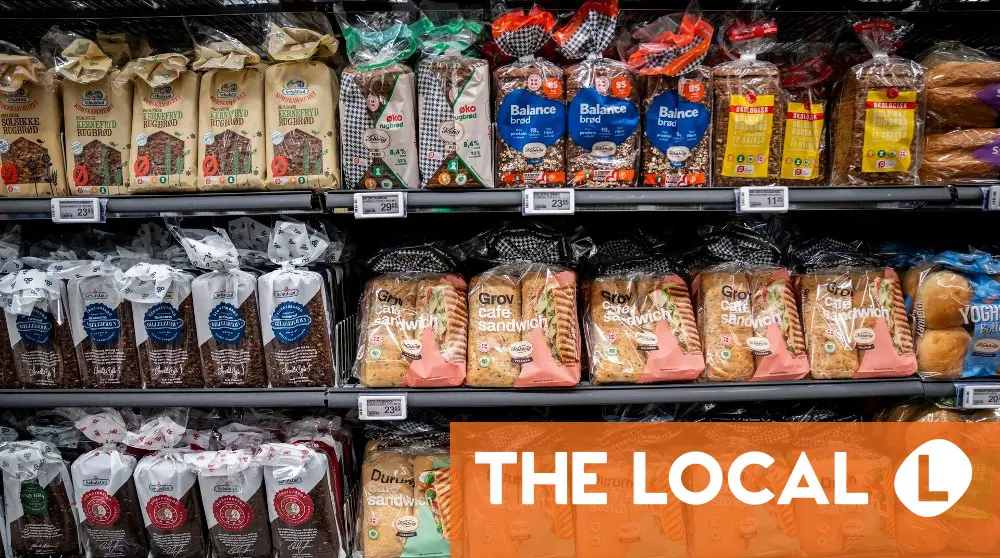
Okay, white bread is obviously not completely absent in Denmark. You can get it in supermarkets and you might occasionally see it offered at a cafe or in someone’s cupboard. The latter two situations are extraordinarily rare, however.
This is because of the near-total dominance of rye bread (rye bread) as the staple of Danes’ bready needs. Most packed lunches consist of a rye bread food: a “rye bread meal” consisting of a single slice of rye bread, usually buttered, with a simple topping or toppings.
If you’re eating lunch at a more upscale restaurant or cafe, you might enjoy a sandwiches, which is essentially the same thing but with fancier toppings (don’t tell any Danes I said this).
The preference for rye bread is deep-rooted in Danish culture and is understandable from a nutritional standpoint, but the dark, heavy slices can take some getting used to for the newcomer.
When you see white bread, it is most likely to be in the form of buns or bread rolls, or french bread, fresh baked loaves or baguettes.
Heavily processed sliced white bread is very low on the list of preferences to the point of being looked down upon, and is only really used to make toasties.
READ ALSO:
Cash
The near-complete absence of cash in everyday transactions in Denmark goes beyond what seems like normal modern trends towards cashless payments.
It’s not uncommon for Danish residents to see entire months pass without a single physical coin or banknote changing hands.
Instead, most people use electronic payment methods such as the dominant MobilePay app, mobile payments like Apple or Google pay, and contactless cards.
These effectively render cash obsolete in most scenarios:
Ordering takeaway? Use MobilePay.
Going shopping? Pay via card.
Paying the mortgage? Online banking.
Donating at church? MobilePay again.
In 2023, only one in five people in Denmark said they’d find it difficult to get by if cash didn’t exist, demonstrating Denmark’s preference for doing business electronically.
Littering
Bustling tourist hubs such as Copenhagen’s Nyhavn in the peak season, and giant music festivals like Roskilde are the exceptions but, generally speaking, Denmark’s streets tend to be very clean compared to some other European countries.
With a deeply ingrained culture of personal responsibility for waste management, many Danes tend to maintain their urban environments to a very high standard, making ugly piles of trash a rare sight.
The widespread adage is to leave every place cleaner than how you found it. Therefore, don’t be surprised if you see people picking up other people’s litter in the woods, on hikes, or on walks through their neighbourhoods.
It’s also common for residential areas to have small recycling deposits where people can leave unwanted large items like white goods, pieces of furniture or cardboard and wood without taking a longer journey to a municipal recycling centre. This further encourages waste sorting, discourages tipping and makes people less inclined to break with conformity by not depositing waste responsibly.
READ ALSO:
Once again, we’re not being literal here: Whatsapp is available in Denmark and plenty of people use it.
But considering over two billion people across the world have the messaging service, it’s surprisingly unpopular in Denmark.
Research by the Kantar Institute and national broadcaster DR back in 2020 found that only 4 percent of the Danish population use Whatsapp daily.
In comparison, Facebook and Instagram, also owned by Whatsapp’s parent company Meta, are used by 84 percent and 56 percent of adults respectively according to 2023 figures from Statistics Denmark.
The Whatsapp figure may have grown since 2020 but there’s little doubt it’s still way behind the others. The reason? Danes just seem to prefer Messenger.
Where are the curtains?
Another curious absence that might go unnoticed until pointed out is the absence of curtains on the windows of Danish homes.
Unlike in many other countries, where curtains are a common decoration for privacy, Denmark’s residents often forego this conventional window dressing, preferring unrestricted views of their surroundings and prioritizing more natural light during the day.
This is perhaps related to a general preference for clean, functional design and simplicity, as well as a need to let in as much light as possible during the darker half of the year.
When homes do cover their windows, it’s far more likely to be with blinds, either of the Venetian type (blinds) or roles (roller blinds) or for western-facing windows, blackout blinds (blackout curtains).
If you’re a fan of lace curtains or drapes, you’ve probably come to the wrong place.
What else is conspicuous by its absence in Denmark? Let us know in the comments below.