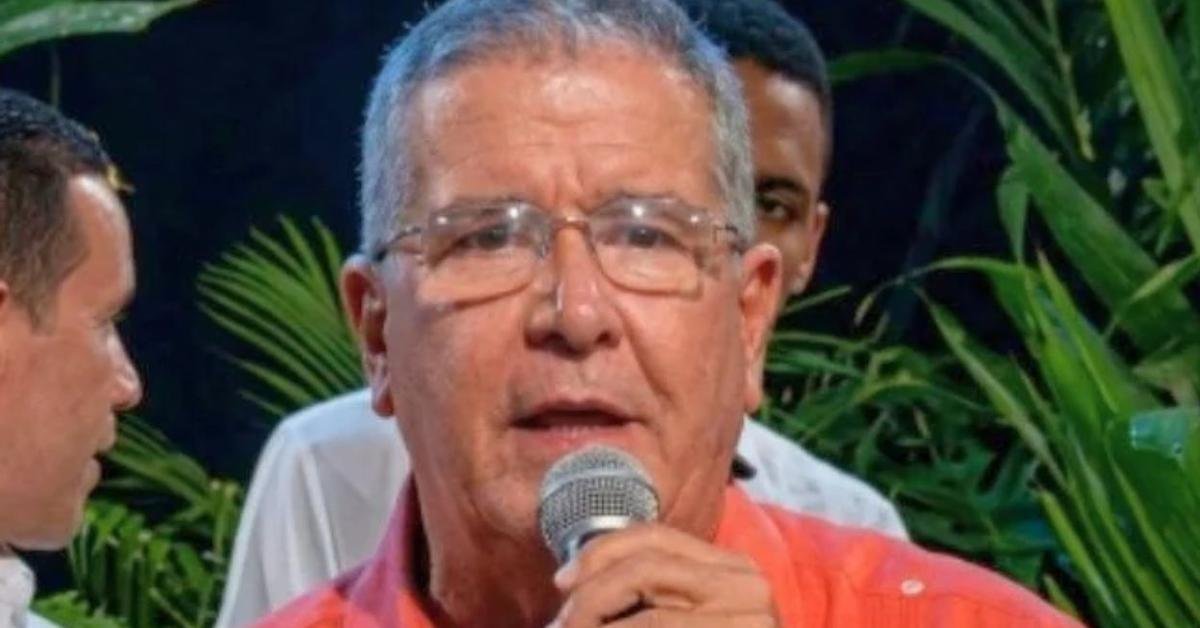
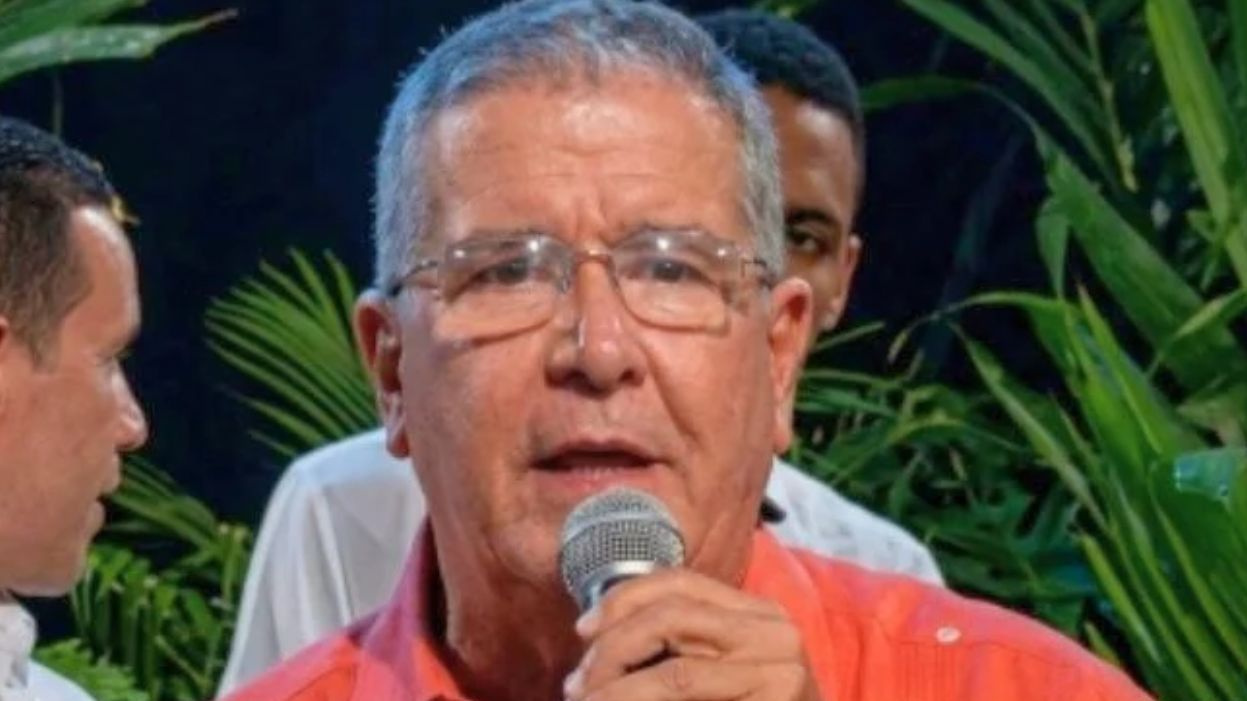
Havana/Fernando Guardado Carballo, one of the most recognizable voices on Cuban television and host of the program Palms and reeds for 39 years, died in the early hours of this Tuesday in his house in Havana. He was 79 years old. The cause of death has not been reported and, by decision of the family, his remains will be cremated in an intimate ceremony.
For many Cubans, Guardado was a Sunday voice. Palms and reedspremiered on October 19, 1962, brought peasant culture to homes throughout the Island for decades and turned the décimas, repentismo, tonadas and guajira music into part of the television memory of several generations.
Guardado arrived in space in 1975 as successor to Ramón Veloz, a sacred cow of the genre, and remained until his retirement from television in 2014. Viewers remember his farewell in each broadcast, in the key of dominoes: “I throw double seven, I close the date, see you in seven days, at seven at night, in Palms and reeds”.
“At that time on Sundays, my parents had already eaten to watch ‘Palmas y Canas’,” recalled a Cuban on social networks.
The phrase reappeared this Tuesday in comments posted on social networks after learning of his death. “Double 7, Saved, for you,” wrote one user. Another evoked the family ritual that surrounded the program: “My parents at that time on Sundays had already eaten to watch Palms and reeds”.
The program was the scene of essential figures of peasant music, including Celina GonzalezJusto Vega, Adolfo Alfonso and Inocente Iznaga, El Jilguero de Cienfuegos. Punto guajiro, improvised décima, tunes, sones and guarachas coexisted in a setting of huts, palms and mountains that ended up being one of the most recognizable images on national television. Along with the sound of the tres, the Sunday space became a reservoir of the music of the Cuban countryside.
Guardado, however, had a much more varied and extensive professional career. He was born on July 23, 1947 in Unión de Reyes, Matanzas, and studied History and Geography at the Enrique José Varona Higher Pedagogical Institute. He later worked as a teacher at the Higher School of Athletic Improvement, where he had the future Olympic champion among his students. Alberto Juantorena.
His arrival on the radio was accidental. While working as a writer at a station in the city of Artemisa, an announcer felt ill in the middle of the broadcast and the director asked him to take over the microphone. He then went to CMBF Radio Musical Nacional, Radio Progreso and Radio Cadena Habana, and was professionally evaluated by the legendary Manolo Ortega.
He appeared in other popular programs of the seventies and eighties such as ¿Qué dicehere?, ‘Casos y cosas de casa’, ‘Escriba y lea’, ‘Ballet Visión’ and ‘Revista de la muerte’.”
He also rejected a proposal to replace José Antonio Cepero Brito in Behind the facade because, as he said, he did not consider himself prepared to take the place of a figure of that caliber. The refusal did not stop his career: he appeared in other popular programs of the seventies and eighties such as What does it say here?, Cases and things from home, Write and read, Ballet Vision and morning magazineand shared spaces with Germán Pinelli, Dinorah del Real and Consuelo Vidal.
In 1983 he worked at Angolawhere he made and directed radio broadcasts in Spanish. Later, he participated in the training and evaluation of new generations of Cuban announcers. After leaving television, he continued serving as master of ceremonies and worked as a host at the Habana Blues restaurant in El Vedado.
In those years he also developed a lesser-known facet: he maintained a small “green medicine pharmacy”from which he helped people who came to him with different problems.