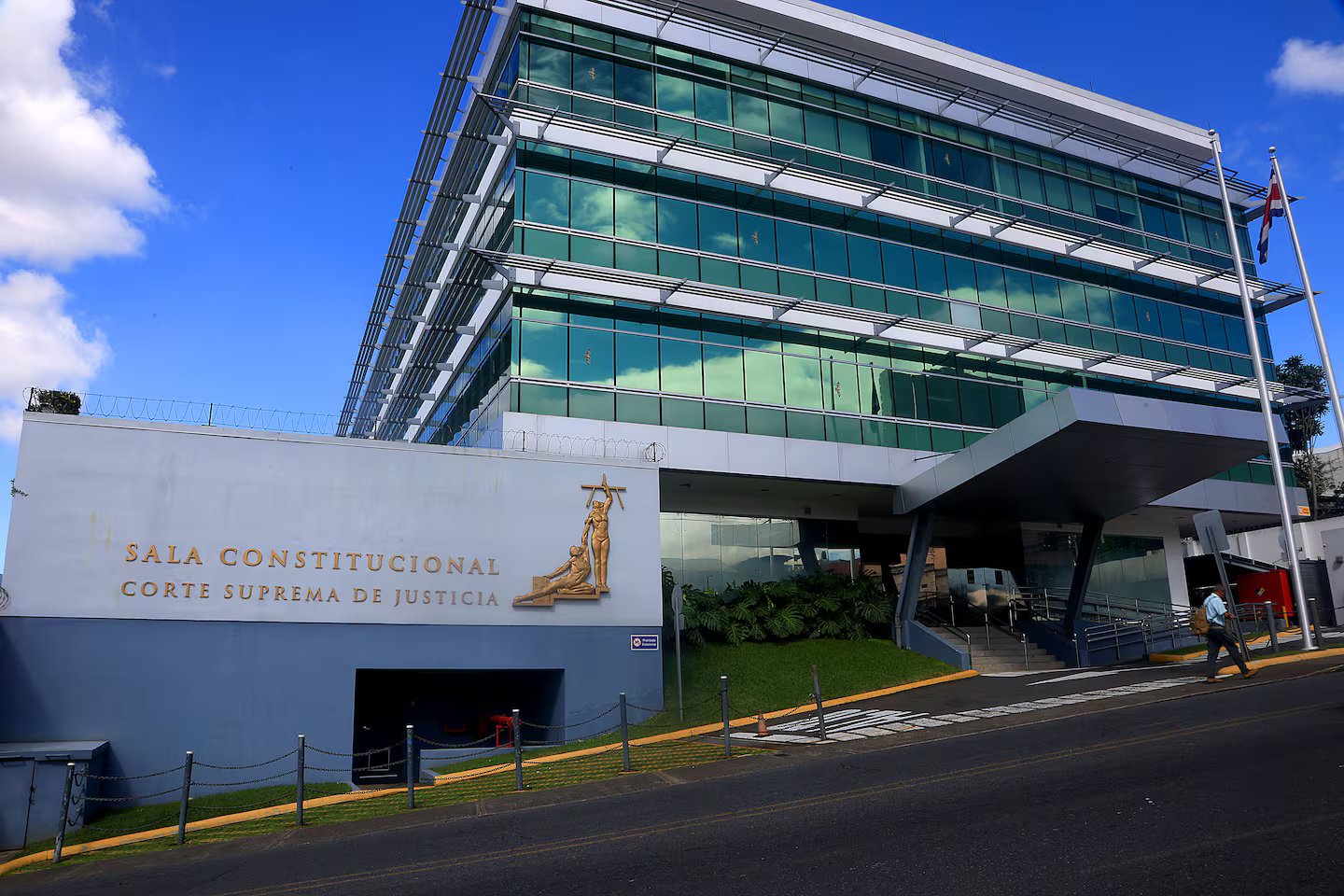
The Constitutional Chamber declared an appeal for protection presented by the National Council of Rectors (Conare), against the Ministry of Finance, for not issuing the resources corresponding to the increase in 2% of the FEES of 2025for an amount of ¢11,521 million, which were retained by the government of Rodrigo Chaves.
The vote was cast this Tuesday, April 7, by a majority of magistrates (five out of seven). Judges Fernando Castillo and Anamari Garro saved the vote.
In 2024, the Special Fund for Higher Education (FEES) of 2025 was defined by the Legislative Assembly after negotiations between the Executive and Conare failed. At that time, the deputies decided to increase that budget by 2%.
However, The Treasury did not issue that increase. The then minister of that portfolio, today a deputy elected by the ruling party, Nogui Acostadefended the measure and described the increase as “irresponsible.” He explained that the transfer was on hold.
In 2025, The former leader said that they would only release resources if there were “surpluses”. He defended that the budget is only an authorization for spending, but that they were not obliged to issue it.
Unlike the thesis of former Minister Acosta, the Chamber concluded that the Compliance with the 2% increase to the FEES was mandatory for the Government.

What did the Court decide?
The rectors alleged that the retention of these funds compromised the operation of public universitiesby limiting its ability to meet the needs of the student population and staff.
In ruling 2026-012063, by majority, the high court concluded that, with the omission of the increase, The Ministry of Finance violated the right to education; and, in addition, he recalled that the 2% increase in the FEES was approved by law, in the exercise of the competence that article 85 of the Political Constitution grants to the Legislative Assembly.
This section establishes that any difference between the universities and the Executive in the definition of the FEES must be resolved by Congress.
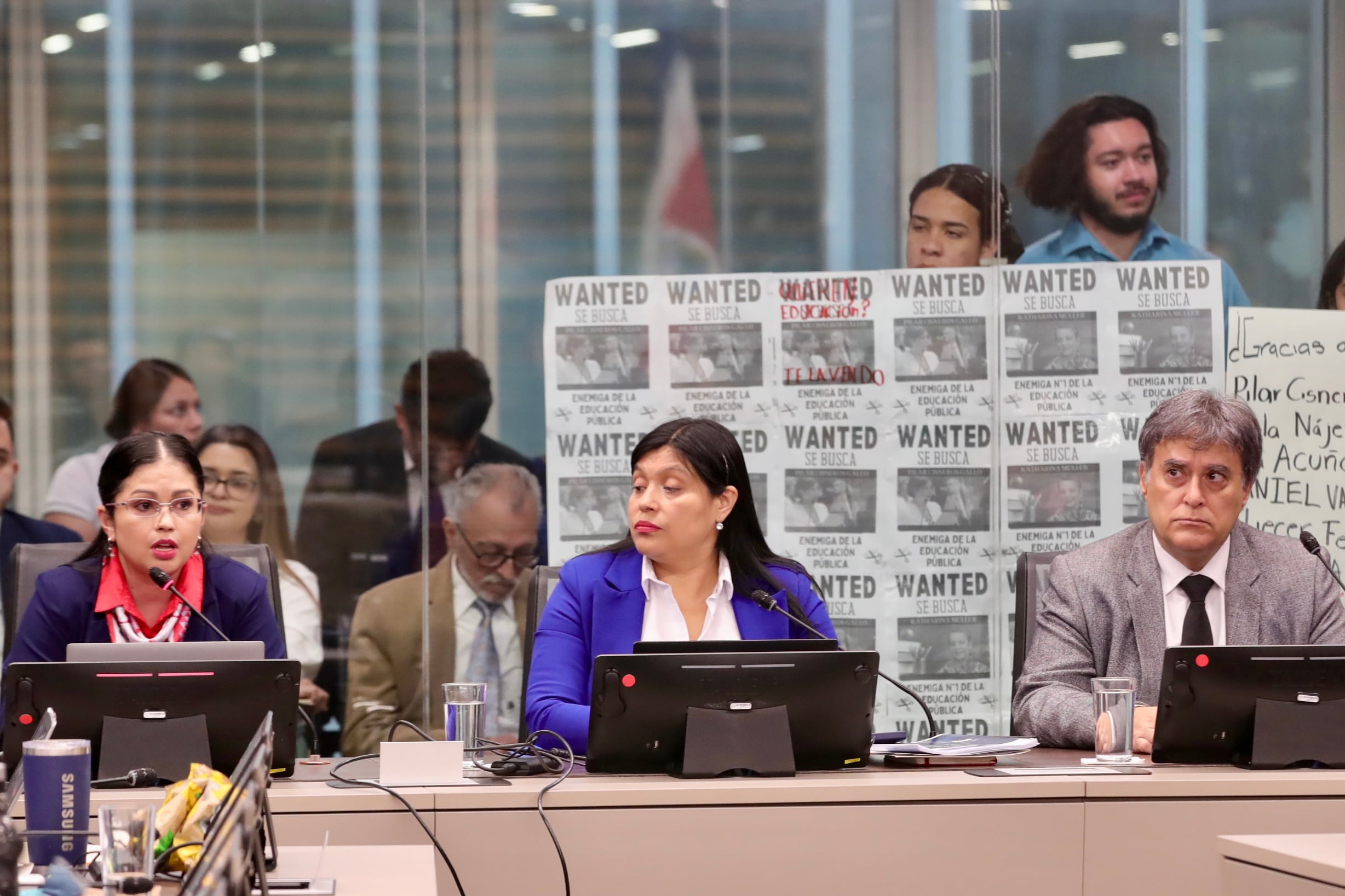
The magistrates reproach the Treasury for having ignored a legal provision already approvedas was the 2025 National Budget, in which that item was included.
“The Constitution obliges the State to guarantee the financing of public higher education and to respect the autonomy of state universities, both in their operation and in their financial management,” says the Chamber’s statement.
Why didn’t you order the amount owed?
The investigating magistrate, Luis Fernando Salazar, explained that the ruling does not imply that the amount owed will be transferred to the universities. Due to the principle of budget annuality, the Chamber indicated that It is not possible to order the disbursement of the resources corresponding to the 2025 financial year once said period has ended.
Consequently, the high judges ordered to warn the appealed authorities so that refrain from incurring this type of omissions again.
The resolution is still being drafted.