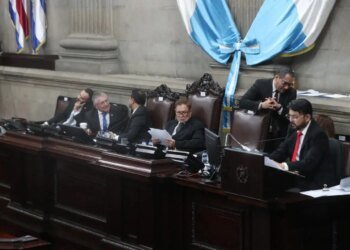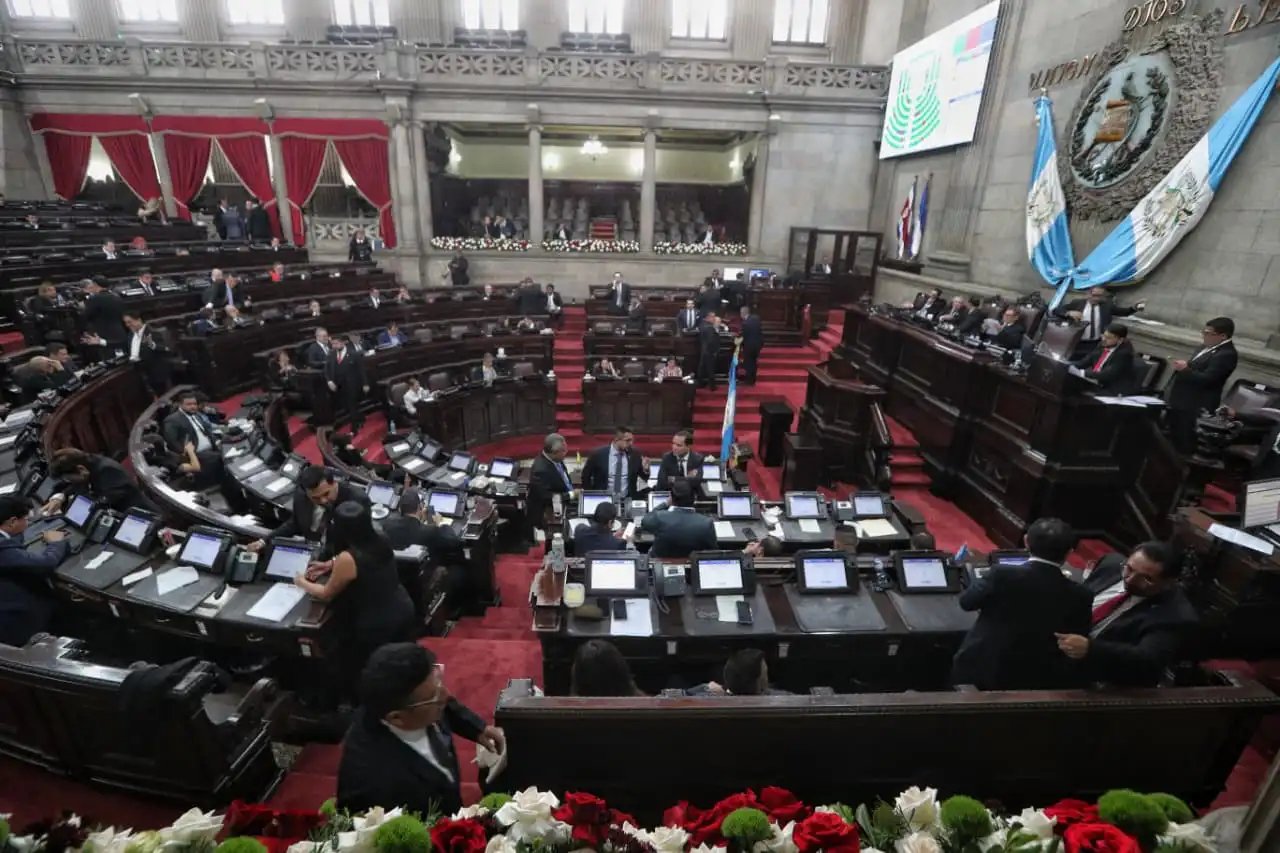
The plenary session of Congress convened this Tuesday, June 2, the Nomination Commission for head of the Comptroller General of Accounts (CGC), a position that must be renewed on October 13.
During the extraordinary plenary session, the deputies called for the different bodies that make up the postulator to appoint their representatives, in order to continue with the institutional renewal of 2026. Congress approved the legislative agreement 16-2026, with the vote in favor of 129 deputies.
The legislative agreement that summons the postulator calls for the Rectors’ Forum; to the deans of the faculties of Economic Sciences; to the College of Economists; and the College of Accountants, who make up the body.
With the call made, the Rectors’ Forum must vote to define the presidency of the nomination commission, and whoever is elected will decide the venue for the commission’s sessions and coordinate the call to the sessions themselves.
The universities that to date have faculties of Economic Sciences are 13, which represents an increase in the number of commissioners who will work this year, with a total of 27.
The most recent universities are Universidad Americana and Universidad Juan José Arévalo, the latter of which is linked to Walter Mazariegos, rector of the University of San Carlos de Guatemala (Usac).
The College of Economists, Public Accountants and Auditors, and Administrators (CCEE) must also elect two commissioners; and the College of Public Accountants and Auditors (CPA) will have to elect 11 commissioners.
The purpose of this nomination committee is to preselect the best six candidates to lead the CGC for the period 2026-2030, the institution in charge of ensuring the proper use of public resources. This list will be sent to Congress, where the deputies will have to appoint the future Comptroller General of Accounts.
The renewal of the CGC occurs within the framework of the general elections, where it plays a leading role, since the Comptroller’s Office is in charge of issuing the Transitory Certificate of Non-existence of Claim for Charges, popularly known as settlement, an essential requirement to be eligible for popular election candidacies.