High fish prices are currently benefiting Greenland’s economy, the Economic Council states in its current half-yearly report. But a smaller and older population will continue to put pressure on public budgets. It requires reforms for the future, warns the council.
The fishery has developed surprisingly positive, and private consumption has grown after several years of stagnation.
This is how some of the brighter messages sound in the Greenland Economic Council’s report for the second half of 2026, which was released on Thursday. The council expects the economy to grow by 1.3 percent this year and 1.5 percent in 2027 after three years of fairly low growth of less than one percent.
However, the progress does not change the fact that there is a need for reforms that make the economy more self-supporting and ensure a balance between public income and expenditure in the longer term. The Economic Council has also discussed this in the past.
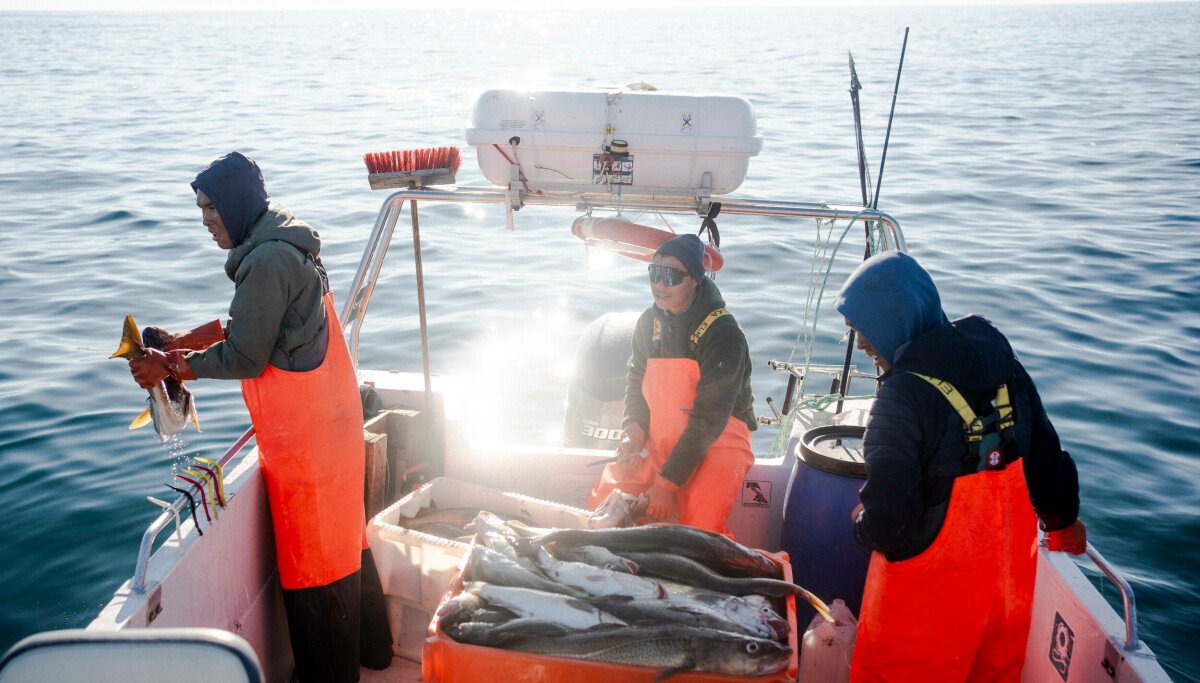
The prices of the fish and shellfish that Greenland sells abroad have risen considerably more than the prices of the goods the country imports.
This means that the income from exports can buy more goods abroad. The progress in society’s general purchasing power is therefore greater than the general growth figures show.
The cod fishery in particular has good times with an attractive combination of good prices and larger catch volumes.
– Overall, there is a prospect of record high export values of fish and shellfish in 2026, while the development in 2027 is uncertain and will depend on world market prices for fish, writes the council.
More jobs and continued price increases
The economic progress is expected to increase employment. In the current situation, this will require more foreign labor, the council estimates.
At the same time, inflation is expected to fall from 3.7 percent in 2025 to around three percent in both 2026 and 2027. Prices will therefore continue to rise, but more slowly. Higher rents and prices for water and electricity are significant factors in the price increase.
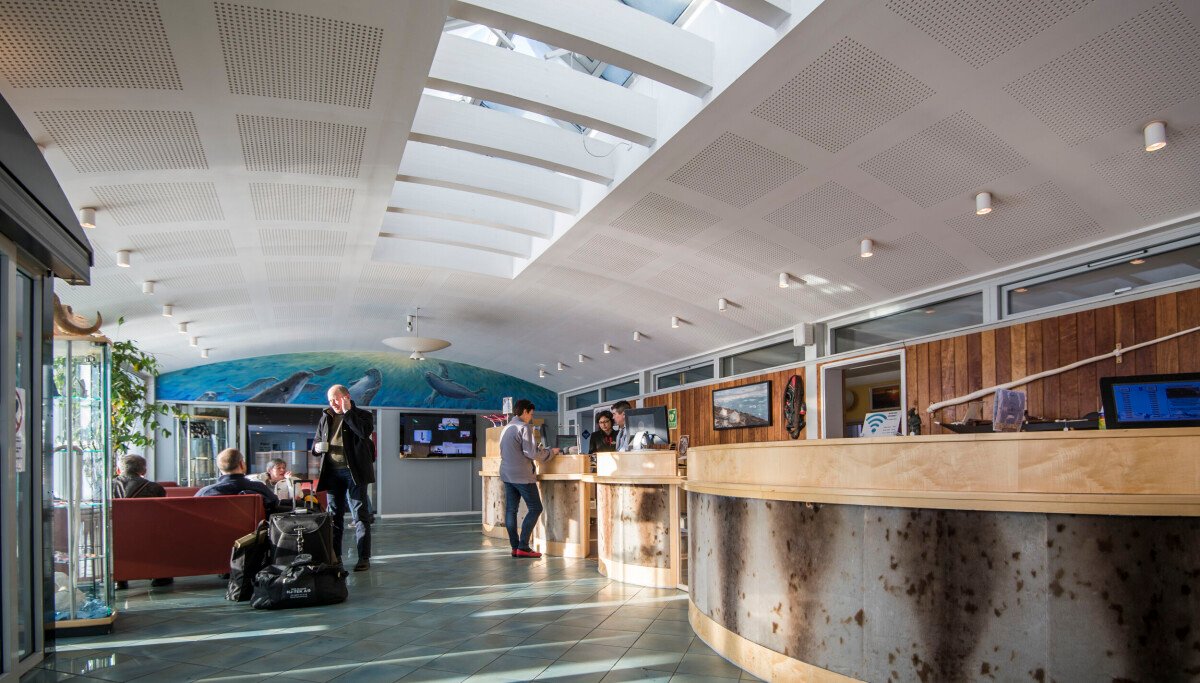
The development potential in tourism is considerable. However, this requires that the capacity and opportunities be spread out further throughout the year than the summer months, the council emphasizes.
Reforms must be implemented on time
There is thus not an acute economic crisis, but a long-term challenge: with unchanged policy, expenditure is expected to grow faster than income.
The population is getting smaller and older, and fewer will be of working age. This puts pressure on tax revenues, at the same time as expenses for, among other things, health and old-age pensions increase.
– With unchanged policy, the National Treasury will have an annual deficit of DKK 400-500 million towards the end of the 2030s. DKK per year, the council writes and concludes:
– There is a great need for reforms that strengthen the labor supply, improve productivity, increase the level of education or limit expenditure growth.
The Economic Council emphasizes that the reforms should be implemented soon, because it takes time before they have their full effect on the economy.