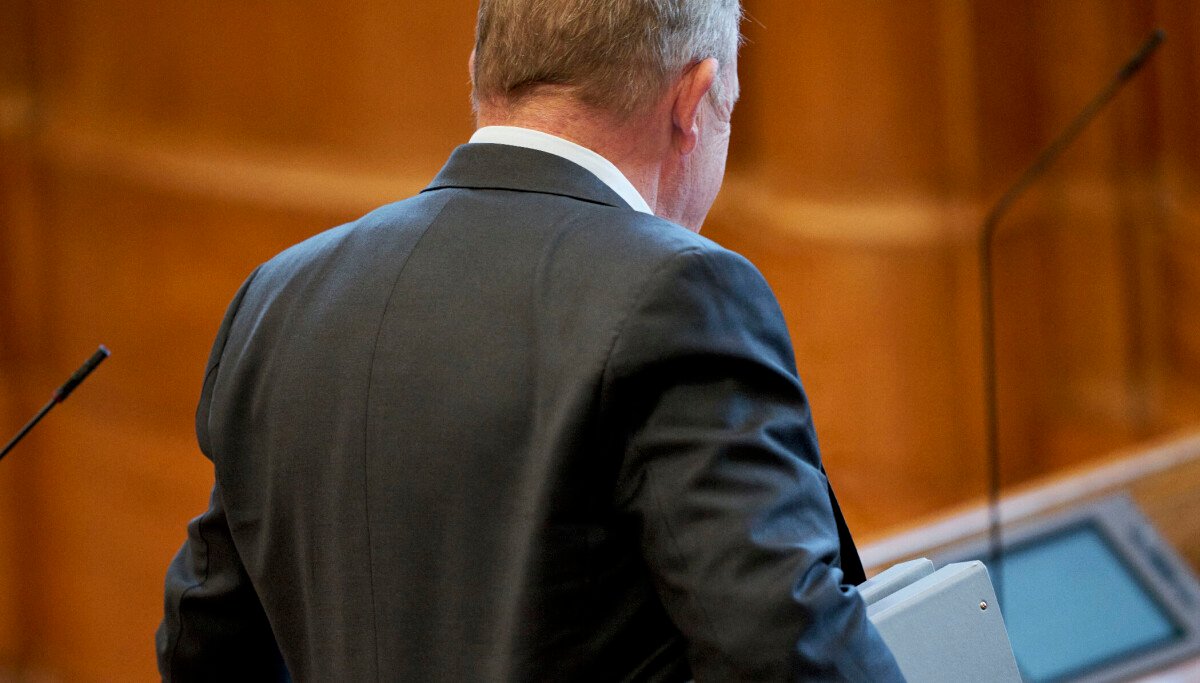
The parties of the Folketing On Thursday 12 November, unconditionally and clearly supported the defense agreement between the USA, Greenland and Denmark, when the agreement was first discussed in the chamber.
Several of the rapporteurs also took the opportunity to thank civil servants and diplomats from both Denmark and Greenland who have worked on the defense agreement, which was concluded on 22 September in the UN building in New York.
The agreement has already undergone first and second reading in Inatsisartut, where it was adopted on 4 November.
Conversational democracy
It was Foreign Minister Lars Løkke Rasmussen (M) who presented the draft resolution in the Folketingsalen. He said, among other things, that it was no secret that it has been a long process with uncertain perspectives.
– We stand here today with an agreement that is good for Greenland, good for the Kingdom of Denmark, good for the USA, good for NATO, good for the EU and good for the international world order. An agreement that strengthens our common defense and security in the Arctic and the North Atlantic area, and which is deeply rooted in NATO and which at the same time rests on the premise that we have a NATO. An agreement that reaffirms the Kingdom’s sovereignty and territorial integrity and recognizes Greenland’s right to self-determination. I think we can be very satisfied with that.
Lars Løkke Rasmussen also thanked for the close cooperation with the Greenlandic members of Inatsisartut, and the invaluable efforts of the civil service in both Denmark and Greenland.
– This is Denmark at its best. Danish conversational democracy. Working groups. The strongest weapon you can draw. A hard work that has borne fruit and shown that diplomacy can quickly play a decisive role in a world that is increasingly characterized by brute force.
A historic motion for resolution
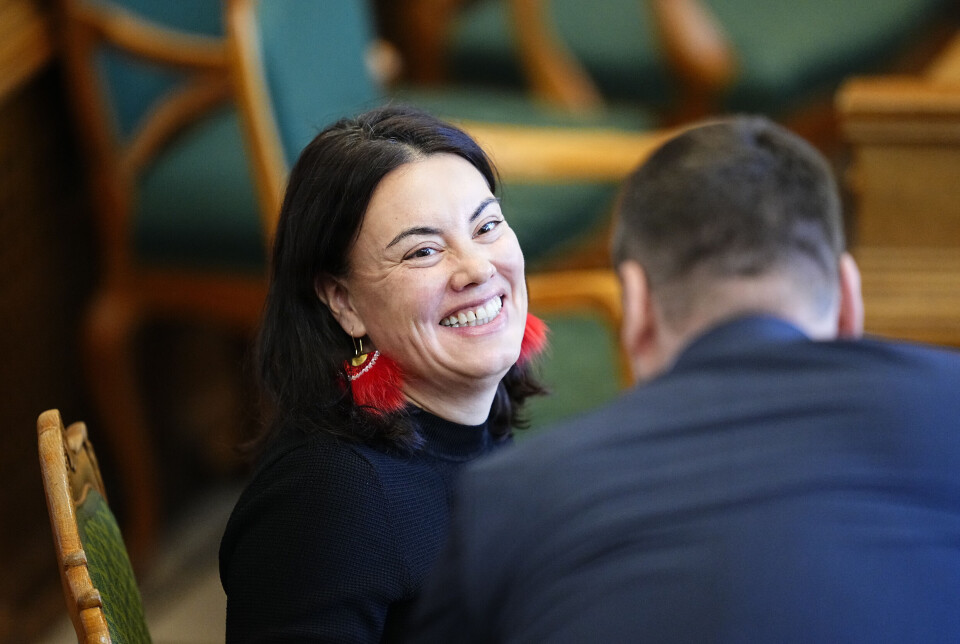
In her speaker’s speech, Naaja H. Nathanielsen (IA) called the proposed resolution historic.
– Historic because of everything that has gone before and historic for everything that the agreement will mean for Kalaallit Nunaat and the rest of the Kingdom, said Naaja H. Nathanielsen, adding that the most important thing for Inuit Ataqatigiit was that no red lines had been crossed and that no claimed territories have changed decision-making competence.
In addition, Naaja H. Nathanielsen emphasized that it is “completely crucial for Kalaallit Nunaat that the US recognizes our right to self-determination and recognizes the Greenlandic people as a people according to international law. We are very satisfied with the inclusion of environmental considerations, cultural and societal considerations, business development and the support for NATO cooperation in the agreement.”
Respect for Inatsisartut
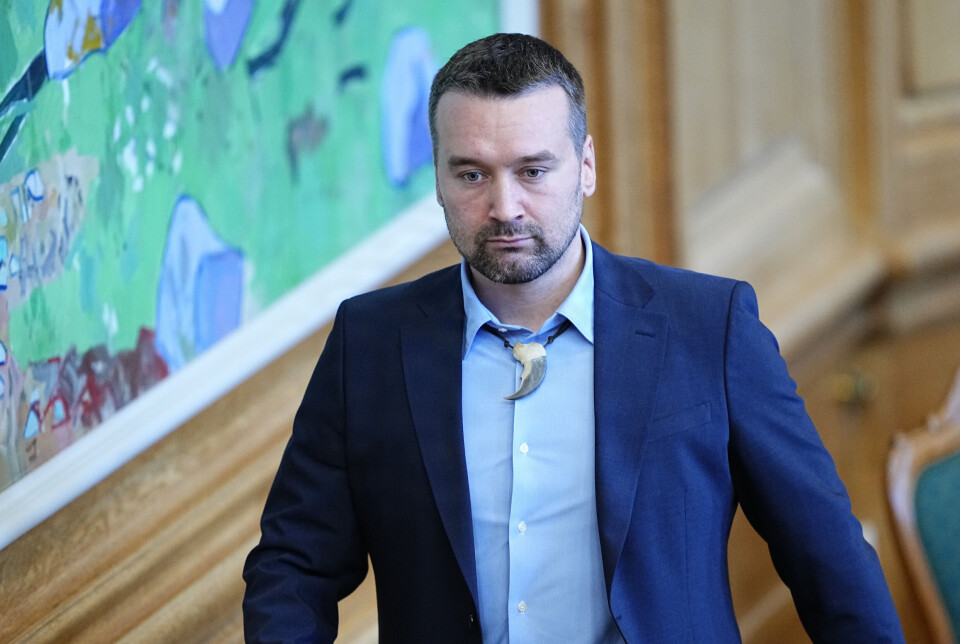
Qarsoq Høegh-Dam also expressed that it had been a tumultuous time in Greenland, which, among other things, had led to changes with, for example, more soldiers in Greenland.
– It’s something we have to get used to. However, I would like to thank the Danish government for taking into account and respecting the fact that it was Inatsisartut who first had to take a position on the defense agreement before it was dealt with here in the Folketing. Now comes the big work on how to implement the agreement.
Proposals for resolutions only have to go through two readings before they are decided. The second reading of the proposal has been put on the agenda 19 November 2026, after which it will be finally decided.