Havana/I haven’t heard Carusso for days. The neighborhood rooster has stopped crowing in the middle of the morning, with its uncoordinated crowing that began long before the sun rose. Has it finally ended up in a pot? I look out to the edge of the roof and see little lights here and there. Not a single blackout gap in all of Havana that I can see. That worries me more than the fate of the impertinent chicken on the block. What will come after so much electricity? I wonder.
They say that those who have experienced war can suffer from what is known as “combat fatigue.” Physical and mental exhaustion, disorientation and anxiety make up the trauma of the soldier who has experienced a battle. But nothing is over here, this is just a brief truce. A childhood friend assures me that this is like when the eye of the cyclone passes over us and it seems that calm has arrived. People get confident and leave their houses, but shortly after the hurricane wall arrives with the worst winds and the most extreme tornadoes.
It’s not like we’ve had time to let our guard down, because now we have electricity, but we lack water. In Cuba, you always have to keep one foot in the trench of precariousness. Last morning I had to watch out for the sound of the pipes. “Do you feel anything?” my husband asked me at three in the morning. I got up, checked, put my ear to the thick tube that comes from the immense tank in the building above our heads. “Nothing yet.” I tried to sleep, but every time I closed my eyes I felt a gurgling stream that woke me up.
I tried to sleep, but every time I closed my eyes I felt a gurgling stream that woke me up.
My friend Abel, an employee in a state entity, has assured me that this time he will not go to the umpteenth call to collect signatures to “defend the country.” He was barely a teenager when that “constitutional mummification” of 2002 made socialism an irrevocable option in this country. Forever and ever, we Cubans are supposed to pay the burden of those pressures and those masks. Every dictatorship has a desire for perpetuity and Castroism believes that by scribbling on papers it will buy “see you forever.”
In my friend’s building, many of those who signed on that occasion in favor of the regime have already left the country. An especially furious neighbor, who criticized others for not going early to put his signature in the improvised book, which had neither the category of ballot nor the official letterheads that correspond to a referendum, is now a businessman in Florida and complains that on the Island we are not brave enough to shake off a dictatorship.
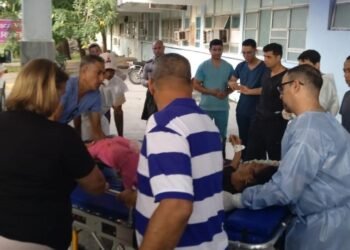
But courage, like the opportunistic stampede, also begins one day. Last week my friend’s daughter broke her leg. The ordeal that the family experienced, the number of “miles” (bills of one thousand Cuban pesos) that they had to spend along the way so that the girl could be treated with a certain dignity and have the necessary painkillers, made Abel say “this is it.” Now he is “with the dead man crossed” in his eyes, as the old people who ask for money in the streets say and remember sayings that we have already forgotten. In other words, my friend doesn’t care about eight or eighty; a tribute than a rally of repudiation.
Nobody asks me if I’m going to sign. No one asks us crazy people, babies and worms to put our name on anything.
In their workplace they have called to sign in a solemn act where the nation is supposed to be defended, but only the single Party, the family clan that controls us and an ancient ideology that stops the potential of millions of Cubans is being validated. Abel assures that he will not go. But I fear that the pressures and his plan to emigrate will make him give in. Imagining yourself “regulated”, like so many activists and independent journalists prevented from leaving the country, can end up breaking you.
Nobody asks me if I’m going to sign. To the crazy ones, the babies and the worms no one asks us to put our name on anything. My absence will probably not even be counted, because on this Island the lists of voters and signatories tend to adjust to the attendees while abstentions are hidden. In my building, those who signed that letter have also left the country in droves. mummification constitutional. Many of those who voted for the current Constitution no longer live in Cuba.
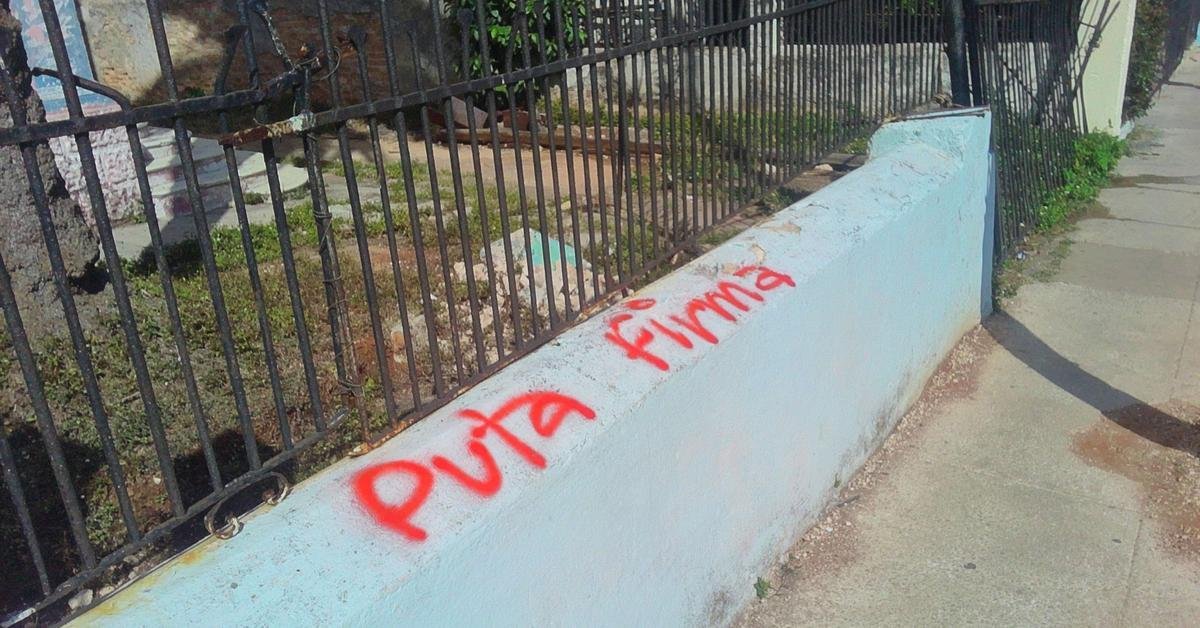
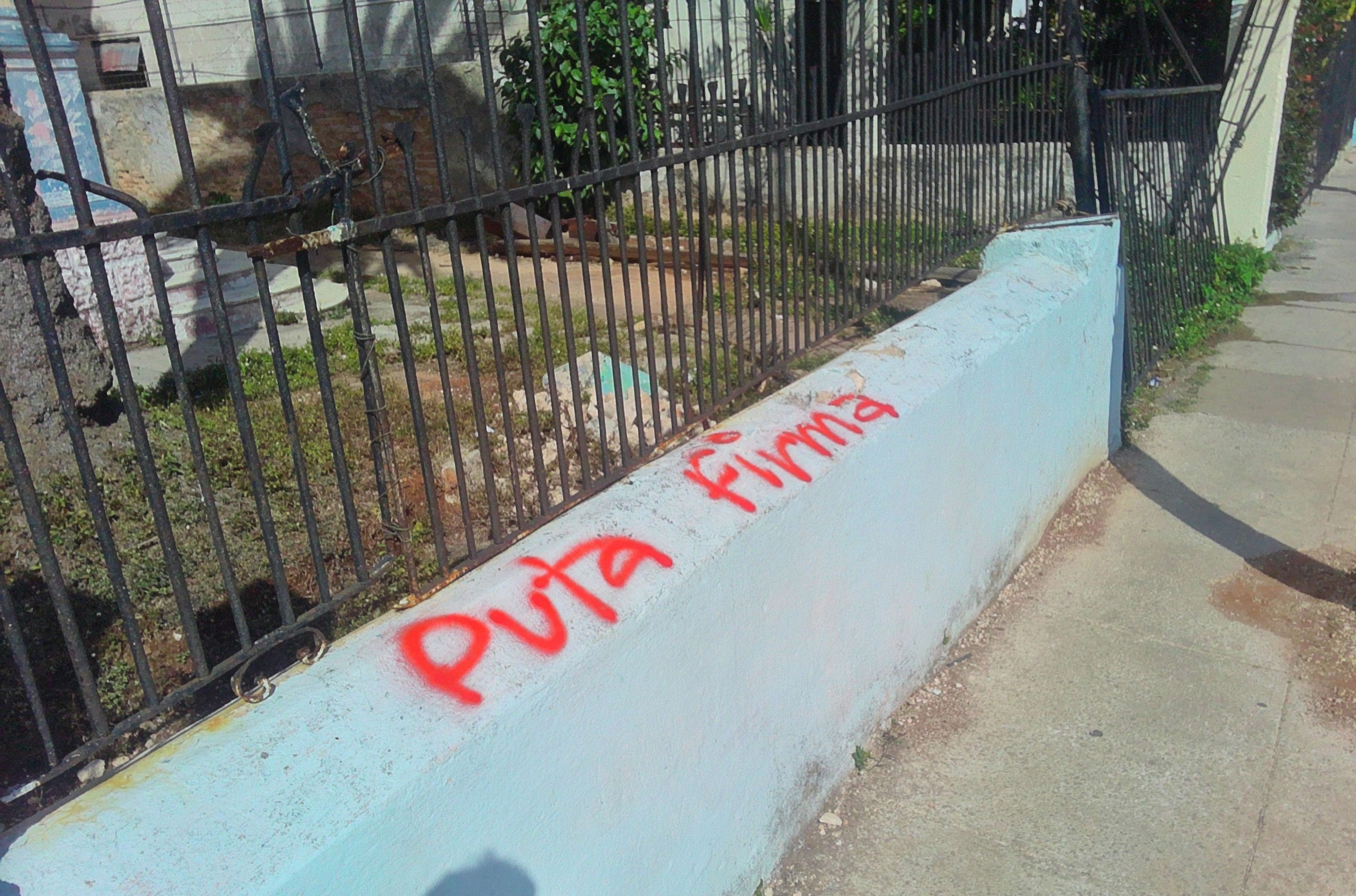
The worms Sometimes we are stubborn and we stay. A poster on a wall in El Vedado summarizes this whole story. On G Street, between 13th and Línea, someone has scribbled these days two words that sum it all up: “Fucking signature.” What does it matter who goes and who doesn’t leave their mark on those lists? What relevance does it have that there is electricity now if in a few days we will be swallowed up in darkness again? Is there anything more important than the sound of water when all the pipes are dry?