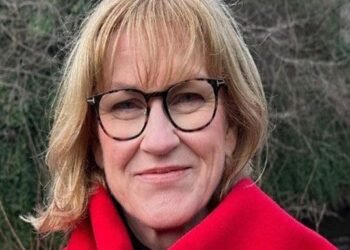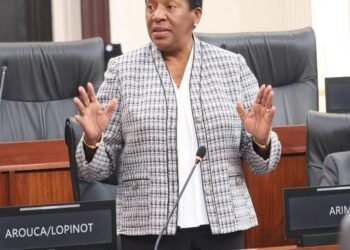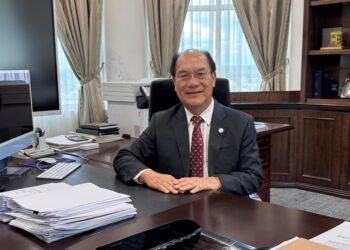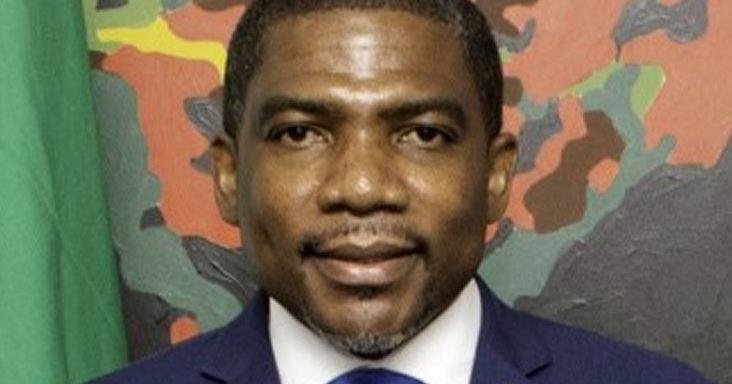
Caricom chairman and Prime Minister of St Kitts and Nevis Dr Terrance Drew’s response to Trinidad and Tobago’s concerns about the re-appointment of Secretary-General Dr Carla Barnett is not satisfactory.
So said Minister of Foreign and Caricom Affairs Sean Sobers at yesterday’s post-Cabinet news conference at the Diplomatic Centre, St Ann’s.
On March 25, 2026, Drew announced in a statement that the “required majority” of heads of government had agreed to reappoint Barnett for a second five-year term beginning in August 2026, when her current term concludes. The decision was taken at a retreat in Nevis held in February.
Sobers had written to Drew taking issue with the process, saying it was in breach of the Revised Treaty of Chaguaramas, as Trinidad and Tobago was not present and the matter was not an agenda item at that time. The minister had called on Drew to explain.
Further letters were also sent to the Caricom Secretary-General herself, seeking answers; as well as to Janice Miller, Chef de Cabinet, Office of the Secretary-General.
Sobers disclosed yesterday that, two weeks later, Drew responded via a letter to the Office of the Prime Minister.
Asked if the letter was satisfactory and addressed the concerns raised by T&T, Sobers responded: “Satisfactory? Respectfully, no. And that is why, based upon receiving the correspondence, which we are grateful for, although it took some time to receive, we have, in fact, prepared a missive which went out today.”
The minister said there were certain issues that were “extremely relevant and important” to respond to.
Asked by the Express whether it is the position of Trinidad and Tobago to have the reappointment process declared null and void, and a new process undertaken, Sobers said at this juncture T&T wants answers.
“We have certain questions that remain unanswered. I believe as soon as we get those responses, we can move forward in terms of what our next steps are,” he said.
He emphasised the Revised Treaty of Chaguaramas clearly sets out how the process should be carried out, and that did not occur.
Sobers also quelled concerns that Trinidad and Tobago is seeking to withdraw from Caricom.
“I would say to those persons—fear not, and perish that thought,” he said.
He said this country does not have a problem with Caricom, but with its operations, effectiveness and efficiency.
He said what transpired demonstrates Caricom is not operating effectively and efficiently.
Sobers reminded that T&T contributes 22% of Caricom’s annual budget and that this country would expect some courtesy with respect to decision-making processes, but that has not been provided for a long time.
Sobers also supported Prime Minister Kamla Persad-Bissessar’s stance demanding transparency and indicating this country would re-examine its Caricom allocation.
“I think is a fair retort to the discourteous behaviour that has been meted out to Trinidad and Tobago…the mere fact that the situation unravelled in the way in which it did, the mere fact that we received a telephone call about an agenda item that was not included, and an issue that was raised at a retreat where we were not present demonstrates then that something has to happen, something has to change. It cannot be business as usual,” he said.
Asked if T&T has a candidate for Secretary-General, Sobers said this country has no “horse in the race” and it would be for Cabinet to determine whether it would support Barnett, but the crux of the matter at present is the surreptitious process by which the reappointment was made.
Sobers noted Barnett’s tenure is set to end in August and that the reappointment could have been raised in April, when there is a virtual Heads of Government meeting scheduled, as well as at a meeting in St Lucia in July.
Questioned on Guyana’s President, Dr Irfaan Ali, saying the process to reappoint Barnett was bona fide, Sobers said Ali is entitled to his view.
“He is a President of a sovereign country and his views are his own. Our views are our own. We are a sovereign nation as well. In terms of procedure, consensus has not been reached.
“What consensus essentially means, as it is articulated by the treaty, is that all countries should agree,” he said.
“We have a problem when people don’t obey the revised treaty. We have a problem when people move surreptitiously, clandestinely, when they are disobedient, when they treat us with scant courtesy and disrespect; and then they leak things, allegedly, to members of the Opposition to cast suspicions on the operations of the Government,” he added.