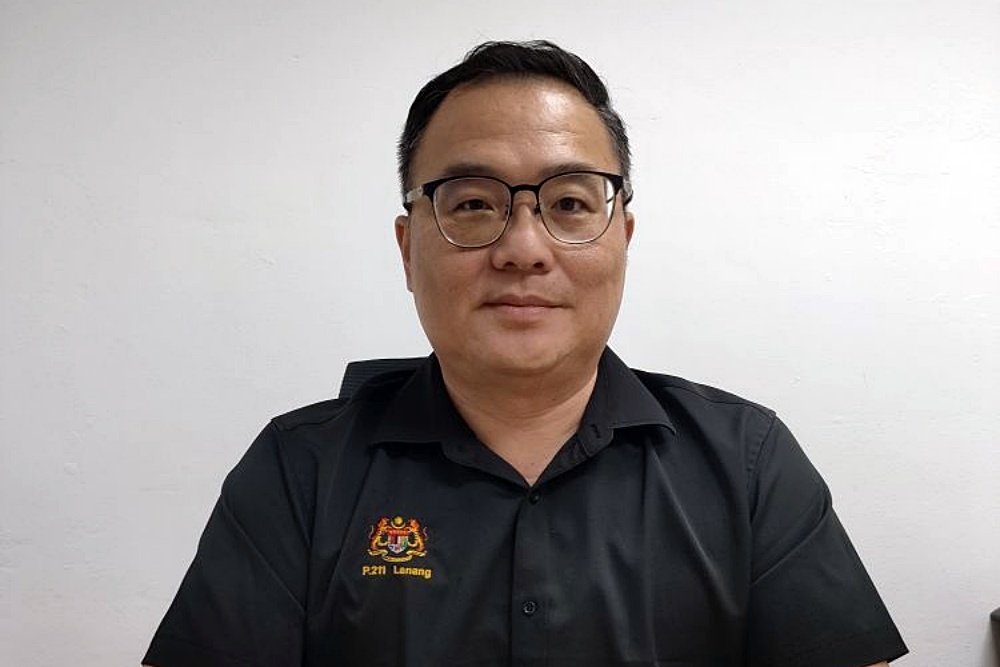

Chiew says this was to ensure the policy truly reflects the principles of fairness, justice and inclusiveness.
SIBU (July 2): The relevant authorities must consider religious organisations that provide public welfare services under the Budi Madani Diesel (Budi Diesel) initiative, said Democratic Action Party (DAP) Sarawak state committee member Stanley Chiew.
He said this was to ensure the policy truly reflects the principles of fairness, justice and inclusiveness.
“The government must not focus solely on figures and regulations when implementing subsidy reforms — it must also recognise the real needs of the grassroots,” he said in a statement.
Chiew said pickup trucks used by religious organisations were currently not included under the diesel subsidy scheme, which could affect the daily operations of these groups.
“Whether it is charitable relief work, community services, poverty alleviation efforts, transporting supplies or supporting activities in rural and interior areas, the vehicles used by these religious organisations serve public and humanitarian purposes.
“For many years, these groups have quietly shouldered social responsibilities that the government is unable to fully cover, playing a vital role in maintaining community harmony and spreading positive values.
“Such contributions should not be overlooked in policy making nor should they become casualties of the system,” he said.
He said if the diesel subsidy framework continues to exclude vehicles used for public welfare purposes, it would not only increase the operating costs of religious organisations but also weaken their ability to serve the needy.
On another matter, Chiew said the relevant authorities needed to expedite the release of a comprehensive application process for Budi Diesel involving company-owned vehicles.
He said relevant application mechanisms and clear guidelines had yet to be announced despite the expansion of Budi Diesel that allowed diesel-powered jeeps or pickup trucks registered under a business or company and classified under the “private business use” category to be eligible for subsidised diesel.
He said this had left many businesses uncertain about the process despite the policy already in effect.
“With the diesel price adjustment already in force, many small and medium sized enterprises are being forced to bear higher operating costs immediately, while the promised subsidy mechanism remains in limbo.
“This situation is highly unreasonable and has further increased the burden and difficulties faced by business operators. Any people-centric policy must be supported by a clear, timely, and practical implementation mechanism.
“Otherwise, even well intentioned policies will be significantly undermined by poor execution, with the public and business community ultimately bearing the consequences,” he said.