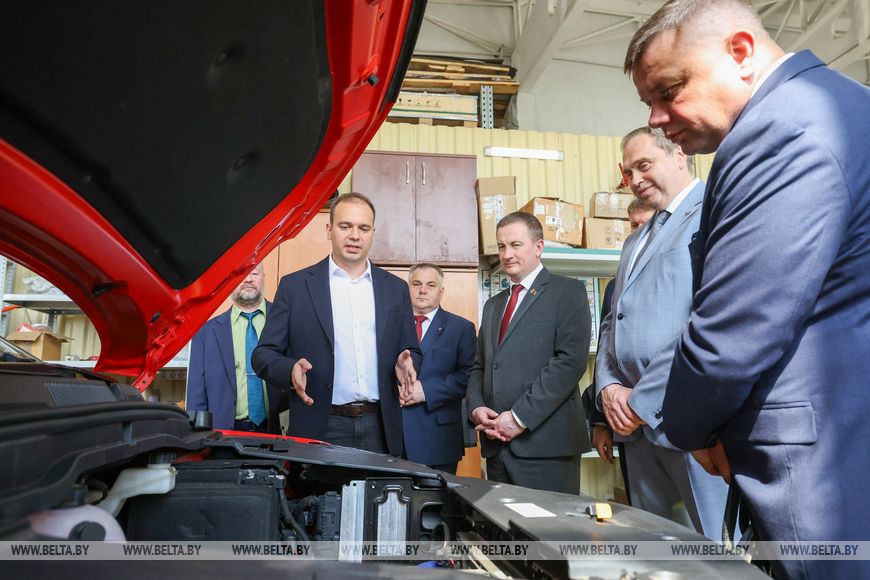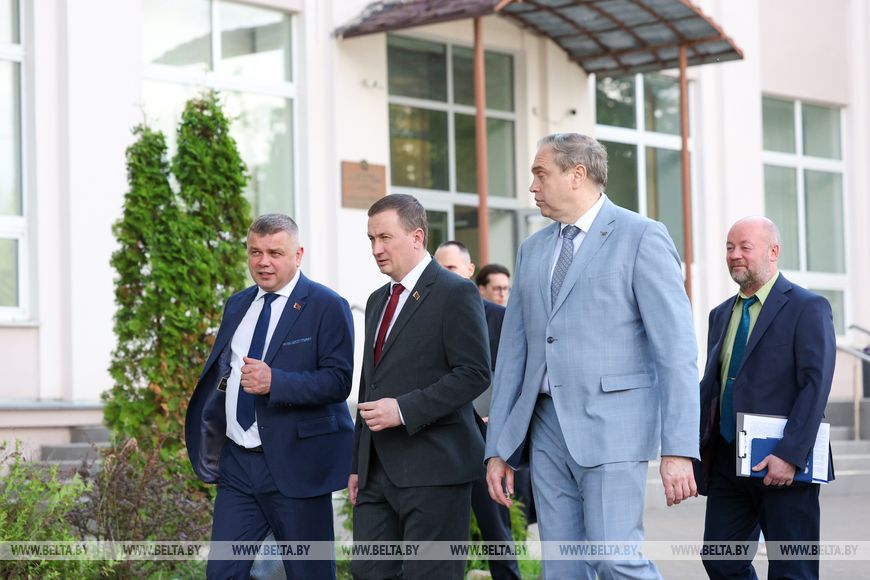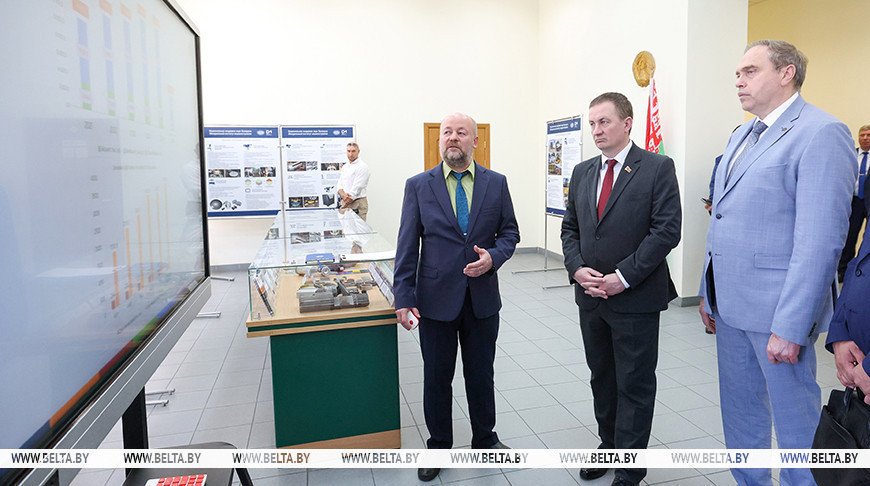
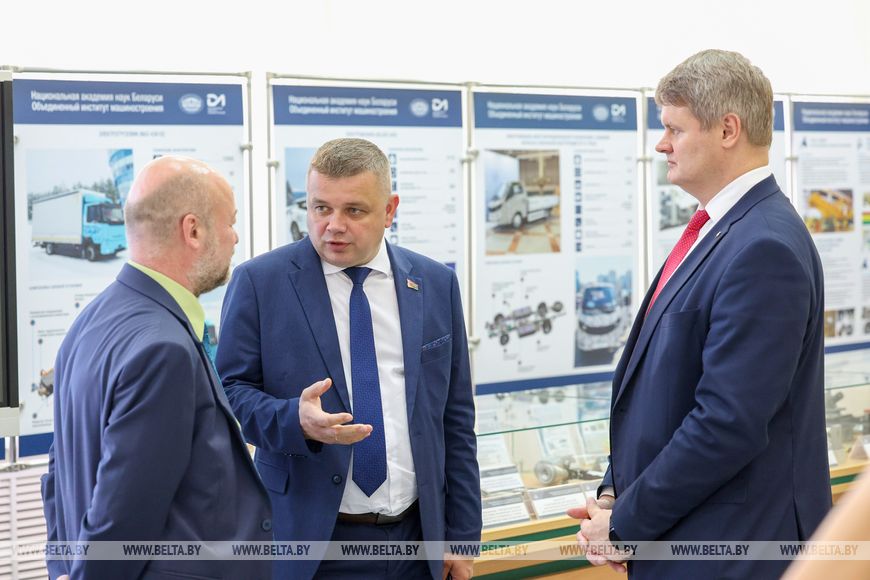
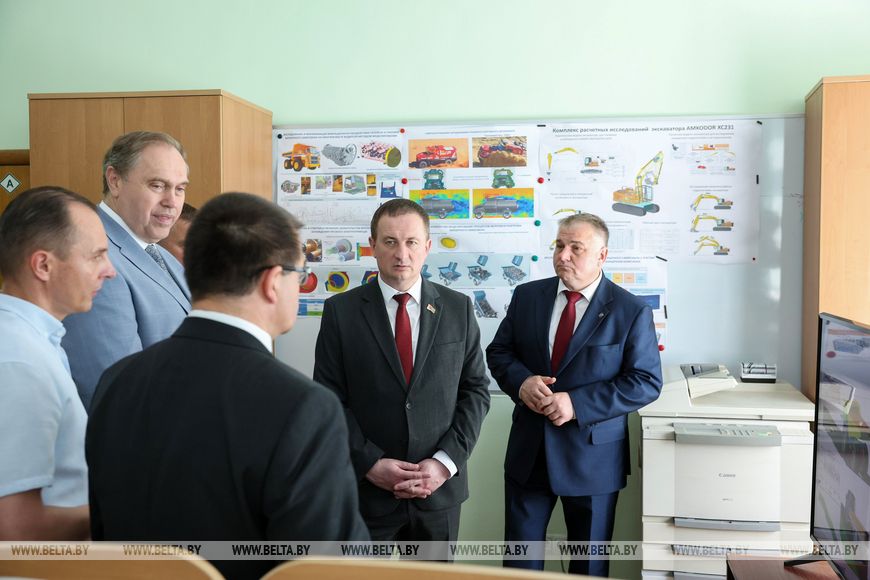
MINSK, 11 June (BelTA) – Prime Minister of Belarus Aleksandr Turchin visited the state scientific institution Joint Institute of Mechanical Engineering of the National Academy of Sciences of Belarus, BelTA has learned.
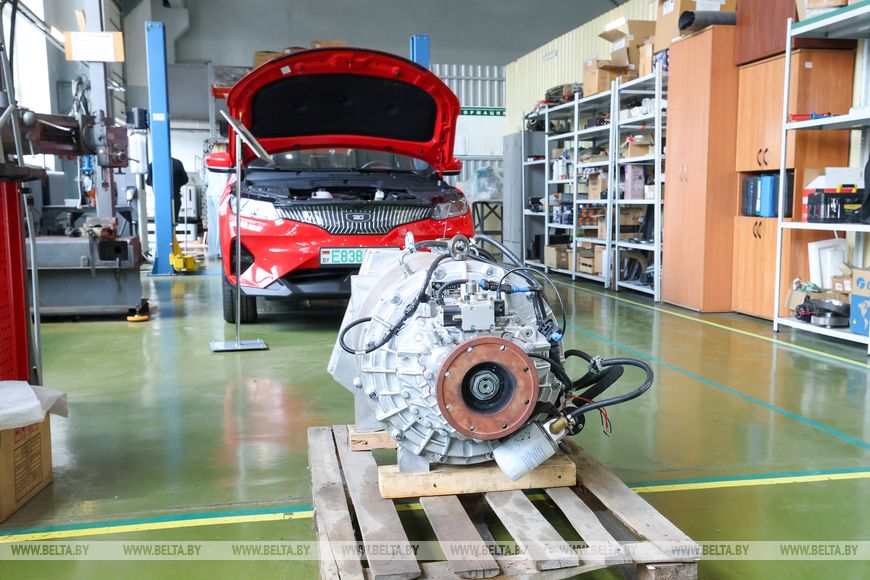
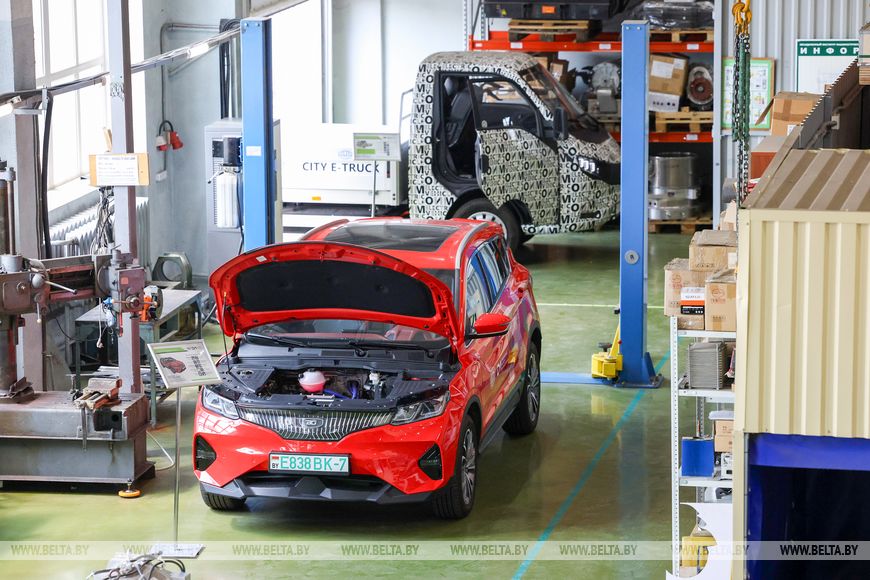
The prime minister was made familiar with the latest products developed by the institute and visited an experimental manufacturing division where he saw the pilot production of electric drive components. He also visited a lab that researches, designs, and tests mechanical engineering products.
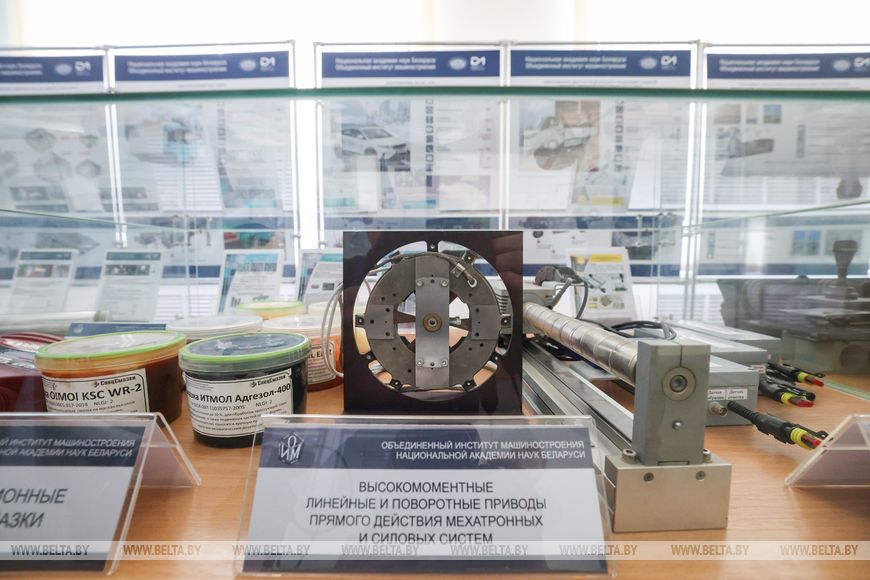
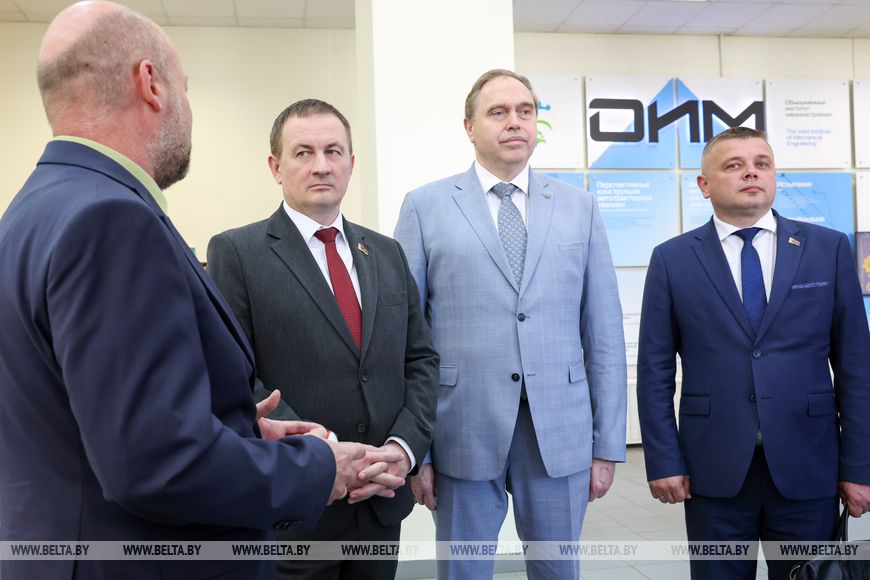
The Belarusian head of government gave instructions to improve the operation of the Joint Institute of Mechanical Engineering of the National Academy of Sciences of Belarus. The institute is supposed to act as a republican expert center in the field of mechanical engineering. One of the priorities is to step up the development and testing of unmanned ground transport, first and foremost, for the sake of robotizing the agriculture. Precision farming was mentioned. Much more vigorous introduction of unmanned tractors will begin in this field.
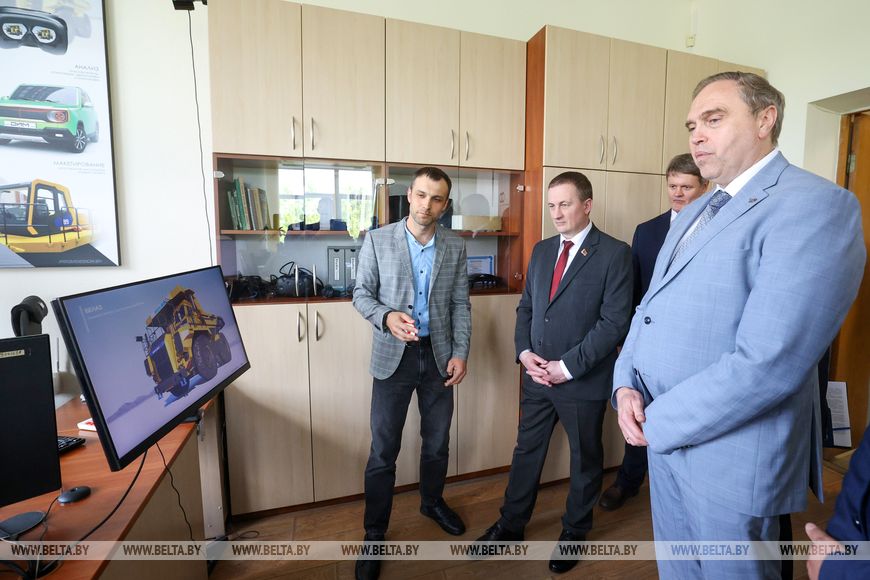
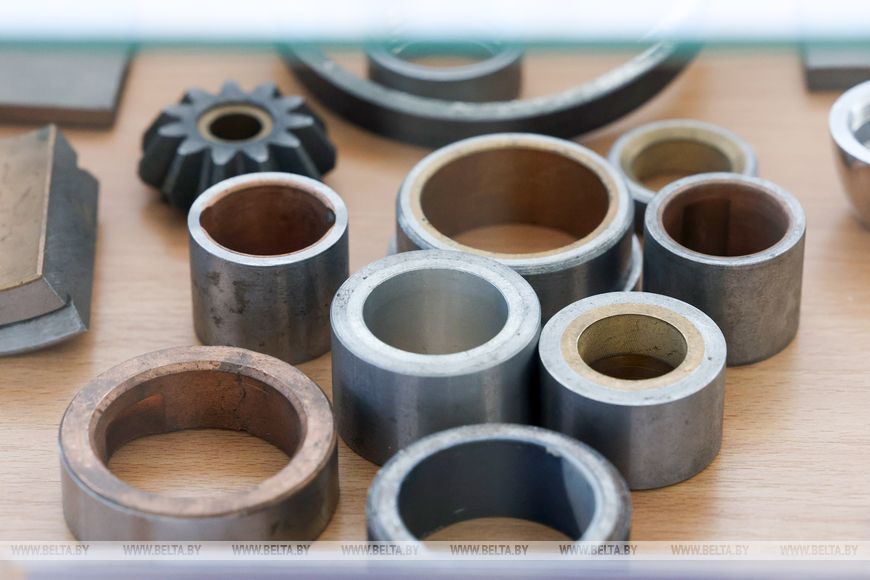
The Joint Institute of Mechanical Engineering of the National Academy of Sciences of Belarus is a significant scientific center in the country in the field of engineering science. Its work is aimed at providing scientific support for the operation of domestic mechanical engineering enterprises. Created in 2006, the institute’s research and development include efforts to create new and improve serial basic components and designs of vehicles made by MAZ, BelAZ, Belkommunmash, MZKT, and MTZ, to create electronic control and diagnostic systems, domestic electrical technologies for transport as well as at addressing problems of vehicle reliability and quality, new materials and technologies.
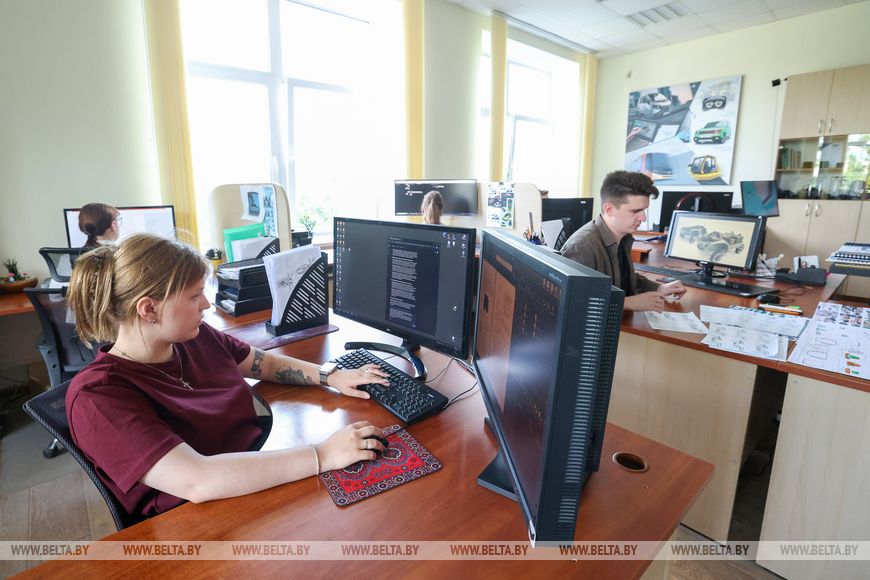
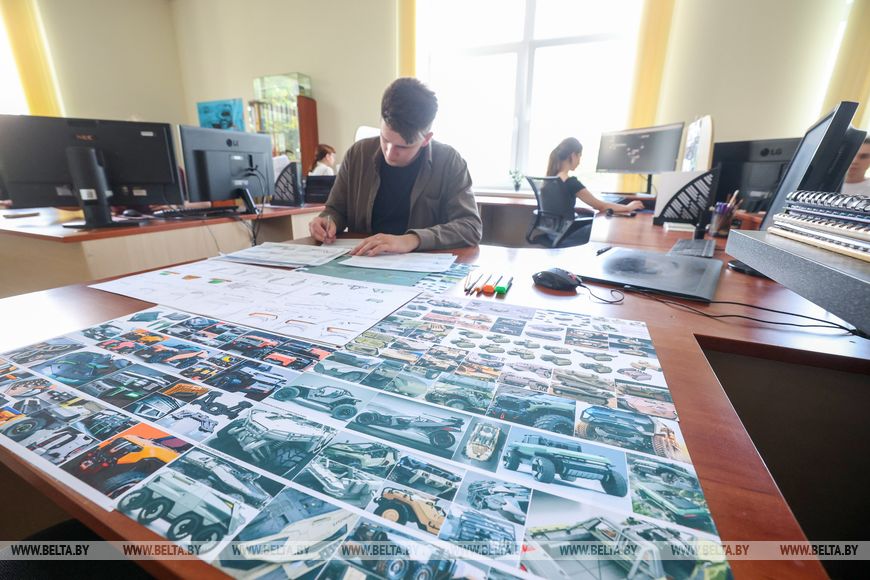
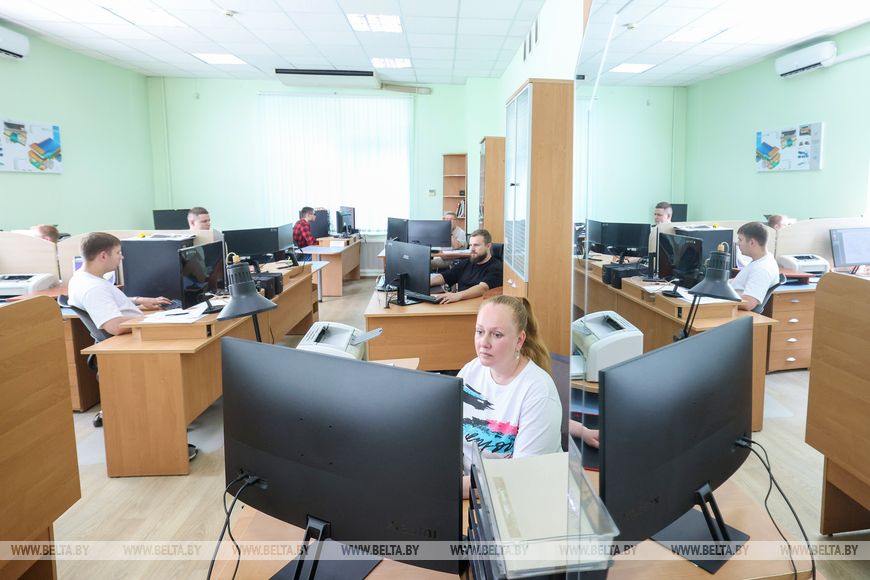
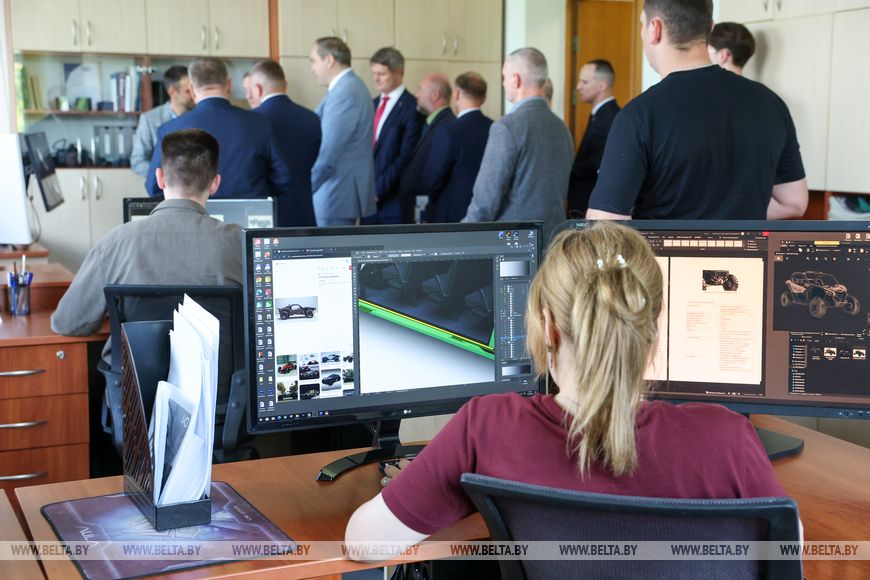
The institute consists of six scientific, technical and engineering centers: the republican computer center for mechanical engineering, the research and development center for agricultural mechanical engineering, the research and development center for mining equipment, the research and development center for mechanical engineering technologies and technological equipment, the research and development center for electromechanical and hybrid power units of mobile machines, and the research and development center serving as the republican proving ground for testing mobile machines. The republican computer center for mechanical engineering is intent on accomplishing the key task: developing and improving the efficiency of using modern computer technologies in the field of mechanical engineering. Specialists of the center perform scientific research, research and development, and experimental design efforts in the main areas: industrial design, engineering, calculations of strength, durability, dynamics and kinematics of structures, computer modeling and virtual testing, vehicle control systems as well as research and virtual certification testing of machines, vehicles, and components. The center comprises the industrial design department, the advanced development department, the modeling and virtual testing department, and the laboratory of mechanics of wear and fatigue damage.
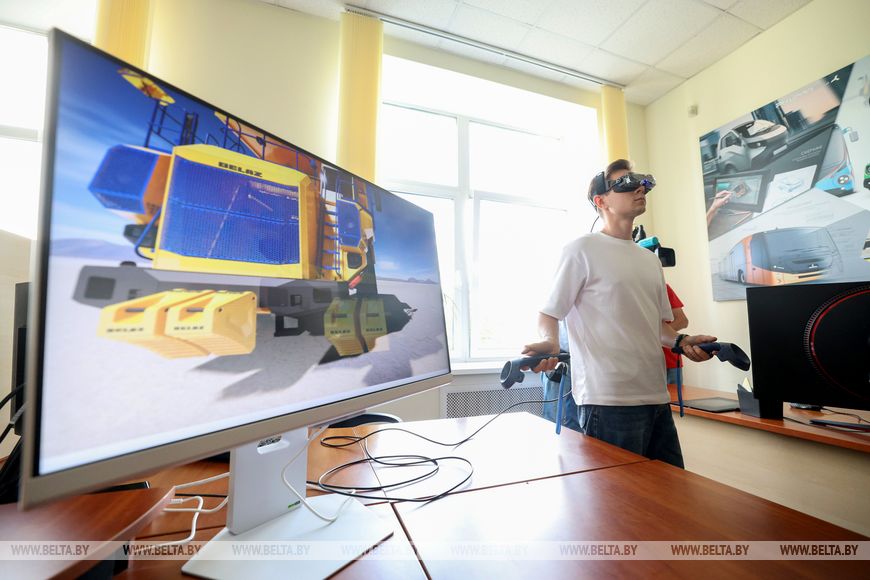
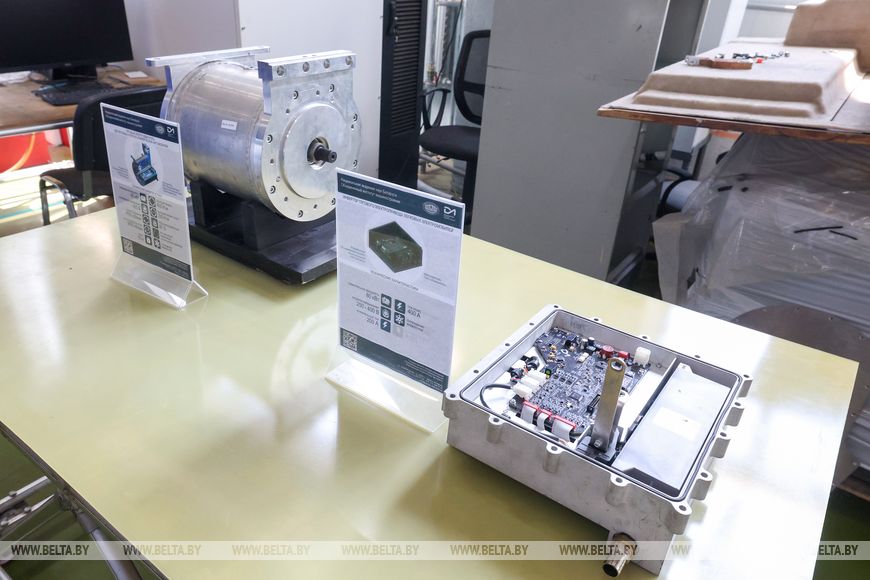
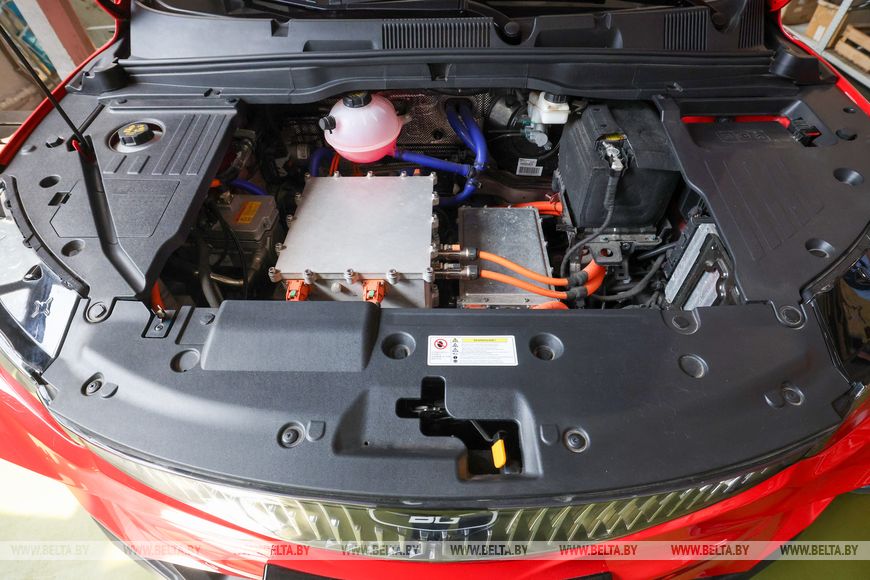
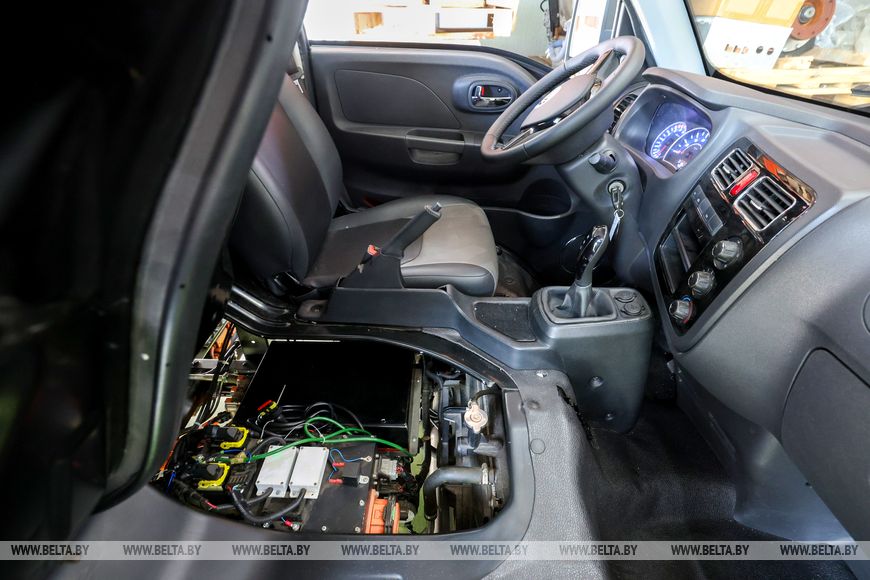
The main tasks of the research and development center for electromechanical and hybrid power units of mobile machines are the implementation of large-scale research and development efforts, pilot industrial testing, and launching the production of R&D results in the field of traction electric drive systems and upper-level control systems. The center comprises a lab that researches, designs, and tests electric vehicles and basic electric drive components, the industrial robotics department, the electromechanical components design department, the intelligent control systems department, and an experimental manufacturing division. The main areas of work include calculations, modeling, design, and testing of electric power units of mobile machines (electric motors, invertors, gearbox units, power and control electronics, electrical energy storage systems), the development of algorithmic and software support for controlling components of electromechanical and hybrid power units, and computer modeling of unmanned technological vehicles, manipulators, and mobile robots.
The financial and economic performance of the institute is characterized as stable. The total volume of the work completed in 2021-2025 grew by 1.7 times (from Br11.6 million to Br19.3 million).
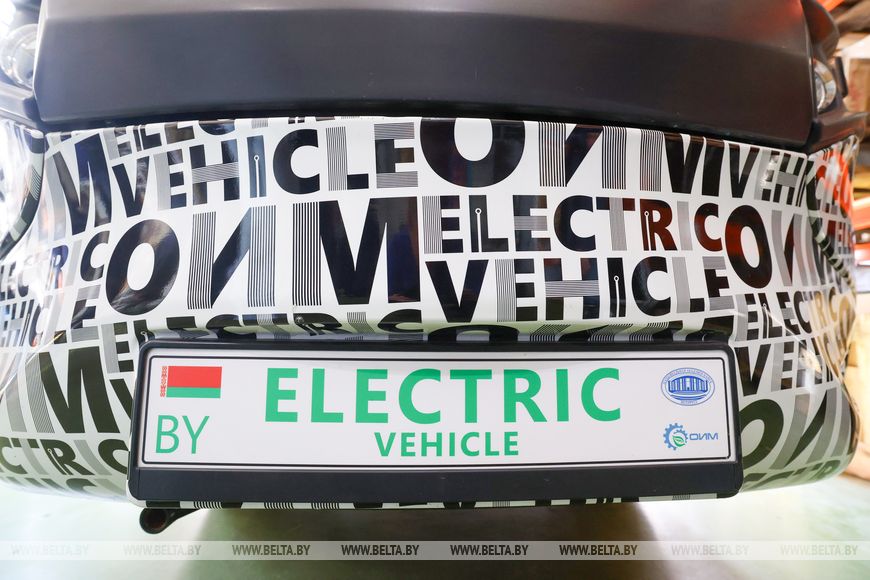
Among the significant products developed by the institute in 2021-2025 are a comprehensive methodology for digital design of vehicle structures by leveraging methods and tools of computer modeling, virtual testing and augmented reality technologies; a methodology for evaluating the residual operation life of gears in transmission systems based on the analysis of vibration processes in the mechanism; an onboard system for automated evaluation of the technical state of motor-wheel gearboxes of BelAZ haul trucks with wireless transmission of diagnostic data to the server of OAO BelAZ. Other examples include a 10kW electrical equipment system for the KL-418 ice resurfacer, a modular energy storage system based on lithium-containing cells for electric vehicles and stationary installations with the capacity of 22kW, an 80kW electrical equipment system for the BelGee eX50 passenger electric car, and a traction electric drive system for the front and rear axles as well as an electric drive system for the hydraulic system pump of the MoAZ-4057 with the output capacity of 300kW.