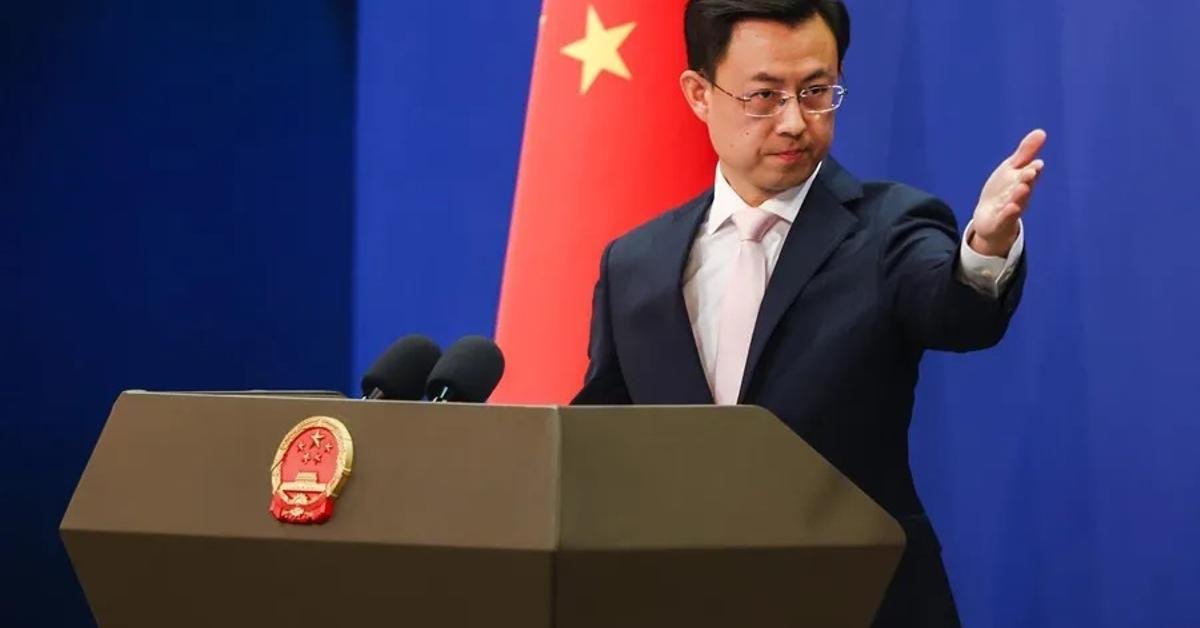
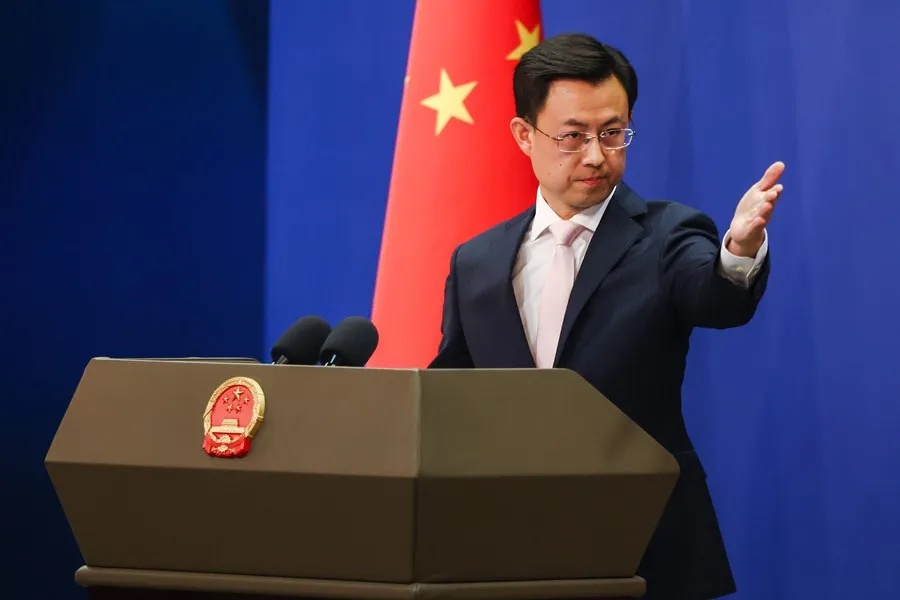
Beijing/The Chinese Government reaffirmed this Tuesday its “firm” support for Cuba in the “defense of its national sovereignty and security”, days after the US Government redoubled its sanctions against the Island, a movement that Beijing has called “unilateral” and “illegal.”
A spokesperson for the Chinese Foreign Ministry said in a statement that Washington has “further” intensified the imposition of “illegal unilateral sanctions” against Cuba, which “seriously violates the right of the Cuban people to survival and development” and “seriously violates the basic principles of international relations.”
“China firmly supports Cuba in defending its national sovereignty and security, resolutely opposes any interference in its internal affairs, and urges the US side to immediately end the blockade and sanctions against Cuba, as well as any form of coercion and pressure,” the spokesperson stressed.
The front that Beijing opens with the United States over the Cuba issue adds to the warning that Washington made at the end of April, when it said that it “will not tolerate” military bases and intelligence centers of its “adversaries” on the Island – in reference to China –, while Havana affirmed that these accusations are only “false pretexts” to try to justify a possible intervention, once again straining bilateral relations.
The United States “will not tolerate” military bases and intelligence centers of its “adversaries” on the Island
These statements from the United States once again influenced one of the arguments that US President Donald Trump used, expressly pointing out China, to put together the executive order of January 29 that declared the Island an “unusual and extraordinary threat,” and establish the oil blockade against Havana.
For this reason, the US Secretary of State, Marco Rubio, warned last Tuesday in an interview with the US network Fox News about the presence of intelligence services and military bases of “adversaries” and warned that his Government was not going to allow it 145 kilometers from its territory.
Meanwhile, China has become a lifeline for Havana in recent years. Just last January, Chinese President Xi Jinping approved a popup help to Cuba that includes financial assistance of 80 million dollars and a donation of 60,000 tons of rice.
The Administration of US President Donald Trump increased its sanctions against Cuba last Friday, with measures that target the pillars of its economy, especially the energy, defense, mining and financial services sectors.
Washington has maintained an oil blockade on the island since last January, while Trump and other senior officials in his government have defended on several occasions the need for regime change in Cuba.