When we think of bees, we usually think of flowers, nectar, and the sweet ‘buzz’ sound. But scientists are increasingly discovering that these little insects lead much more complicated lives than we thought! It turns out that bees are not only able to recognize visual images and learn from experience, but even make simple decisions previously attributed only to more advanced animals. And this begs the question – how “smart” is the bee?
Bees and ‘face recognition’
Studies have shown that bees are able to distinguish between different images and recognize certain visual patterns that resemble faces. Although their brains are very small, they are able to process complex visual signals and remember them.
This means that bees not only respond to instinct, but also use a learning process to adapt to their environment.
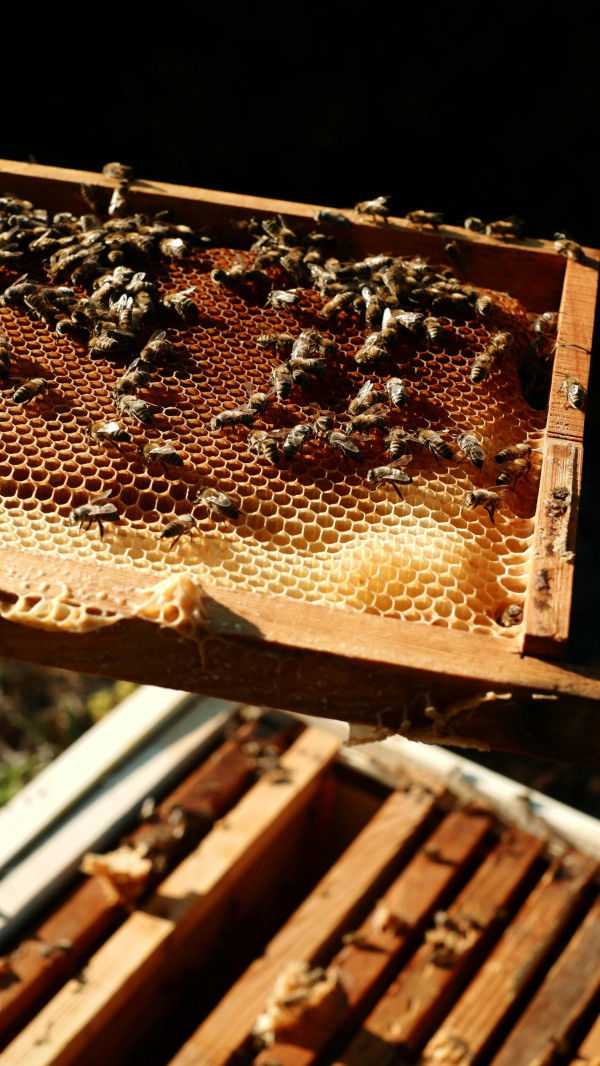
Learning and memory – amazing abilities
Even more interesting is that bees can learn from experience. For example, they can:
- remember which flowers contain nectar
- avoid “bad experience” places
- adjust your behavior depending on the situation
This means that bees make simple but effective decisions that help them survive and optimize their energy consumption.
According to research published in the journal Nature, bees and other insects demonstrate much more complex cognitive abilities than previously thought, including learning and memory formation.
Why is this so important?
These discoveries are changing the way we look at the insect world. For a long time, insects were thought to act purely by instinct, with no real ‘thinking’, but scientists are now increasingly realizing that complex behavior is possible even with a very small brain structure.
It also helps:
- better understanding of ecosystems
- improve bee protection
- develop new robotics and AI models inspired by nature
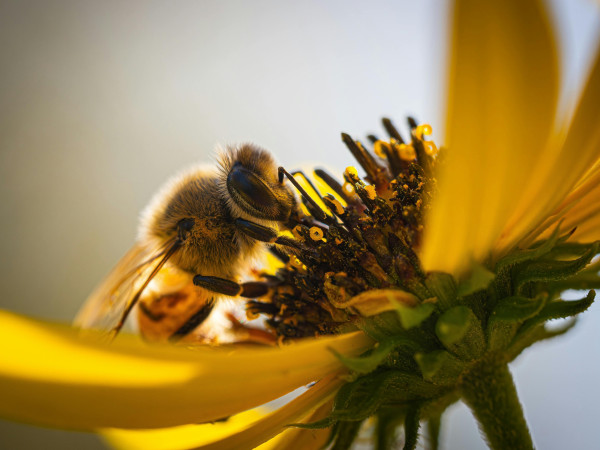
Bees as little “engineers”
It is interesting that bee behavior has long inspired the world of technology as well. Their efficient work, route selection and cooperation in the hive are studied to improve algorithms and artificial intelligence.
For example, the “flight logic” of bees has inspired the so-called bee algorithm (bee algorithm), which is used in logistics and optimization of delivery routes – similar to how bees search for the shortest and most energy-efficient path between flowers, computer programs with this approach can also find the most effective solutions to complex problems, such as planning product deliveries or improving the operation of data networks.
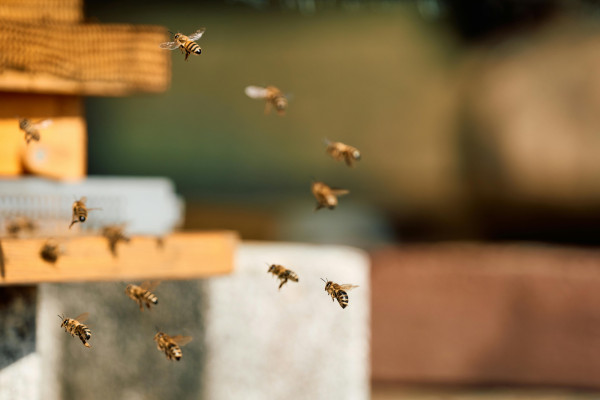
Did you know?
Bees are able to communicate with each other with a special “dance language” – when the worker bee finds a rich source of nectar, it returns to the hive and performs certain movements, the so-called “waggle dance”. These movements accurately indicate both the direction and the distance to the flowers to the other bees, meaning that the bees literally ‘map’ the surroundings and pass this information on without any sound signals.
Amazingly, bees can detect even very weak electric fields produced by flowers. This ability helps them determine which flowers have already been visited and which still have nectar. This makes the feeding process much more efficient and allows the bees not to waste unnecessary energy.
Also, studies show that bees can remember the location of flowers for several days, and in some cases even longer, which means that their navigation and memory abilities are sufficiently developed to make decisions on a daily basis that maximize survival and work efficiency.
Bees can no longer be considered just instinctive insects. They are small, but amazingly smart “workers” of nature, capable of learning, remembering and adapting, and perhaps it is these wonders of the small world that help us better understand how complex the nature around us really is.