Austria has secured a two-year seat on the UN Security Council for the period 2027 and 2028, winning enough votes in the first round to leave Germany without a seat. The election is considered a significant diplomatic success that will allow Vienna to participate directly in decision-making on the world’s most important security issues.
Austria will be a member of the United Nations Security Council for the fourth time in its history after securing enough support for the 2027 and 2028 mandate in the General Assembly vote in New York. The country won 131 votes and exceeded the required two-thirds support of 127 votes, avoiding a second round of voting. Together with Austria, Portugal was elected with 134 votes, while Germany was left without a place with 104 votes. The election is considered a significant diplomatic success for Vienna and a confirmation of the long-term foreign policy campaign that Austria has led among the member states of the world organization.
A diplomatic victory for Vienna
The result of the vote brought great relief to the Austrian delegation, which closely followed the numbers coming from the General Assembly hall. According to Austrian officials, the uncertainty was particularly pronounced after it became clear that Portugal had achieved a very strong result. However, the announcement of the number of 131 votes for Austria caused great celebration among the country’s diplomats and representatives in New York.
The Minister of Foreign Affairs, Beate Meinl Reisinger, considered that the election is proof that the effort invested in recent years has produced concrete results. She emphasized that Austria will again participate in the processes where decisions are made about peace, security and stability in the world. According to her, the membership campaign enabled the country to build a wide network of contacts and partnerships on the international scene.
Austrian diplomacy will now begin intensive preparations for taking office in 2027. Staff reinforcement of the diplomatic mission in New York was also announced in order to be able to successfully respond to the obligations brought by membership in the most powerful body of the United Nations. The government believes that the additional costs will be justified through greater political influence, international visibility and new economic opportunities.
Support from the government, reservations from the opposition
The Austrian head of state welcomed the election as a significant recognition of the country’s role in international politics. Chancellor Christian Stocker assessed that this was a great diplomatic success and emphasized that Austria remains a voice for dialogue, cooperation and respect for international law. According to him, during numerous global crises it is especially important to preserve the order based on rules and international agreements.
Similar messages were sent by President Alexander Van der Bellen and Vice Chancellor Andreas Babler. They emphasized that the new role also carries great responsibility, especially at a time when the world is facing armed conflicts, humanitarian crises and growing geopolitical tensions.
On the other hand, the opposition FPO expressed caution. According to their representatives, membership in the Security Council will be a test of Austrian neutrality and any vote in the future will be closely watched. The Greens, on the other hand, welcomed the choice, but demanded that Austria consistently advocate for respect for international humanitarian law and for the protection of the civilian population in conflict areas.
German disillusionment and a new role for Austria
The biggest loser in the elections was Germany, which failed to secure sufficient support and remained behind Austria and Portugal. German Foreign Minister Johann Wadefuhl said he had no intention of resigning over the result. According to him, one of the reasons for the failure is the late inclusion of Germany in the election race, while Austria and Portugal have been building their support for a long time.
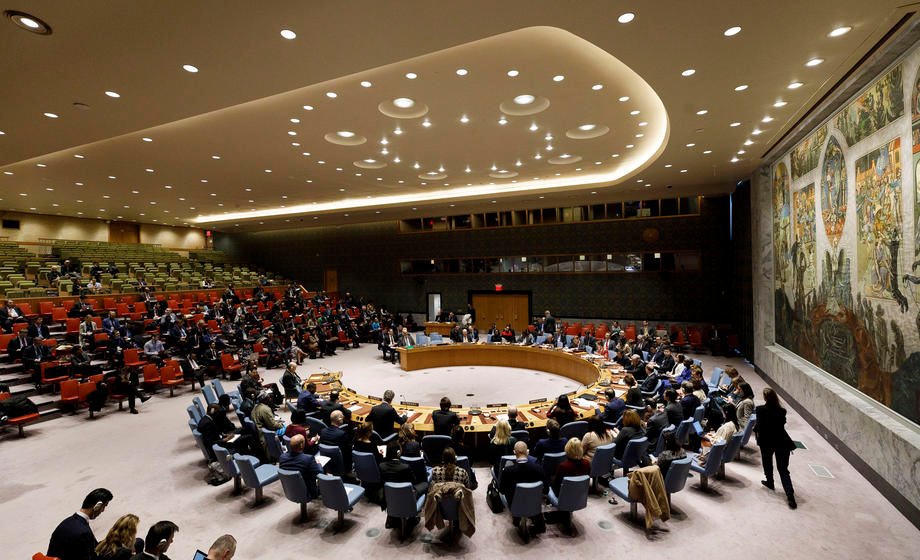
The Security Council has 15 members, five of which are permanent, the United States, Russia, China, France and Great Britain. They have the right of veto and can block any decision. The remaining ten positions are filled through election for a two-year term. The Council makes legally binding decisions related to international peace and security, which gives it exceptional influence in the United Nations system. For Austria, the new mandate represents an opportunity to once again participate in solving key world issues and strengthen its diplomatic presence on the global stage.