-The Ministry of Communication Technologies participates with a pavilion in the 40th session of the Tunis International Book Fair.
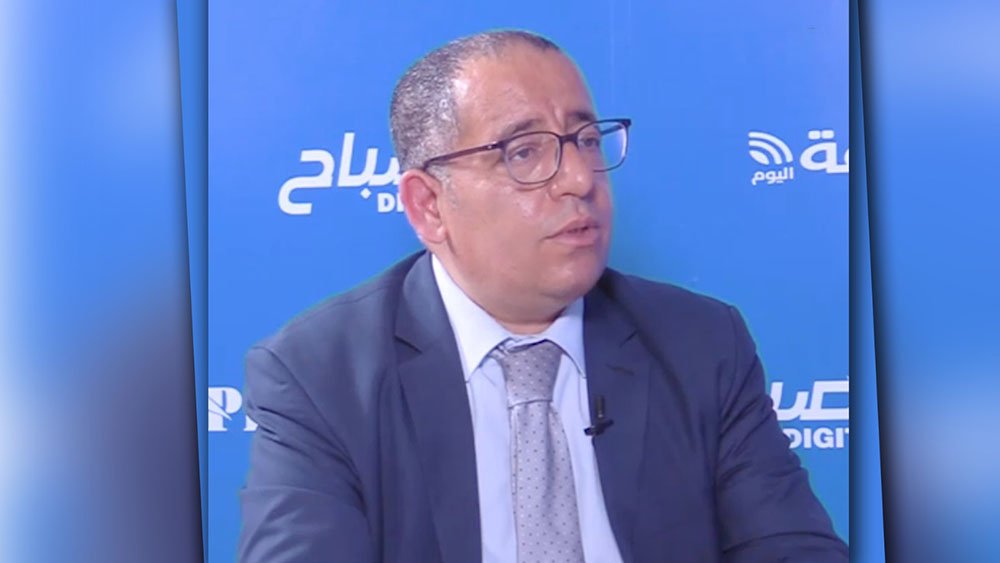
Wissam Al-Makki, Director of the Digital Economy at the Ministry of Communication Technologies, said in an interview with “Al-Sabah News” that the Ministry has included in its tradition of participating regularly in the Tunis International Book Fair, by establishing a pavilion in which a number of emerging institutions are incubated, which are selected according to a request for nominations on the basis of criteria that are determined in advance and within the framework of a competition and selection of emerging institutions that have ready-made products to enable them to further introduce these products directly to the groups targeted by these products.
He added that in this session, 12 emerging institutions were enabled to participate in the pavilion of the Ministry of Communication Technologies, offering three types of products and solutions related mainly to digital educational content, to pedagogical mechanisms and media for education, including methods and media that can target groups of children with special needs to help them learn, in addition to emerging institutions that provide solutions and applications in the field of the cultural creative industry.
The Ministry of Communication Technologies is responsible for developing and implementing national policies for digital transformation, developing infrastructure, and supporting innovation, as the digital economy in Tunisia is witnessing rapid strategic development as a pillar of growth, as the national plan “Tunisia 2025” and the directions towards 2026 aim to comprehensively digitize administration, support startups, and promote smart innovation, as the Ministry leads the “Tunisia Startup Act” initiative to support startups, encourage investment, and facilitate legal procedures for innovative technological projects in various fields.
Start-up companies law and incentive measures
Regarding the Startup Act and the incentive measures it provides for founders and investors, including assigning the “Startup” label, our interlocutor stated that the Startup Law falls within the scope of the “Startup Tunisia” general program, which is one of the three components of the Startup Program, according to which companies that offer innovative solutions that are extremely economically viable (Startup Act) are assigned, as these demands are deposited on an electronic portal with the aim of obtaining this mark. As a single suitor.
The second component of the “Emerging Tunisia” program, according to Wissam El-Makki, is to accompany emerging enterprises, pointing in this context to the participation recorded in the pavilion of the Ministry of Communication Technologies at the book fair, where the Ministry provides mechanisms and capabilities that enable emerging enterprises to obtain broader opportunities to present products and promote them directly with the target groups.
Regarding the third component of the program, Al-Makki said that it relates to supporting financing for emerging institutions through investment funds that directly target investment in these institutions, as the volume of financing for institutions that obtained the emerging institution label within the “Emerging Tunisia” program amounted to more than 60 million euros through an investment fund specialized in financing.
As for the number of startups that received the “Emerging Enterprise” label, he stated that it exceeded 1,300 startups.
Follow up and develop the “Emerging Tunisia” program
In a related context, the “Emerging Tunisia” program includes competitions and courses for awarding merit marks, where hundreds of marks have been awarded to companies specializing in artificial intelligence, digital education, and smart agriculture. The Ministry also supports the presence of Tunisian emerging companies in international forums. The Ministry also supervises workshops to follow up and develop the “Emerging Tunisia” program.
Here, the Director of the Digital Economy, Wissam Al-Makki, said that follow-up and accompaniment is done first by enabling these institutions to further promote their products at the national level by ensuring and supporting their participation in events of national importance, such as the “Tunisia Digital Summit” book fair and demonstration (TDS), which was organized recently, or also securing their participation in international demonstrations specialized in supporting emerging institutions.
Privacy of the “Emerging Tunisia” program
On the other hand, Al-Makki spoke about the specificity of the “Emerging Tunisia” program and the “Emerging Enterprises” law, which is characterized by digital procedures represented by accessing an electronic portal and submitting the application for candidacy digitally through this portal, adding that after obtaining the mark, the beneficiary enjoys several privileges, including for the promoter obtaining a holiday to launch the start-up, and a grant for the start-up for a year, in addition to financial and tax privileges for the benefit of the company that benefits from the mark, such as an exemption from the corporate tax, The state guarantees the contribution of customs and procedures to the legal system of social security, the possibility of obtaining the status of an approved economic operator in order to facilitate customs procedures when importing and exporting, the possibility of opening an account in hard currency with a bank or postal institution in order to facilitate international financial transactions for this emerging institution, as well as motivating investors to pump their money into the capital of emerging institutions to enable them to access financing, especially by enabling them to obtain tax exemptions, a tax offering for their contribution, and a mechanism to guarantee their contribution to the emerging institutions.
Abeer Trabelsi
-The Ministry of Communication Technologies participates with a pavilion in the 40th session of the Tunis International Book Fair.
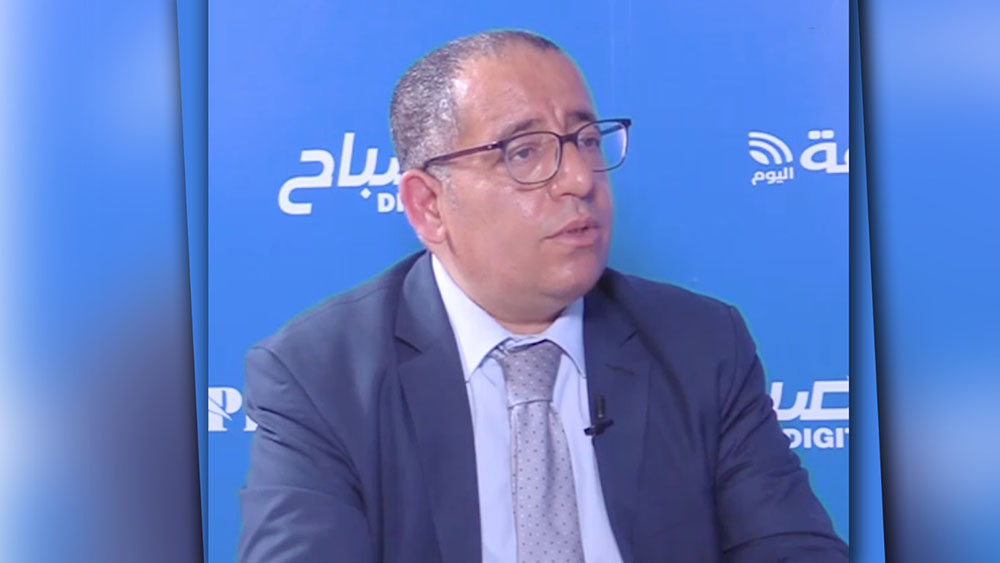
Wissam Al-Makki, Director of the Digital Economy at the Ministry of Communication Technologies, said in an interview with “Al-Sabah News” that the Ministry has included in its tradition of participating regularly in the Tunis International Book Fair, by establishing a pavilion in which a number of emerging institutions are incubated, which are selected according to a request for nominations on the basis of criteria that are determined in advance and within the framework of a competition and selection of emerging institutions that have ready-made products to enable them to further introduce these products directly to the groups targeted by these products.
He added that in this session, 12 emerging institutions were enabled to participate in the pavilion of the Ministry of Communication Technologies, offering three types of products and solutions related mainly to digital educational content, to pedagogical mechanisms and media for education, including methods and media that can target groups of children with special needs to help them learn, in addition to emerging institutions that provide solutions and applications in the field of the cultural creative industry.
The Ministry of Communication Technologies is responsible for developing and implementing national policies for digital transformation, developing infrastructure, and supporting innovation, as the digital economy in Tunisia is witnessing rapid strategic development as a pillar of growth, as the national plan “Tunisia 2025” and the directions towards 2026 aim to comprehensively digitize administration, support startups, and promote smart innovation, as the Ministry leads the “Tunisia Startup Act” initiative to support startups, encourage investment, and facilitate legal procedures for innovative technological projects in various fields.
Start-up companies law and incentive measures
Regarding the Startup Act and the incentive measures it provides for founders and investors, including assigning the “Startup” label, our interlocutor stated that the Startup Law falls within the scope of the “Startup Tunisia” general program, which is one of the three components of the Startup Program, according to which companies that offer innovative solutions that are extremely economically viable (Startup Act) are assigned, as these demands are deposited on an electronic portal with the aim of obtaining this mark. As a single suitor.
The second component of the “Emerging Tunisia” program, according to Wissam El-Makki, is to accompany emerging enterprises, pointing in this context to the participation recorded in the pavilion of the Ministry of Communication Technologies at the book fair, where the Ministry provides mechanisms and capabilities that enable emerging enterprises to obtain broader opportunities to present products and promote them directly with the target groups.
Regarding the third component of the program, Al-Makki said that it relates to supporting financing for emerging institutions through investment funds that directly target investment in these institutions, as the volume of financing for institutions that obtained the emerging institution label within the “Emerging Tunisia” program amounted to more than 60 million euros through an investment fund specialized in financing.
As for the number of startups that received the “Emerging Enterprise” label, he stated that it exceeded 1,300 startups.
Follow up and develop the “Emerging Tunisia” program
In a related context, the “Emerging Tunisia” program includes competitions and courses for awarding merit marks, where hundreds of marks have been awarded to companies specializing in artificial intelligence, digital education, and smart agriculture. The Ministry also supports the presence of Tunisian emerging companies in international forums. The Ministry also supervises workshops to follow up and develop the “Emerging Tunisia” program.
Here, the Director of the Digital Economy, Wissam Al-Makki, said that follow-up and accompaniment is done first by enabling these institutions to further promote their products at the national level by ensuring and supporting their participation in events of national importance, such as the “Tunisia Digital Summit” book fair and demonstration (TDS), which was organized recently, or also securing their participation in international demonstrations specialized in supporting emerging institutions.
Privacy of the “Emerging Tunisia” program
On the other hand, Al-Makki spoke about the specificity of the “Emerging Tunisia” program and the “Emerging Enterprises” law, which is characterized by digital procedures represented by accessing an electronic portal and submitting the application for candidacy digitally through this portal, adding that after obtaining the mark, the beneficiary enjoys several privileges, including for the promoter obtaining a holiday to launch the start-up, and a grant for the start-up for a year, in addition to financial and tax privileges for the benefit of the company that benefits from the mark, such as an exemption from the corporate tax, The state guarantees the contribution of customs and procedures to the legal system of social security, the possibility of obtaining the status of an approved economic operator in order to facilitate customs procedures when importing and exporting, the possibility of opening an account in hard currency with a bank or postal institution in order to facilitate international financial transactions for this emerging institution, as well as motivating investors to pump their money into the capital of emerging institutions to enable them to access financing, especially by enabling them to obtain tax exemptions, a tax offering for their contribution, and a mechanism to guarantee their contribution to the emerging institutions.
Abeer Trabelsi