Integrative approach
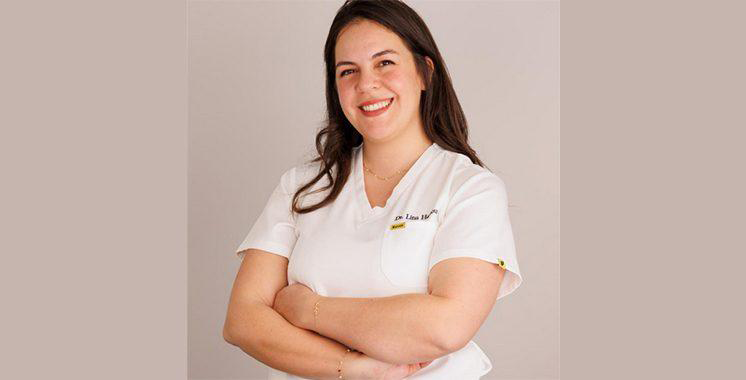
Orthodontics is often seen through the prism of smile aesthetics. However, behind braces and dental alignments lie much broader health issues. In this interview, Dr Lina Hamoumi, orthodontist, discusses the medical purpose of her specialty, the importance of early detection, as well as the technological and human developments which are transforming orthodontic practice today.
ALM : Orthodontics is often associated with aesthetics. What do you think is its true medical purpose?
Lina Hamoumi : Firstly, better health of the teeth and gums, because well-aligned teeth are much easier to clean on a daily basis than overlapped teeth, with better longevity. They also allow efficient chewing of food, essential for good digestion. Finally, well-aligned and balanced dental arches allow good functioning of the jaw joints which also contribute to the postural balance of the body.
Can we speak today of a public health issue in terms of orthodontics in children?
Yes, absolutely. It is important to treat jaw imbalances in young children for better oral health in adulthood.
At what age do you recommend a first consultation and why is this decisive?
The WHO recommends a first orthodontic visit at the age of 7 and before this age if parents notice jaw deformity. At this age, we are in the preventive period, we can put in place simple measures for good facial growth.
What are the main risks of untreated dental misalignment?
Firstly, we note the risks of dental caries and inflammation of the gums, then difficulties in chewing and pronouncing and finally general posture problems.
How is childhood a key period for intervening on jaw growth?
Because the growth rate is important in children, we can easily redirect the growth of the jaws in the right direction.
What difference do you make between orthodontics and dentofacial orthopedics?
It is important to distinguish that orthodontics corrects the position of the teeth, while dentofacial orthopedics corrects growth defects of the jaws.
Is patient demand today driven more by aesthetics than functionality?
Demand is often driven by both. Today, patients are increasingly aware that the health of their teeth begins with good dental alignment.
Have new technologies profoundly transformed your practice?
Absolutely, they are essential from diagnosis until the end of treatment
Do these innovations mainly bring comfort, precision or another form of progress?
They certainly provide more comfort for both the patient and the practitioner: invisible equipment, very comfortable, shorter treatment duration, fewer treatment appointments.
But above all, more precision in orthodontic treatments, since the practitioner plans all dental movements using 3D software, and validates the treatment plan on his screen before carrying it out in the mouth.
They also allow better communication between practitioner and patient, thanks to end-of-treatment simulations of teeth and smiles.
What place does human relations occupy in an often long orthodontic treatment?
I would say it is essential! Patient compliance during treatment is directly linked to the quality of the therapeutic relationship with their practitioner and the trust they place in them.
Does access to orthodontic care remain a challenge for some families?
Indeed, this is the case, especially when medical coverage does not reimburse the entire cost of treatment or when the patient has exceeded the age limit for coverage set by their insurance.
Basically, what is a “beautiful smile” today: a question of aesthetics or a real health issue?
Both. A beautiful smile is a reflection of good oral health: eating well, breathing well and speaking well every day.
You have just opened your practice, what does this change in the way you practice your job on a daily basis?
The organization put in place in my office allows me to provide comprehensive care for the child, with pediatric dentistry care before, during and after orthodontic treatment.
So better monitoring of our patient at all stages of his treatment.
Is this installation also an opportunity to bring a certain vision of orthodontics, notably more preventive or more patient-centered?
Absolutely, with an integrative approach: functional, orthodontic and orthopedic, more preventive and patient-centered, from a very young age.