Studying the reasons for limited national capabilities in foreign trade
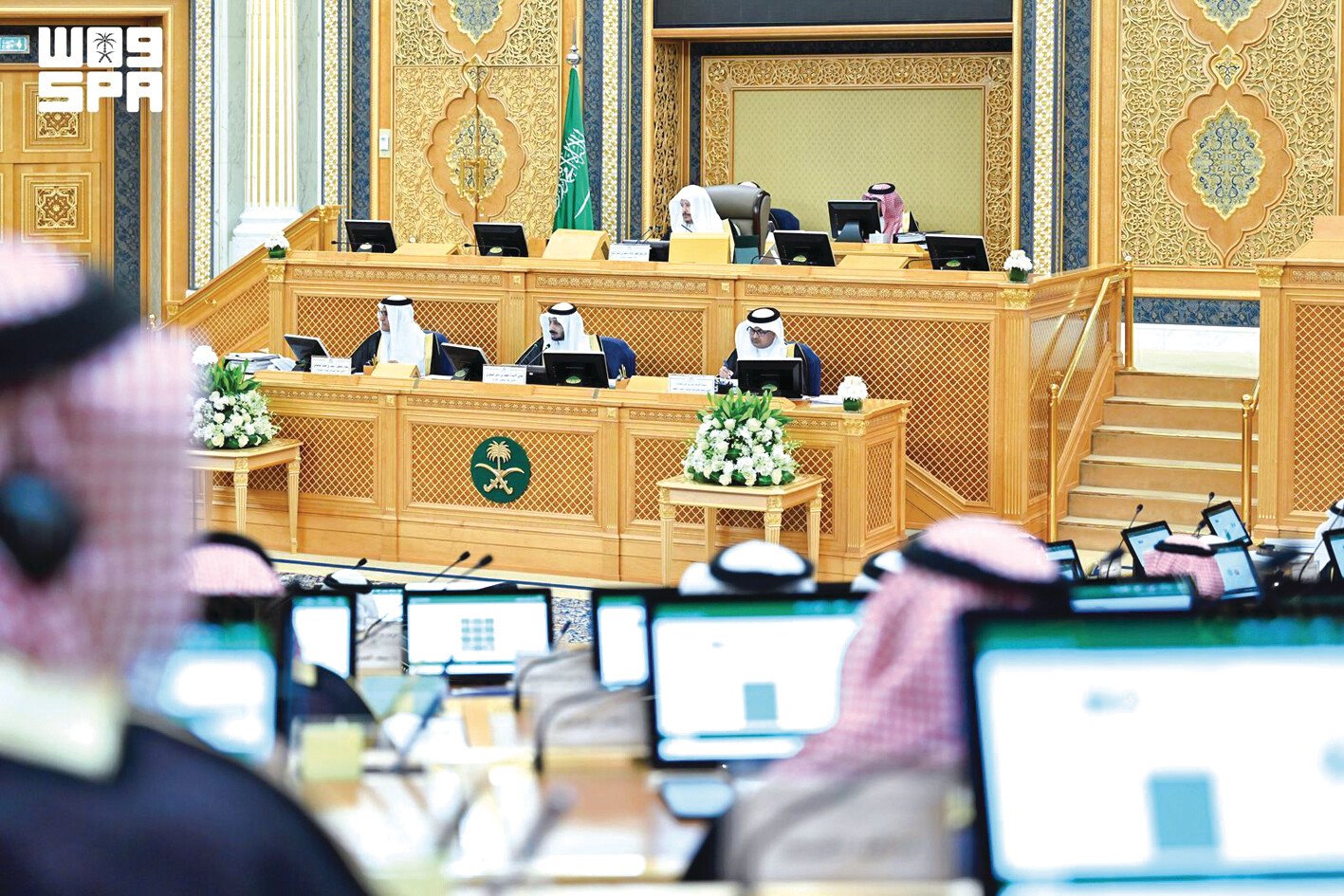
Yesterday, the Shura Council held its thirty-fourth regular session of the second year of the ninth session, headed by His Excellency the Speaker of the Council, Sheikh Dr. Abdullah bin Mohammed bin Ibrahim Al Sheikh.
At the beginning of the session, the Council reviewed the agenda of its thirty-fourth regular session, and the items contained therein, and took the necessary decisions regarding them.
He issued a decision regarding the contents of the annual report of the General Authority for Foreign Trade for the fiscal year 1446/1447 AH, in which he called on the authority to develop mechanisms for following up on export and investment opportunities provided by trade attachés, measuring their impact in concluding partnerships, and enhancing the private sector’s benefit from them.
In his decision, he called on the authority to coordinate with the relevant authorities. To preserve the Kingdom’s rights in settling international trade disputes by supporting international efforts aimed at activating the Appellate Body in the World Trade Organization.
In the same decision, he called on the Authority to study the reasons for the limited national capabilities specialized in the field of foreign trade, and to create the necessary incentives to increase the number of specialists in this field. During the session, the Shura Council discussed the annual report of the General Corporation for Saudi Arabian Airlines for the fiscal year 1446/1447 AH. During this session, the Council discussed the annual report of the Saudi Water Authority for the fiscal year 1446/1447 AH.
Member of the Shura Council, Dr. Rima Al-Yahya, called on the Saudi Water Authority to study the cases of subscribers who were charged the costs of connecting water and sanitation services according to the previous highest-priced mechanism, and to work to address these cases and find appropriate solutions.
Member of the Shura Council, Dr. Assem Madkhali, called on the Saudi Water Authority to study the approval of the electricity bill, to deliver water service to homes that are still under the process of completing proof of ownership, while reorganizing the mechanism for calculating an appropriate connection cost in a way that contributes to facilitating it for the beneficiaries.