Prime Minister Robert Abela has vowed that a new legislature will revisit Malta’s long-delayed media reform package while taking a more cautious, consensus-driven approach on controversial planning laws, following the lapse of several high-profile bills with the dissolution of Parliament ahead of the 30 May snap general election.
The dissolution brought an abrupt end to a slate of pending legislation, including the widely debated Planning Bills 143 and 144, as well as the media reform package comprising Bills 17, 18 and 19. The move automatically terminated all bills that had not yet completed the legislative process, forcing any future government to restart them from scratch.
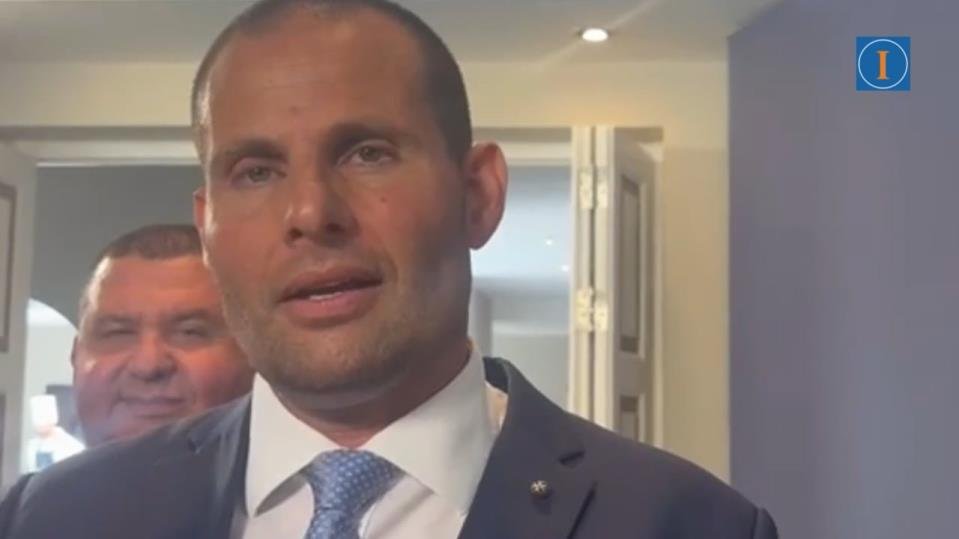
Speaking on Thursday in response to questions by The Malta Independent about whether a new Labour administration would reintroduce the measures in their current form, Abela defended his government’s record on media reform, while acknowledging the turbulent legislative process that stalled their passage.
He said that, had the government been able to proceed as intended, the proposed laws strengthening protections for journalists would already be in force. These, he said, included measures to increase penalties for attacks on journalists and reforms addressing the financial burden of libel proceedings. Despite the setbacks, Abela noted that Malta had still managed to implement key elements, including adopting European Union rules on anti-SLAPP protections.
Looking ahead, the Prime Minister made it clear that the media reform package would be tabled again in the next legislature. However, he indicated a shift in strategy, suggesting the government would aim to avoid prolonged consultation processes that previously slowed progress.
Abela stressed the importance of delivering concrete legal protections for journalists, expressing respect for their work and insisting that the full framework of reforms should become part of Malta’s legal and regulatory system.
On the far more contentious Planning Bills 143 and 144, Abela struck a notably different tone, emphasising the need for broad national agreement before moving forward with any reforms. The bills, which proposed sweeping changes to Malta’s planning framework, had faced strong opposition from environmental groups and segments of the public.
He reiterated his commitment to reforming local plans, an issue he described as having been postponed for too long, but insisted that no changes would be implemented without achieving what he termed “broad convergence” among stakeholders.
This convergence, he explained, would need to balance the interests of environmental organisations, developers, and ordinary citizens, including small property owners. While acknowledging progress in recent discussions, Abela warned that reforms would not be imposed unilaterally.
“If we cannot reach broad convergence, then the alternative would be to proceed with local plan reform as already envisaged in law,” he said, while maintaining optimism that continued dialogue could yield agreement.
The Prime Minister also underscored the political context, noting that any legislative agenda ultimately depends on electoral support. With the country now in campaign mode, he said his government is seeking to renew its mandate from voters.