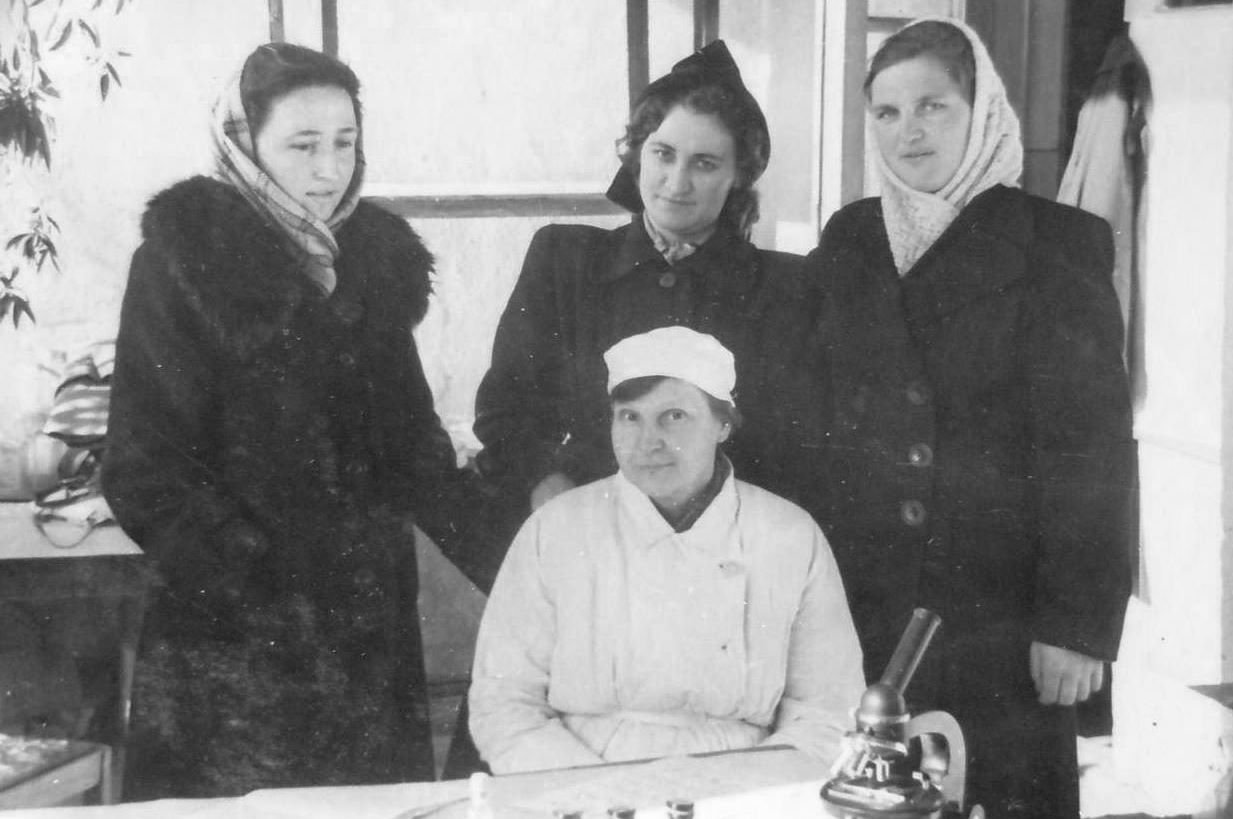
In April 1955, the Institute of Malaria and Medical Parasitology ceased to exist in Tajikistan. This fact went almost unnoticed by the population. In the republic, already in the 1950s, many forgot about the existence of such a serious and most widespread disease in the 20s and 30s as malaria.
The numbers speak eloquently – in Eastern Bukhara in the period 1923-1925 alone, the incidence of tropical malaria caused the death of more than 20 thousand people (only recorded), and the number of cases was measured in hundreds of thousands of people.
Here are the statistical data of a population survey to detect malaria, conducted by the People’s Commissariat of Health of the Republic for 1925: Kulob – 88% of the population had malaria, Muminabad – 96%, Gissar – 94%, Dyushambe – 85%, Kurgan-Tube – 60%, Garm – 65%.
Mass disaster
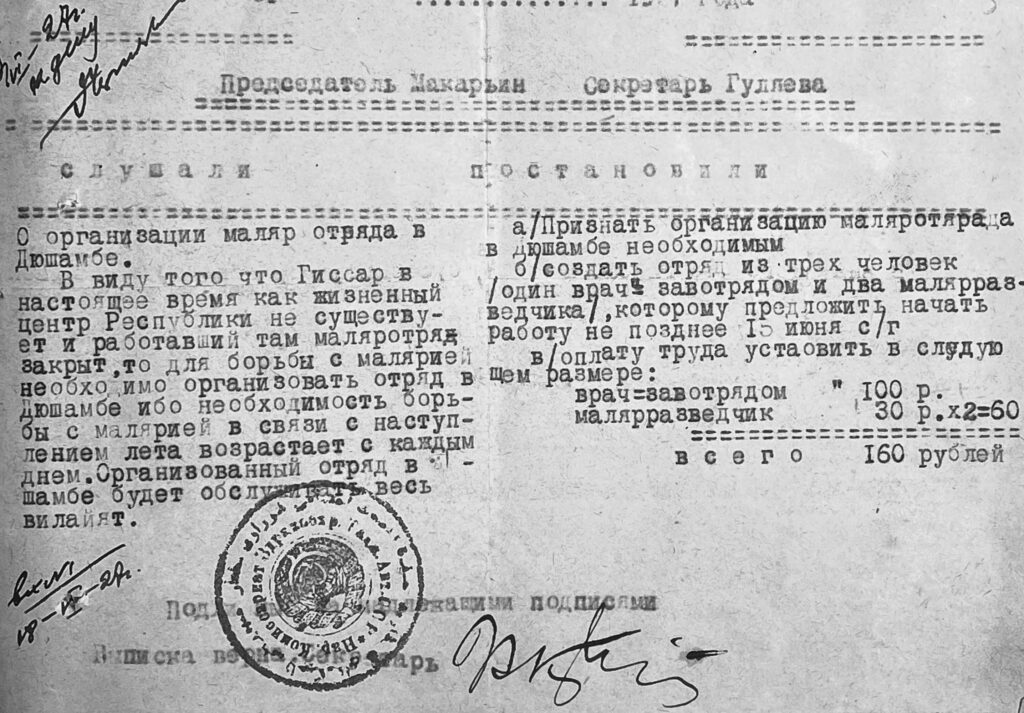
In 1927, a malaria detachment was created in Dushambe, later a republican malaria station, and since 1928 a tropical research institute. But the institute did not have malariologists or the necessary equipment. Moscow doctors came to the rescue.
The Central Tropical Institute urgently organized two-month courses for doctors who agreed to go to work in Tajikistan. 150 applications were received for 15 places. And since July 1931, the Institute of Malaria and Medical Parasitology began to work.
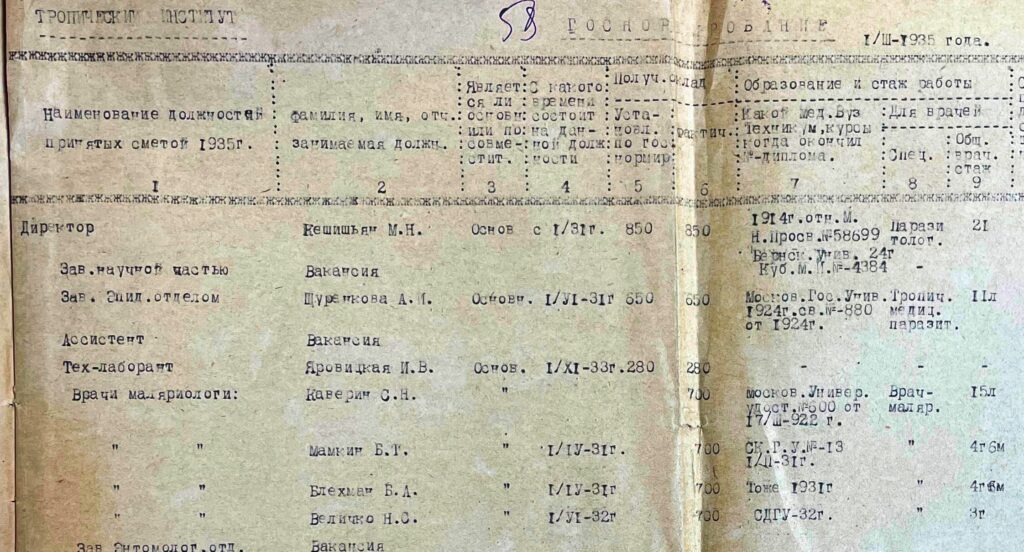
Its first director was an experienced doctor, a graduate of the Faculty of Medicine of the University of Bern (Switzerland), Honored Doctor of the Tajik SSR Mihran Keshishyan, his deputy was a graduate of Moscow State University, a tropical parasitologist, Honored Doctor of the Tajik SSR Alexandra Shchurenkova. The Institute organized expeditions to areas of mass diseases and examined water bodies where malaria mosquito larvae bred.
And yet, until the mid-30s, malaria continued to be a massive scourge of the republic, causing enormous harm to all residents and the economy. The last massive outbreak of malaria in Dushanbe occurred in 1933. That year, almost 90% of the townspeople had it.
Money was paid for killed mosquitoes
The turning point in the fight of the Institute of Malaria and Parasitology against malaria for the city of Dushanbe and Tajikistan was 1934, when mass epidemics of malaria were largely eliminated. In the city, all foci of malaria mosquitoes were oiled and regular preventive quinization of the entire population was carried out (quinine is a plant substance effective against various forms of malaria).
Those townspeople who evaded carrying out anti-malarial measures were brought to administrative or criminal liability. At all enterprises, institutions and educational institutions, budgets provided for special funding for the fight against malaria.
The city council allocated funds for the delivered killed mosquitoes, and a bonus was established “for the best striker of the winter anti-malaria campaign.” So, in Stalinabad alone, hundreds of thousands of mosquitoes were destroyed. City enterprises and organizations allocated 68 teams to help doctors fight malaria. As a result of these enormous efforts, beginning in 1935, malaria became only sporadic. But this took almost 10 years of difficult struggle.
Parasitological and hygienic teams worked as part of the Tajik complex expedition in 1932. Parasitologists under the leadership of Academician Evgeniy Pavlovsky studied malaria and mosquito fever in relation to their vectors. By that time, the republic had a wide network of tropical stations, which made it possible to conduct anti-malarial work throughout Tajikistan and timely concentrate forces and resources on eliminating massive outbreaks of malaria in individual areas.
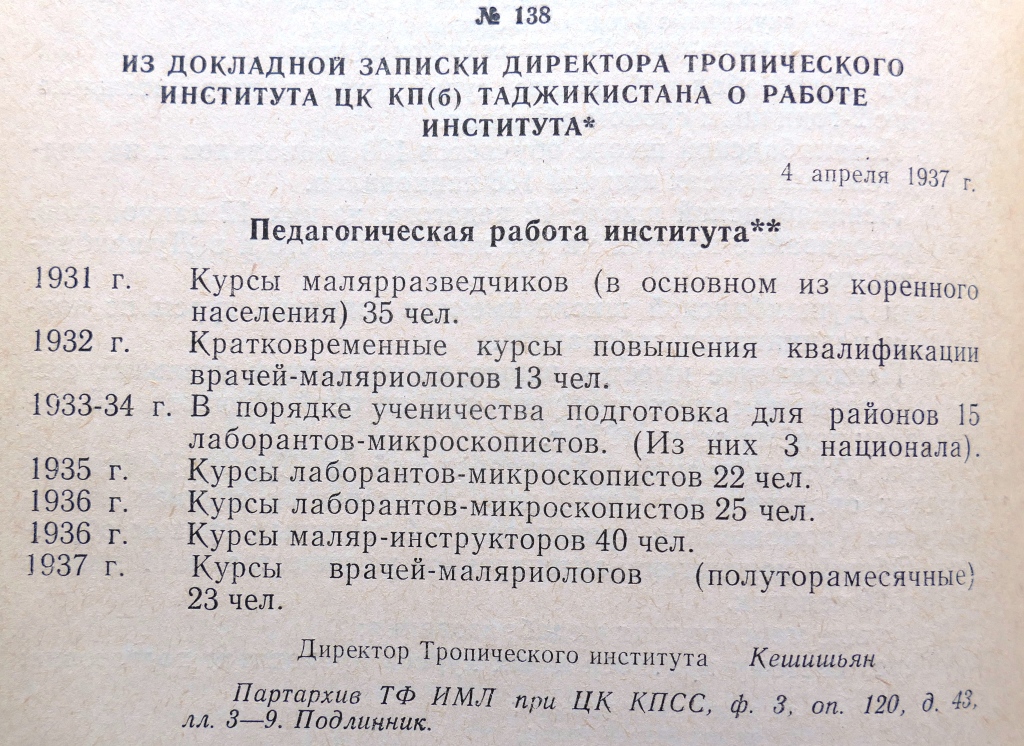
Research activities were closely related to medical work and disease prevention. Therefore, most scientific works immediately found application. The leading Soviet scientist, Academician Pavlovsky, who headed the Tajik base of the USSR Academy of Sciences in 1937, noted that in Tajikistan, with the development of a network of tropical stations united by the institute, the fight against malaria is being carried out in a more organized manner in terms of its complete elimination in the republic.
Over the 8 years of work of the Tropical Institute (Institute of Malaria and Medical Parasitology since 1941), the incidence of malaria by the beginning of the 40s had decreased by 5 times.
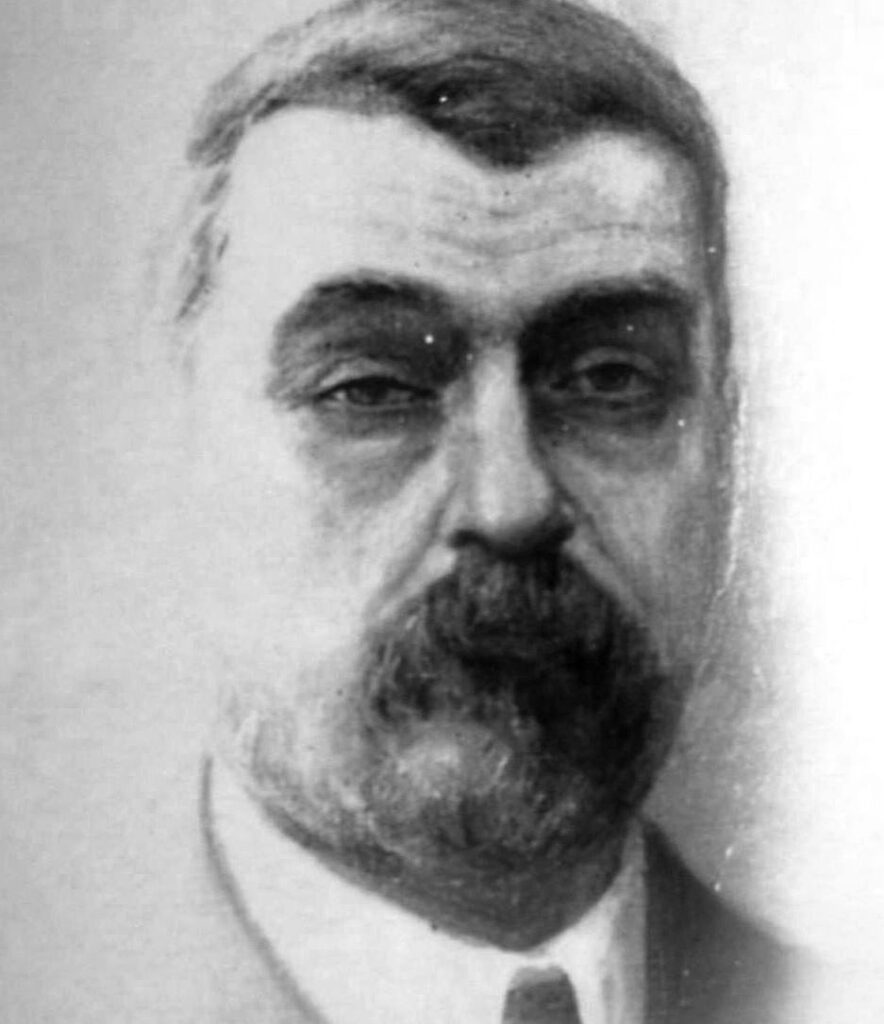
Malaria has been eradicated
Research staff of the Institute compiled and submitted to Tajikgosizdat for publication in the Tajik language in a mass edition of the manuscript of brochures on malaria and malaria mosquitoes, on fever and mosquitoes, their pathogens and vectors. Behind the meager lines of the institute’s reports on work in the republic lies daily and persistent work, constant tension of physical and spiritual strength.
The institute’s staff often went on expeditions to remote expeditions in the republic. And the main means of transportation was pack transport. Hundreds of kilometers were covered on foot.
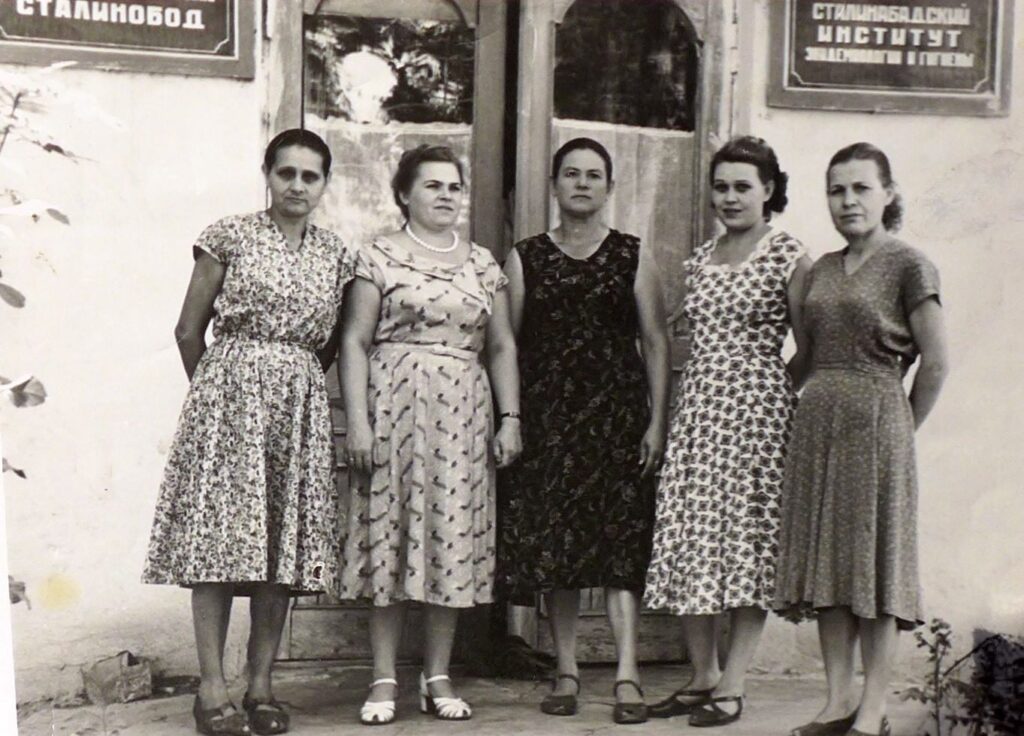
By the beginning of the 50s, malaria as a mass disease in Tajikistan had been eliminated. Since 1955, cases of local malaria have ceased to be recorded in Dushanbe. In the same 1955, the Institute of Malaria and Parasitology, merging with the Institute of Epidemiology and Hygiene, ceased to exist as an independent scientific institution. He fulfilled his scientific, preventive and social role – malaria was defeated.
And in 1960, the USSR officially announced complete victory over one of the most common infectious diseases.