It’s thought people have been creating artificial reefs in seas and rivers since at least 1650 when Japanese fishermen began sinking rocks and fallen trees in order to attract fish to improve their catches.
But in the intervening years, the practice has become bigger and bolder.
In 1935, for example, four ships were sunk off New Jersey in the USA to create better fishing opportunities, and since then, all manner of vehicles and other man-made objects have been experimented with.
The 155-metre USS Spiegel Grove was scuttled off Key Largo in 2002, while a year later, 250 subway cars were sunk at various locations, again off New Jersey. Tugboats, barges and even army tanks. You name it, they’ve sunk it.
But the art of artificial reef creation really took off when planes were used for the first time – that actually dates back to 1945 when planes including a B-52 bomber and a Dauntless SBD diver bomber were dumped in a lagoon off the Marshall Islands in the Pacific Ocean. It’s still a popular dive site today.
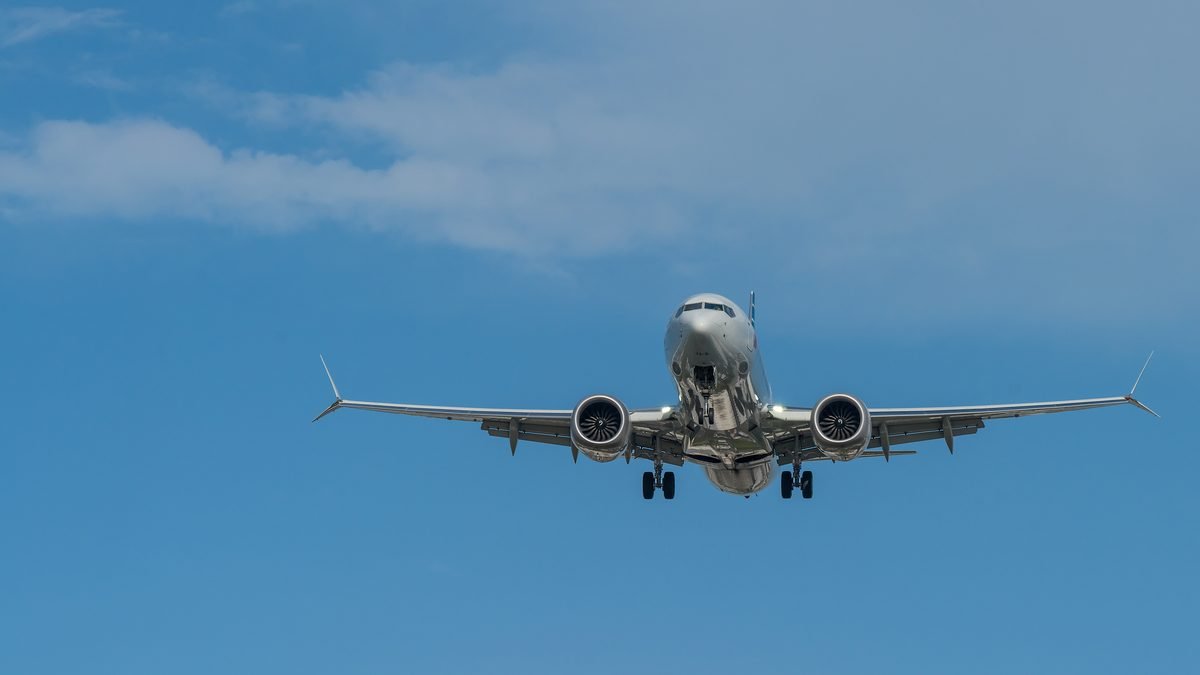
So when the Artificial Reef Society of BC sunk a Boeing 737, 30 metres long and with a wingspan of 30 metres, too, off Vancouver Island in January 2006, this was a fairly well-established art.
Before it was sunk, the plane was stripped of any potentially polluting materials, so that all that was left was the bare metal and the overhead bins.
Within a year of its arrival on the seabed, divers reported seeing bright white plumose sea anemones growing on the fuselage, and by 2008, one local diver had recorded more than 100 marine species.
Another diver recorded their experience of diving down to the plane in a magazine article in the same year.
“The plane sits 15 feet off the bottom on a custom built stand in 90 feet (27 metres) of water,” writes Barb Roy. “All windows and doors have been removed and the forward and aft cargo bays are open. Although wreck certification is recommended for penetration, [we] entered and swam around with ease. The body of the plane is about 12 feet (3.6 metres) in diameter and the distance between the front and rear exits are about 65 feet (20 metres).”
Another diver visited the plane in 2012 and published this report for the Victoria BC diving website.
The diver describes how they descended down a fixed line for 15 metres until the “the pale nose of the plane” loomed out of the surrounding darkness. “Feather stars and plumose anemones were growing on its surface. A group of small copper, brown and yellowtail rockfish were in the cockpit.”
A series of murky photos show white and bright orange anemones growing on the fuselage, though on the inside it is largely and eerily empty. There’s also a photograph of what looks like an orange-red California sea cucumber, though there’s no caption to confirm this.
In 2022, Jay Straith visited the site with three fellow divers, and reported for Scuba News that the aluminium aircraft and the stands it is mounted on were holding up well in their marine environment. “There is obviously a lot of plumose [anemones] on the plane, but surprisingly very little fish life,” he reported. “This could be seasonal or a result of a “lack of complexity” of the structure.”
Other species recorded at the site include blob-like shiny orange sea squirts, feather stars resembling underwater fern plants, norther feather duster annelid worms (looking weirdly like their name suggests), green sea urchins and opalescent nudibranchs, exotic molluscs that look as if they grow neon light fittings stolen from buildings in Leicester Square.
As this article in the Economic Times explains, sinking planes or boats to turn them into artificial reefs can work wonders for wildlife, but only if they are properly planned and located in the right places. But it’s good to know that, after they have stopped plying their trade in the skies, yesterday’s aircraft can help marine environments soar to new heights.
top image: Plane wreck Douglas DC-3 “Dakota”, Mediterranean Sea, Turkey. Not the Boeing 737 off Vancouver Island. Credit: Andrey Nekrasov/ Getty Images
More wildlife stories from around the world: