Just one year after ecological restoration efforts on Samoa, forests, wildlife, and food resources are showing remarkable signs of recovery.
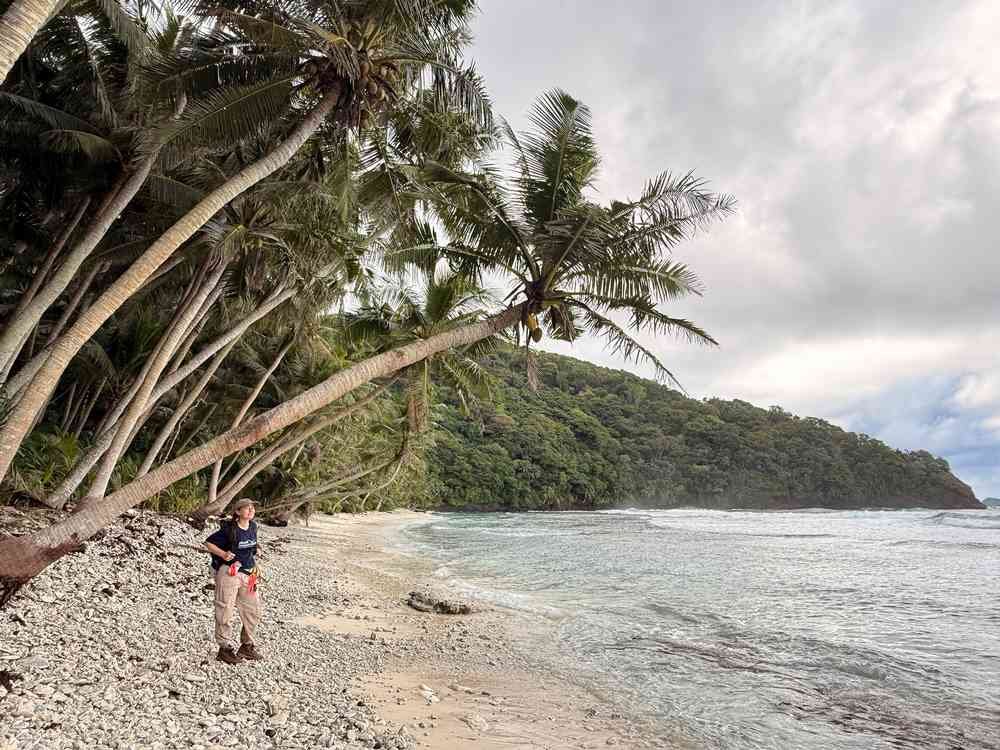
Nu’utele Island is considered a Key Biodiversity Area for Samoa, and is home to one of the country’s most pristine native forests teeming (usually) with native species.
Yet, like many islands across the Pacific, it has suffered from ecological degradation by invasive species—in Nu’utele’s case rats, and feral pigs which turn up the soil and prevent native vegetation from growing.
Samoa’s Ministry of Natural Resources and Environment (MNRE), the Pacific Regional Invasive Species Management Support Service (PRISMSS), and island community members successfully removed these damaging invasive species from the island.
They were joined by the nonprofit conservation organization Island Conservation, which has worked to heal dozens of islands across the world’s oceans from the wounds sustained by invasive animals.
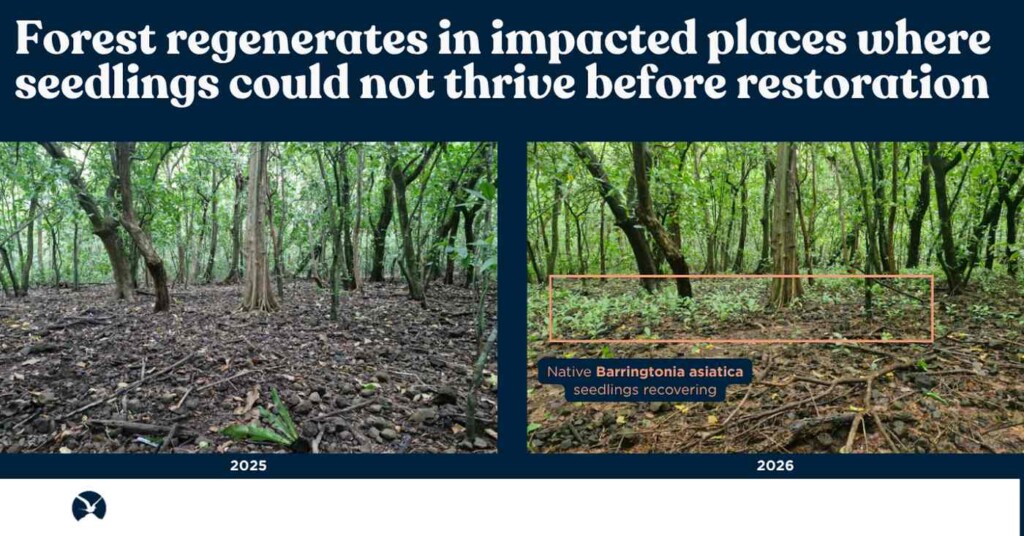
Now with the animals having been removed, that trajectory is beginning to reverse, and the ecological response has been swift.
“In many areas, native seedlings are carpeting the forest floor,” said Paul Jacques, Project Manager for Island Conservation. “On recent visits, I saw knee-high seedlings growing where forest regeneration had previously been suppressed. People are now able
to grow and harvest giant taro plants where crops would have failed previously. These changes point to the recovery of natural processes.”
The restoration effort was led through a partnership among local landowners, community members from nearby Aleipata, Island Conservation, the Secretariat of the Pacific Regional Environment Program, (SPREP) PRISMSS, and MNRE.
Between March 2025 and May 2026, field teams conducted 12 expeditions and spent more than 130 days in the field implementing and validating restoration efforts in the island’s rugged terrain. Island Conservation are experts at eliminating rat infestations. While the rats were baited and trapped, the pigs were hunted like they are all throughout Polynesia.
Among those participating in the final phase of the operation was former New Zealand national rugby star and conservation advocate Glen Osborne, who joined expert hunting teams working to locate the last remaining feral pigs on the island.
With the rats and pigs gone, recovery of Nu’utele’s forests sets the foundation for the planned translocation of the threatened Mao, a native Samoan forest bird vulnerable to habitat loss, invasive species, and extreme storms. The establishment of a new Mao population is a critical component in a major restoration target set by Island Conservation for 2032.
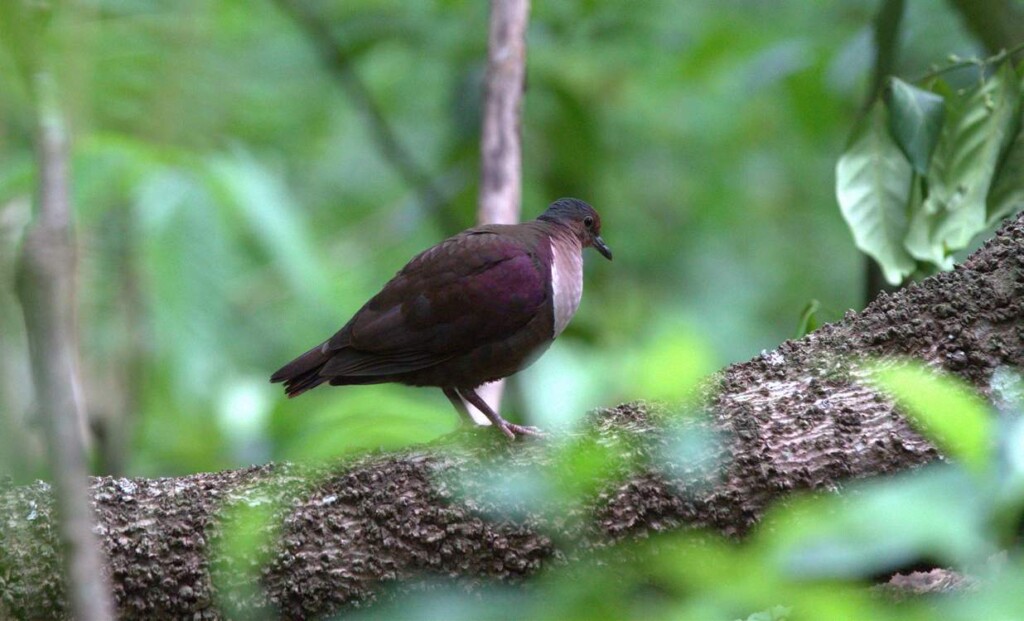
Nu’utele also supports the largest remaining population of the shy ground dove in Samoa, a species declining across the Southwest Pacific. Just one month after the invasive species removal, however, researchers discovered several active nests containing eggs in bird’s-nest ferns, a location that was highly vulnerable to invasive species.
Researchers also recorded a nest of the endemic Samoan starling and witnessed breeding activity of many other species including the endemic flycatcher and whistler, providing further evidence that native birds are already benefiting from safer breeding conditions. Rats will readily poach both eggs and chicks of any birds species they can reach.
Often, island-endemic birds evolved to nest close to the ground for lack of predators on their home island. They have no natural defenses against the cunning and adaptable rats.
Signs of recovery were not limited to just the forest, but are also visible at the island-ocean boundary. Conservationists found a species of land crab not previously recorded on Nu’utele, and land crab populations are expected to increase in general as pressure from invasive predators is removed.
ALSO CHECK OUT: Eradication of Invasive Ferrets Within N. Ireland’s Largest Seabird Colony Is a World First
Nu’utele’s recovery is particularly significant because native forests and agroforestry systems involving taro serve as natural infrastructure. Healthy vegetation helps anchor soils, reduce erosion, improve watershed function, and support biodiversity that is critical to ecosystem stability.
“Nu’utele shows what’s possible when communities, governments, and conservation partners work together towards a shared vision,” said SPREP Invasive Species Adviser, Mr. David Moverley, in a news release provided by Island Conservation.
“We’re seeing forests regenerate, native wildlife return, food systems improve and vital habitat expand for species that depend on healthy ecosystems. The lessons learned from this island can help guide restoration efforts across the Pacific and beyond.”
MORE FROM ISLAND CONSERVATION: US Again Wins Battle on Wake Atoll–Against Invasive Rats Depleting the Seabird Populations
Long-term monitoring will continue to track forest regeneration, biodiversity recovery, and ecosystem health, providing valuable data that can help guide future restoration and climate resilience initiatives in Samoa and throughout the region.
While island ecosystems are extremely vulnerable to threats from invasive species and shifting climate patterns, their isolated nature makes them unique among world biomes in their ability to recover and keep new threats away.
Island Conservation has helped communities on islands around the world remove invasive wildlife populations dozens of times. GNN has reported on many, including on the Marshall Islands, Palau, and the Galapagos.
CELEBRATE Another Pacific Island Giving The Boot To Rats And Recovering Thereafter…