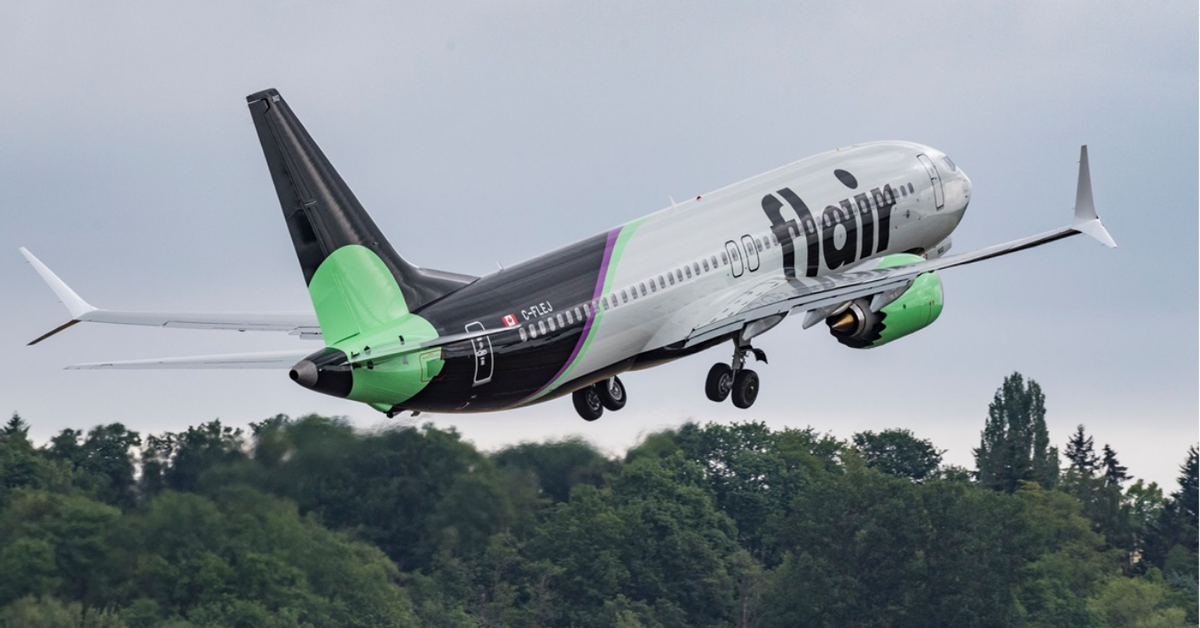
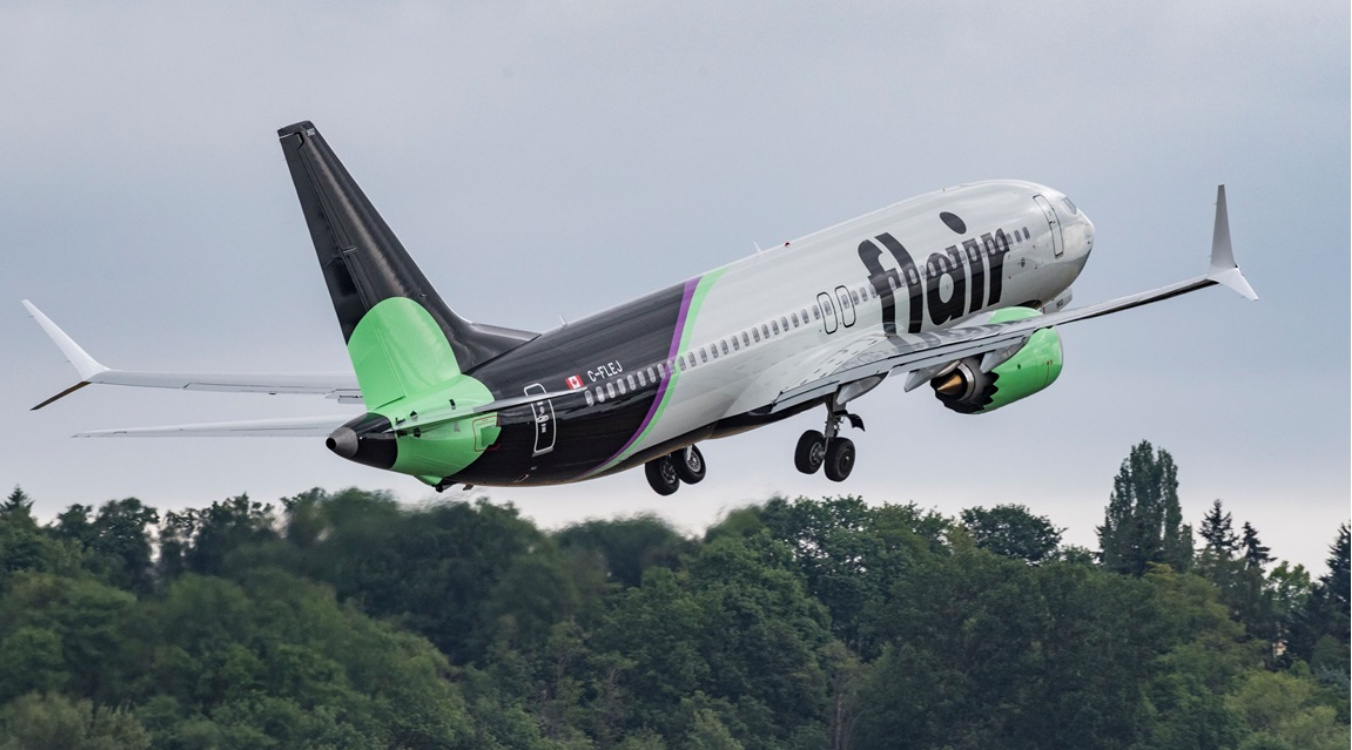
Madrid/Flair Airlines, a Canadian low-cost airline based in Alberta, has been authorized by the Canadian Transportation Agency to fly to Cuba, a measure that gives the green light to the company’s request, but without specifying when the flights will begin. The information has, despite this, a wide space in the official press in a black week for tourism, after the announcement of suspension of routes of the Spanish Iberia.
The administrative decision does not improve the connection with the North American country and the main market for tourism on the Island, since Air Canada does not plan to resume operations until at least November 1. The company attributes the decision to “persistent operational issues, such as power outages, and hotel closures.”
Closer is June 20, when Sunwing Vacations and Vacances WestJet Québec plan to resume flights, with packages to Varadero and Cayo Coco from Toronto, Montreal and Quebec. Air Transat, for its part, has also postponed its return to the Island to that day in a memorandum sent this March to travel agents. However, the uncertainty is great, since all companies have warned that the dates are “subject to change.”
Canadian airlines suspended their flights in early February, when Cuban airport authorities issued an alert due to a lack of fuel at all of its international airports. Although the notice was initially for one month, it has continued to be extended amid the oil blockade imposed by the United States since January 29 and which, for the moment, has only had one exception: the shipment of 750,000 barrels of Russian crude oil that arrived on March 31.
Closer is June 20, when Sunwing Vacations and Vacances WestJet Québec plan to resume flights, with packages to Varadero and Cayo Coco from Toronto, Montreal and Quebec
Although that shipment has not yet been refined for unclear reasonsits destination is not the airport, but the distributed generation of electricity, fuel oil for the plantations and plants, and liquefied petroleum gas for cooking food in critical facilities, according to Cuba Petróleo (Cupet).
Canadian airlines remained in early February in a brief impassehours in which the decision danced between specific cancellations and temporary suspensions. Air Transat even stated that it maintained its intention not to alter its service only to, hours later, surrender to the evidence that removing Canadians who were still on vacation was the logical measure in the current circumstances, which have not changed.
The companies of that country took more than 10,000 people from the Island on several return flights of the 24,559 that were throughout February in Cuba. For their part, the Russians – the second country that sends tourists to Cuba – They evacuated 4,300of the 7,314 total in that month. Since then, no airline from those countries has returned to any Cuban destination, which suggests data on international travelers in March worthy of the worst time of the pandemic.
In addition, the Spanish company Iberia, one of the main routes of connectivity with Europe – through, above all, Madrid – and which has been flying to Cuba for 60 years with just two interruptions – the company crisis in 2012 and the coronavirus in 2020 – announced that in June it was leaving all its routes to the Island. The company was one of the few that had maintained the decision to continue traveling to Cuba in the last two months, refueling in the Dominican Republic.