AVANNAATA QIMUSSERSUA
Tomorrow Saturday at At 12 it starts in Qasigiannguit, where the country’s best driver competes at Avannaata Qimussersua. The route has been tested, the dogs are ready, now all that remains is the start. We ask about the final preparations and the expectations.
The 26 participants are now gathered in Qasigiannguit and the TV crew to broadcast the race arrived early this morning with the Arctic Command’s ship. Both spectators on the spot and those watching from home can start to rejoice.
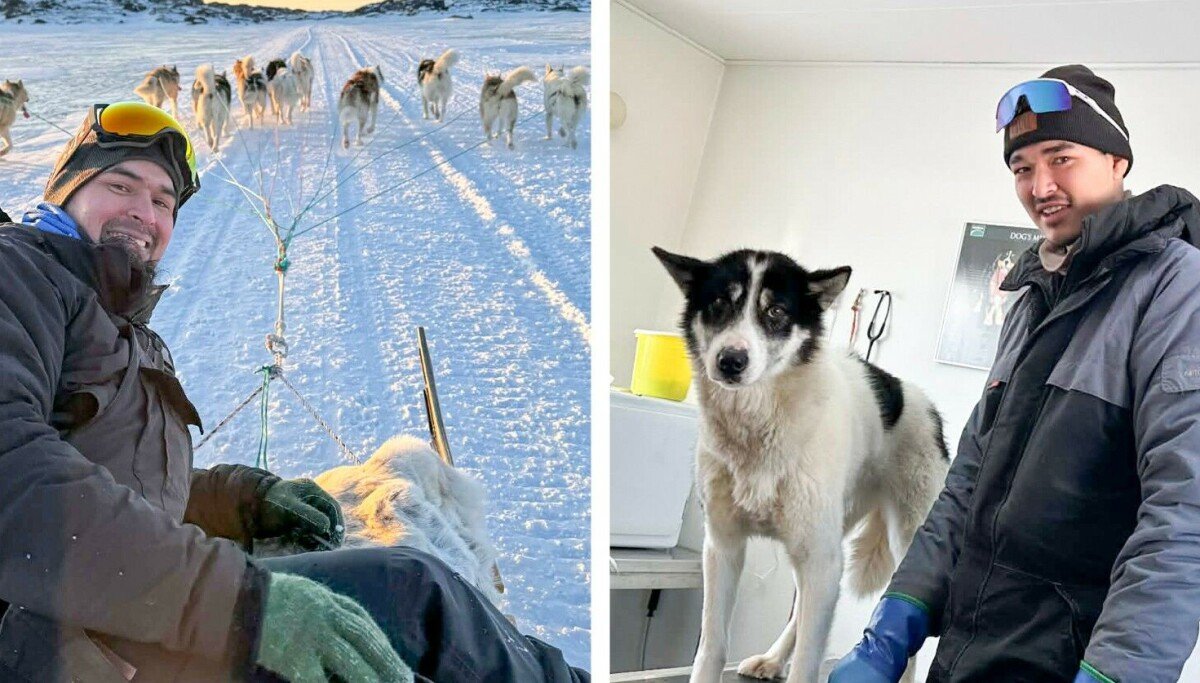
The drivers and their dogs are also getting ready. Among them is the 22-year-old Angutimmarik Thygesen from Saattut, who talks about the excitement that is starting to show.
– I feel good, but I’m a little nervous. It is of course exciting when you have trained and prepared all year, says Angutimmarik.
Although he is still young, he is participating for the second time in Avannaata Qimussersua, after his debut in Ilulissat in 2024.
He says that when he arrived in Qasigiannguit on Saturday, he had already walked the route three times. However, he is a bit excited about how the dogs will react to the fact that part of the route goes over sea ice, where the snow is salted.
– The dogs are used to training on land, where they eat ordinary snow. When they then get out on the ice and eat salty snow, it can affect their energy a bit, but it doesn’t last long, says Angutimmarik.
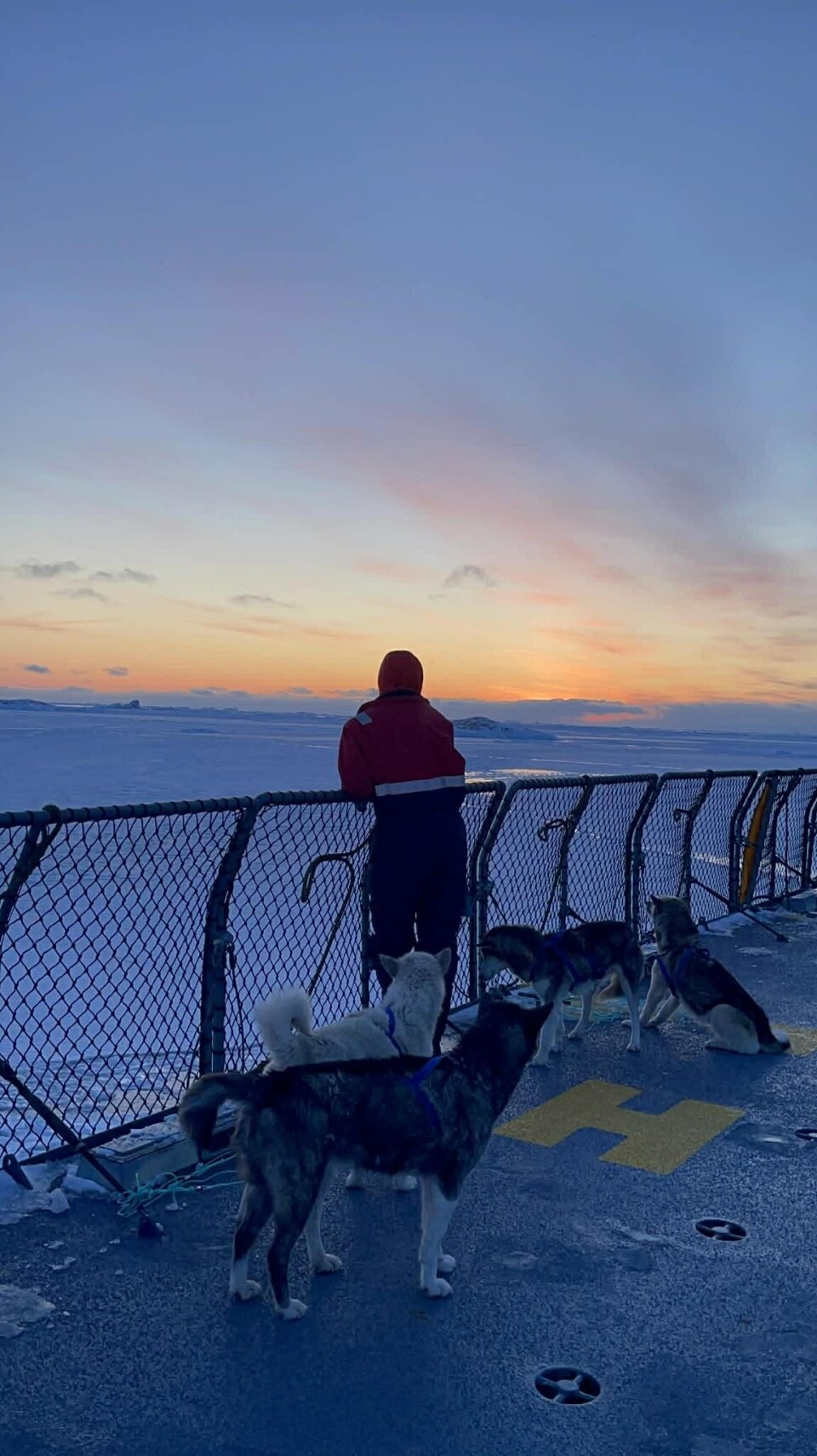
The starting point has been moved
Since there are 26 participants, it requires a large and uniform starting point. The originally planned area was changed as it gave different conditions for the sleds – some had to start on more icy ground than others.
To ensure that all sleds start under the same conditions, the starting point has been moved outside the chute, so that everyone is now standing on a more level and icy surface.
– It’s good that we all got the same starting point. It is also a rule in the KNQK rules that the starting places must be the same, says Angutimmarik Thygesen.
The starting point is in place, and now he is just waiting for the race to start tomorrow. The day before, he ensures that the last details are in order.
– The final preparations are about the sleds, the starting place, securing the hooks for the ropes, getting the dogs’ shit removed from their places, and then I also have to manage to put my sponsors’ logo on the sled, says Angutimmarik.
– Of course I hope it goes well, but I don’t have high expectations, he adds calmly.
Following in his father’s footsteps
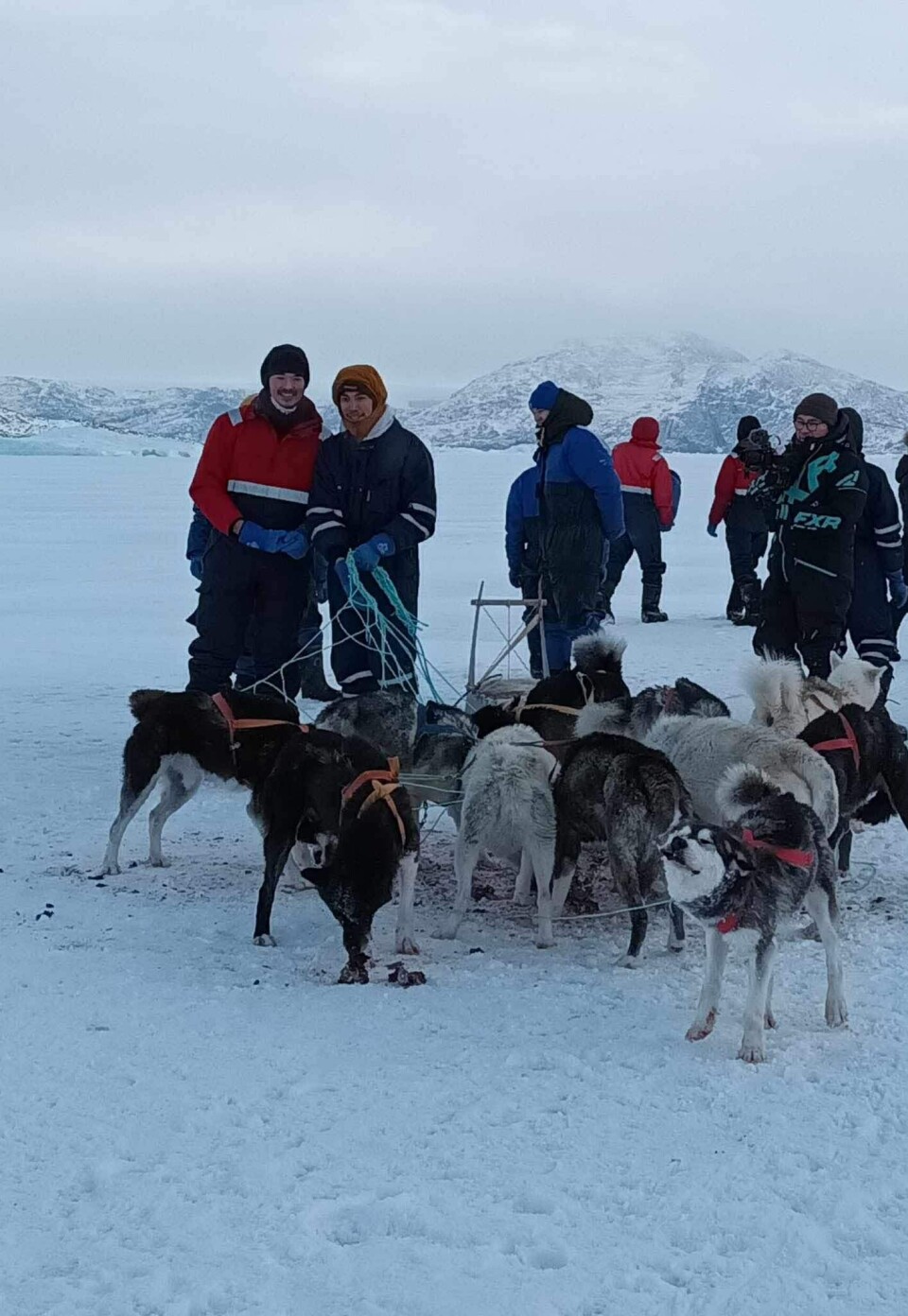
Angutimmarik Thygesen has dog sledding with the mother’s milk. His father, Thomas Thygesen, who has won the Avannaata Qimussersua three times, introduced him to the sled already as a child.
– He doesn’t train me directly, but sometimes I follow his methods, says Angutimmarik.
He himself is responsible for the training of his dogs. Having competitive sled dogs takes time and patience.
– The training does not last just one year. First, the dogs are taught to pull, and if they are to be used for competitions, they must also be trained to run fast and strengthened, he explains.
It is important to get off to a good start
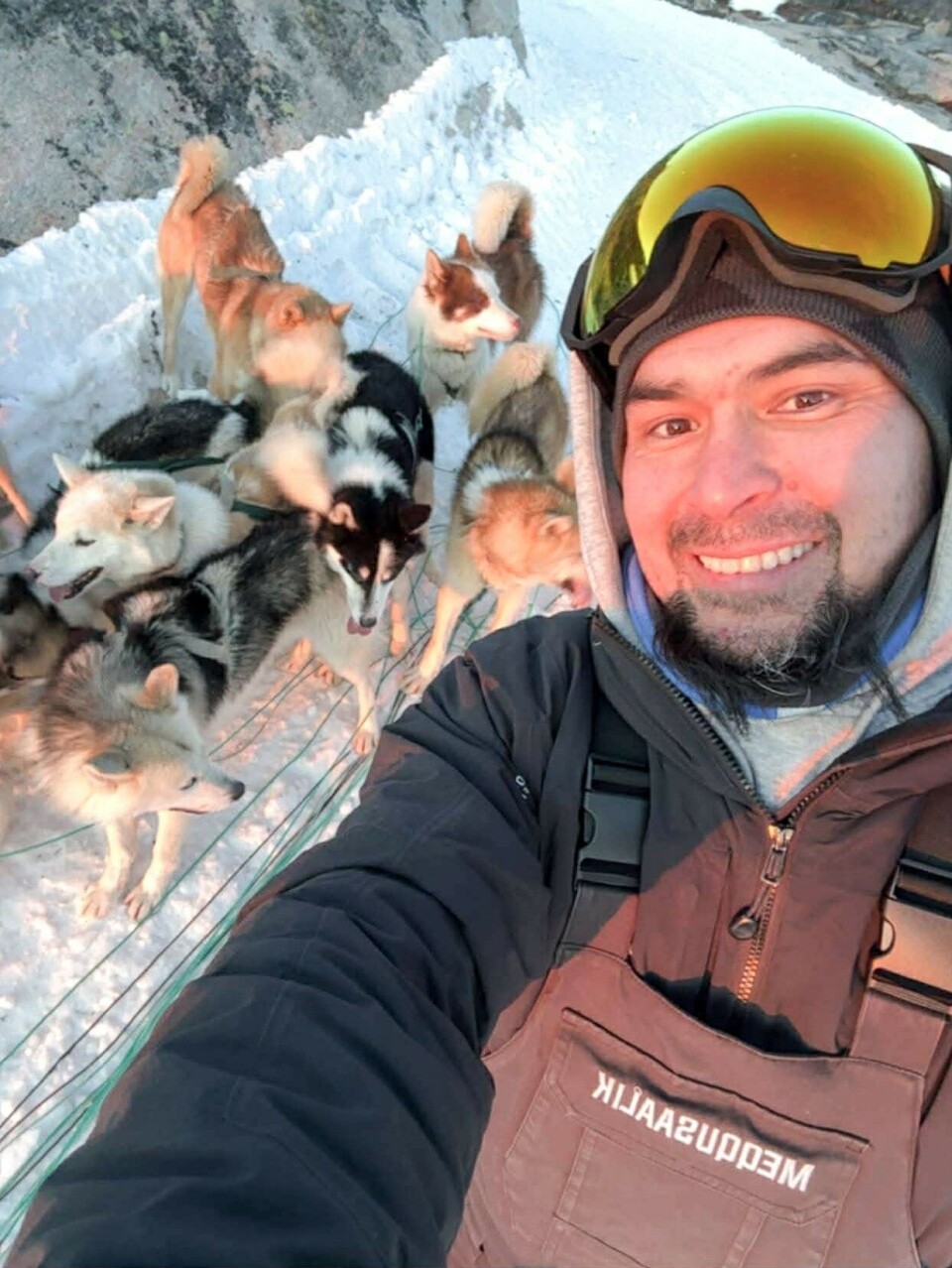
Another participant, 35-year-old Minik Olsvig Svendsen from Ilulissat, is also completely ready for tomorrow.
– I have already fed the dogs, and now I want to prepare the sleds and get all the equipment ready for the competition, he says.
Minik first participated in Avannaata Qimussersua in 2014 and will now participate for the sixth time. Being a sled driver requires many hours of training, and he already started driving with the dogs this season in October. By the time he arrived at Qasigiannguit on March 18, he had already traversed the route three times.
– It’s really good. The route is flat without many hills, he says.
How is it compared to Ilulissat?
– It’s different. In Ilulissat we have both up and down ramps.
But to get a good ranking, it is always important to get off to a strong start.
– If you start well and are among the first, it often shapes the rest of the race. A good start is absolutely essential.
What do you expect?
– Well, it’s hard to predict. There is uncertainty and many fast participants. You never quite know where you will end up, but of course I want to fight, concludes Minik.