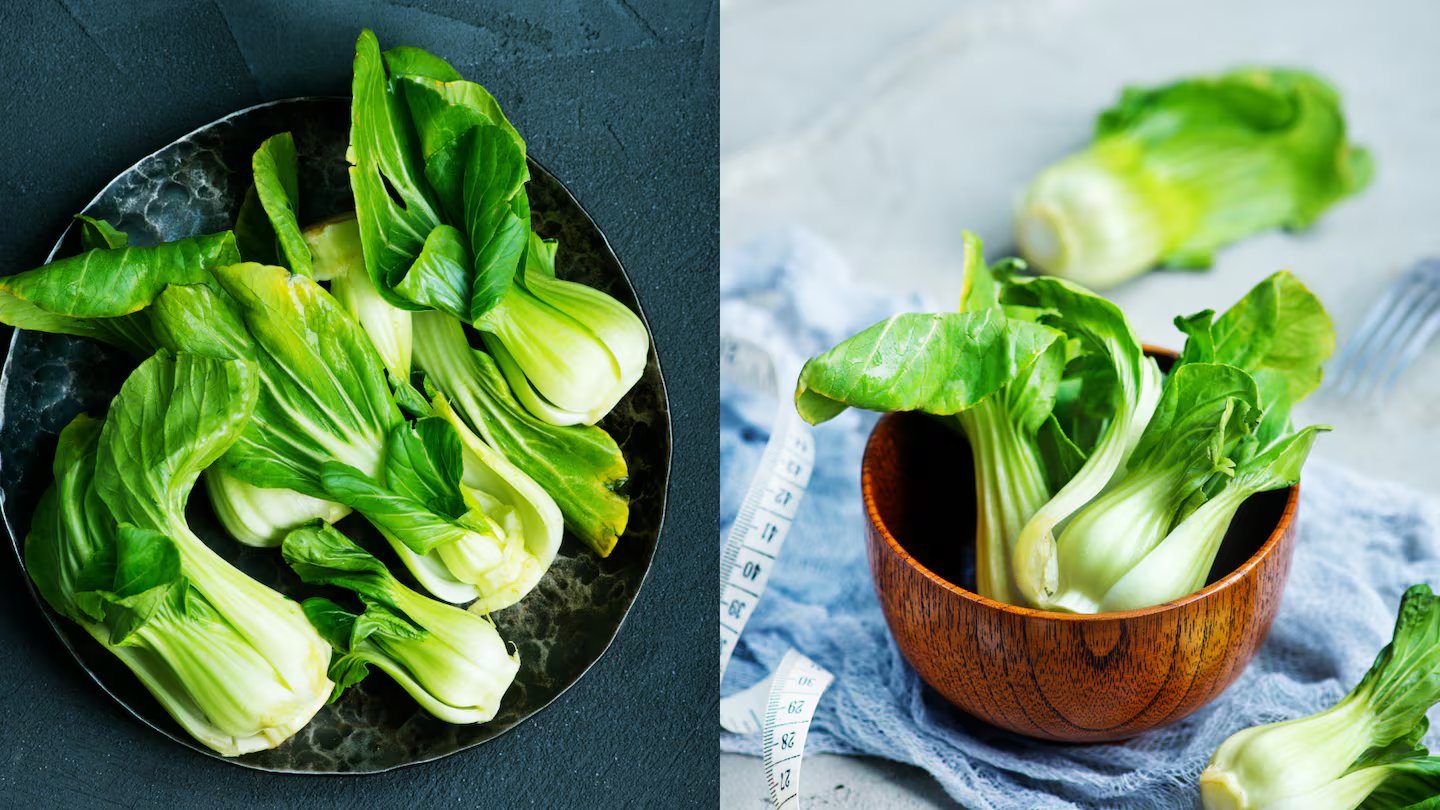
He pak choi It gains space in healthy eating due to its high nutrient content and low caloric intake. This vegetable of Asian origin provides calcium, vitamin K and antioxidantskey nutrients for bone and metabolic health, making it especially relevant for older adults.
Unlike other popular leafy greens like spinach or kale, pak choi combines high nutritional value with low presence of oxalates. This characteristic favors the absorption of calcium in the body.
A vegetable with more than 1,500 years of history
He pak choi It is a plant native to China. Its cultivation began more than 1,500 years. It belongs to the species Brassica rapa var. chinensis. It is part of the family of cruciferousalong with foods like cabbage and broccoli.
Domestication occurred in the region of Yangtze River Delta. Over time, its consumption spread to countries such as Korea, Japan and various areas of Southeast Asia.
During the 18th century it came to Europe. In the 19th century he entered North America driven by Chinese migrant communities. Today it is a frequent ingredient in oriental cuisine. It is also gaining presence in kitchens in other regions of the world.
High nutritional contribution
According to the clinical doctor specialized in nutrition Ana Cascúthe pak choi has a high nutritional density. It contains several essential nutrients for the body.
Among the main ones stand out:
- Dietary fiber
- Vitamin C
- Vitamin A in the form of carotenoids
- Vitamin K
- Folates
- Minerals such as calcium, potassium and magnesium
Also includes characteristic antioxidants of cruciferous vegetables. These compounds are associated with lower cellular oxidative stress. In addition, they could help control blood pressure and reduce low-grade inflammation.
Pak choi provides calcium and vitamin K. Both nutrients participate in bone metabolism. This combination is relevant for older adults and women.
The specialist explained that this vegetable contains less oxalates than other leafy greenslike spinach. This allows a increased calcium bioavailability that the food provides.
Pak choi also stands out for its low glycemic index and low caloric load. These characteristics help generate a feeling of satiety.
Their fleshy stems They provide texture and high water content. This increases the volume of the dish without adding many calories. For this reason it is usually included in meal plans aimed at weight control.
How to consume pak choi
Historically, pak choi is used in soups, stir-fries and vegetable dishes. It can also be consumed raw.
The specialist recommends short cooking to preserve vitamins and antioxidants. Among the suggested techniques are:
- Quick stir fry
- Short steam cooking
- Add it at the end of hot preparations
In people with sensitive digestion or bloatingmay be more tolerable when consumed lightly cooked. Heat softens the fiber and improves its digestibility.
Combinations that improve nutrient absorption
To make better use of the micronutrients in pak choi, the expert suggests three combinations:
- healthy fats such as olive oil, avocado or nuts to improve the absorption of carotenoids.
- Foods rich in vitamin C to enhance the absorption of minerals.
- Protein sources vegetables or animals to create more nutritionally complete dishes.
*The creation of this content was assisted by artificial intelligence. The source of this information is from Grupo de Diarios América (GDA) media and reviewed by an editor to ensure its accuracy. The content was not generated automatically.