The decision by S&P Global Ratings to lower Colombia’s rating to ‘BB-‘, that is, just one notch from the level considered As highly speculative, it could have an impact on the economy and ordinary people.
READ ALSO
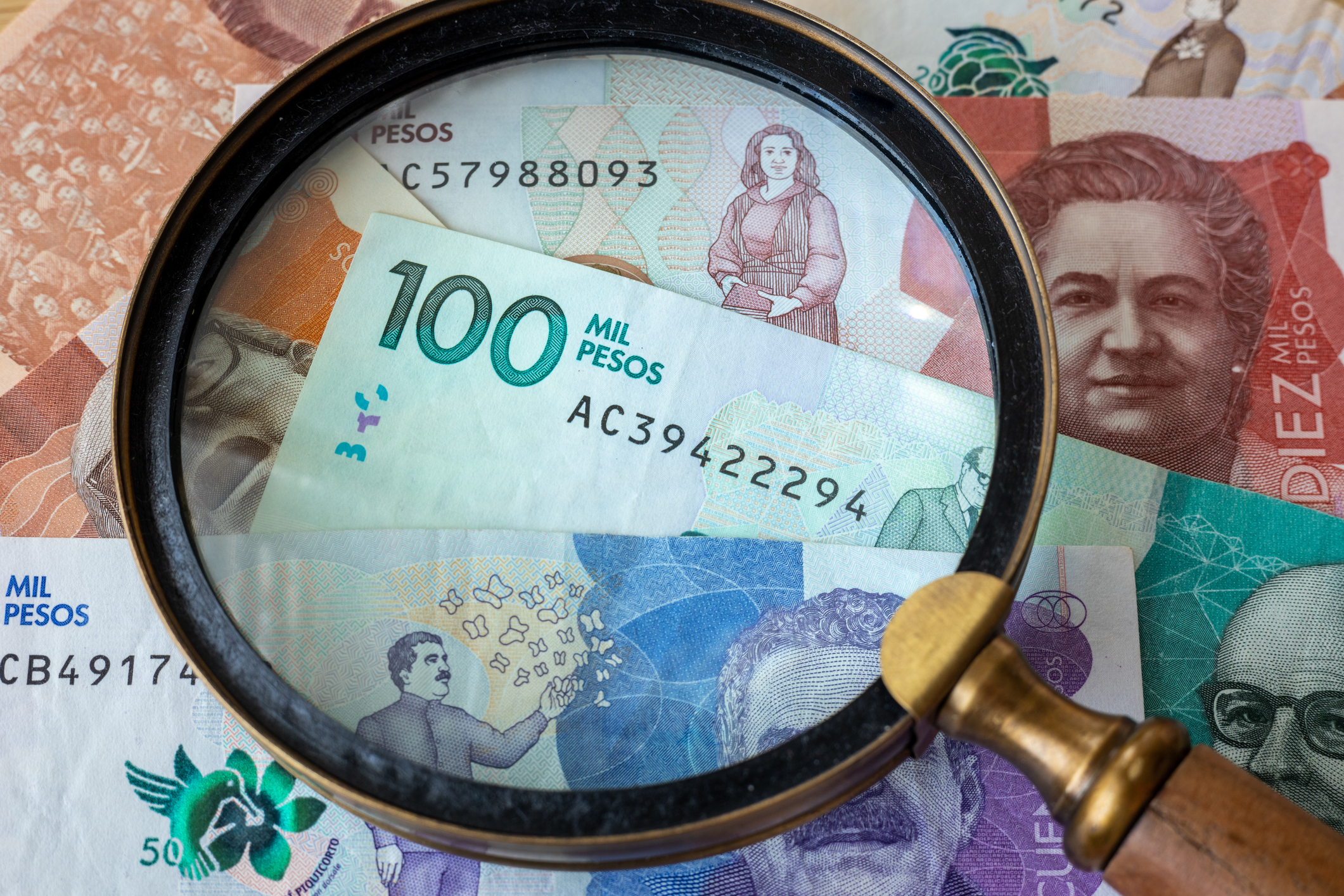
Colombian pesos. Photo:OSCAR GIRALDO
This is because, according to different analysts, it would lead to an extra cost in the country’s public debt through the higher interest rates that would be charged. to the Government when financing abroad.
“It’s like when a person’s credit score is lowered: they lend more expensively, with more conditions and with less confidence. The same thing happens to the country.”. If Colombia is perceived as riskier, going into debt costs more. And when the debt costs more, the Government has to allocate a greater part of the resources to pay interest, leaving less room to invest in health, education, infrastructure, security and social programs,” explained María Claudia Lacouture, president of AmCham Colombia.
In the midst of the current context of fiscal tightness and a budget underfunded by 16.3 billion pesos, the Nation would have even fewer resources to carry out its social policies, which could lead you to look for new sources of income, such as, for example, making citizens pay new taxes.
“Public debt will increase in cost and to cover this structural deficit in finances we will have to pay more taxes. We Colombians pay the debt. In addition, there will be fewer resources for investment in issues such as health, roads or energy, among others,” said former Vice Minister of Finance Juan Alberto Londoño.
Precisely, the rating agency assured that it made such a decision for the high fiscal imbalances that the country haswith high public spending, high interest rates and lower than expected revenue collection.
READ ALSO

Germán Ávila, Minister of Finance. Photo:ELTIEMPO.
“Our rating reflects limited fiscal flexibility, high debt burden, weak external position and moderate GDP per capita,” S&P Global Ratings said in a statement.
Additionally, he said he expects the general government’s fiscal deficit to reach 5.6 percent of GDP in 2026 and that net public debt approaches 66 percent of GDP by 2029.
Given this situation, experts assure that greater uncertainty is also created, which in the long run ends up affecting all spheres of the economy.
“The reduction sends a warning message to investors: that the country today offers more uncertainty, more fiscal fragility and less confidence. And without confidence, investment cools down. What does that mean in practice?” Fewer new companies, less expansion of existing ones, less employment and an economy with less capacity to grow and generate income”Lacouture noted.
Along the same lines, Natalia Gutiérrez, president of the Union Council and Acolgen, said that in practice this means that the State will face higher costs, companies will access credit under more demanding conditions and households will feel higher rates and lower availability.
“The result is additional pressure on variables such as the exchange rate and, overall, a lower capacity to invest, consume and grow,” he indicated.
In addition to this, he commented that with a lower rating Colombia loses competitiveness compared to other destinations and interest in long-term projects is reduced. “It transversally affects sectors such as energy, infrastructure, industry, agriculture and technology, and also consumers, because everyone depends on financing and trust“, held.
READ ALSO
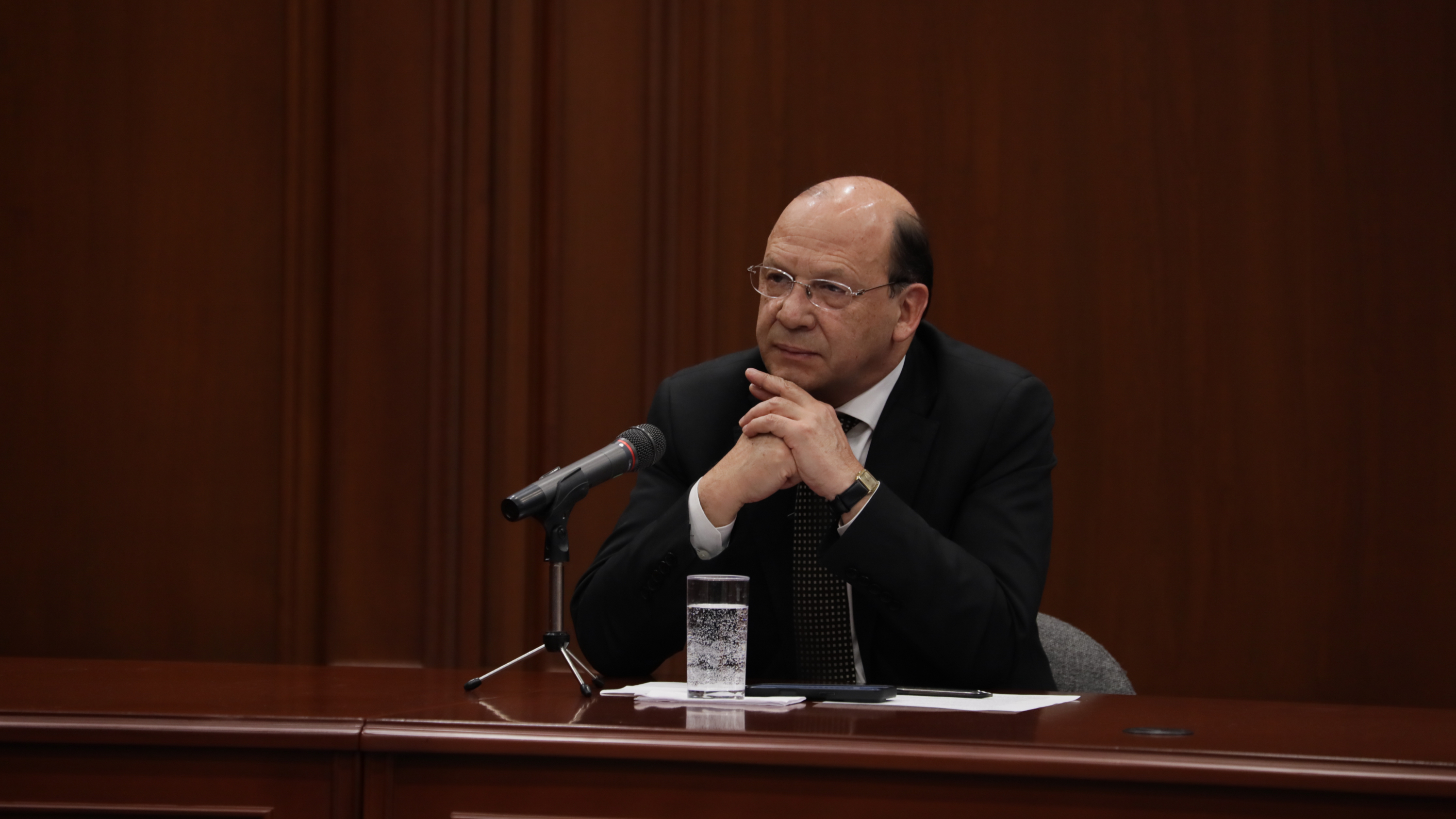
Gustavo Petro, president of Colombia. Photo:Presidency
Specifically, in capital-intensive sectors, such as energy and infrastructure, he said that the increase in rates and the tax burden will increase the probability of postponement or cancellation of projects. “This implies less works, less employment, lower growth and risks to the availability of essential services“, argument.
In this context, Andi made an urgent call to the authorities so that this government avoids decisions that deepen the fiscal imbalance.
READ ALSO
“There are only a few months left until the government ends, we must ask the economic authorities not to deepen the immense problem that we already have in this remaining time; and we must all be aware of the state of crisis in which public finances are delivered, which has gone from being simply a concern of economists, to become a long-term problem, which all Colombian citizens would have to assumesurely with greater effects on the vulnerable,” commented Bruce Mac Master, president of the union.