Environmental complaints – such as, for example, those related to the invasion of protection areas of bodies of water, the impact of wetlands and mangroves, the contamination of water and air resources, the protection of wildlife and forest species, infrastructure developments outside of legal requirements, irregular mining, the approval of regulatory plans or regressive regulatory changes – must be known and processed by various bodies and entities of an administrative and jurisdictional nature.
These are acts that, in many cases, directly affect regulations designed to guarantee the human right to a healthy environment. It is no coincidence that multiple cases have received media attention due to their severity and their current or potential impacts on the environment.
These complaints, or actions that the State receives and processes, should draw attention to the importance of have a sufficiently robust, effective and efficient environmental oversight framework to serve them.
When analyzing the capacities to comply and enforce (inspect and sanction) the abundant and complex existing legal framework, it is observed that, although in recent years coordination systems and mechanisms have been implemented – such as the System for Processing and Attention to Environmental Complaints (Sitada) or the Environmental Safety Commission – and there are specialized bodies – such as the Administrative Environmental Court, which has faced financial, human resources and technical limitations -, still significant challenges remain.
Repeating patterns
As a result of various investigations carried out by the State of the Nation Program, some characteristics of environmental complaints in the country can be identified.
Firstly, there is evidence of repetition of violations. This forces us to reflect on what additional measures should be adopted to minimize its impacts. These include education and awareness; informing the population about illegal activities and legitimate uses of resources; eventual regulatory adjustments that allow more orderly access to environmental goods; strengthening preventive actions, such as patrols, and increasing the deterrent effect through a more effective application of sanctions.
System limitations
Although efforts have been made to improve the processing of complaints and inter-institutional coordination, there are difficulties in consolidating a national system of environmental control and compliance of greater scope. Weaknesses also persist in the generation of comprehensive environmental statistics on the state of oversight.
In particular, most of the information available is quantitative and not qualitative in nature. This limits the possibility of evaluating the scope of the final resolutions and their real impact on the environment, aspects that are still not sufficiently documented.
What is reported most frequently?
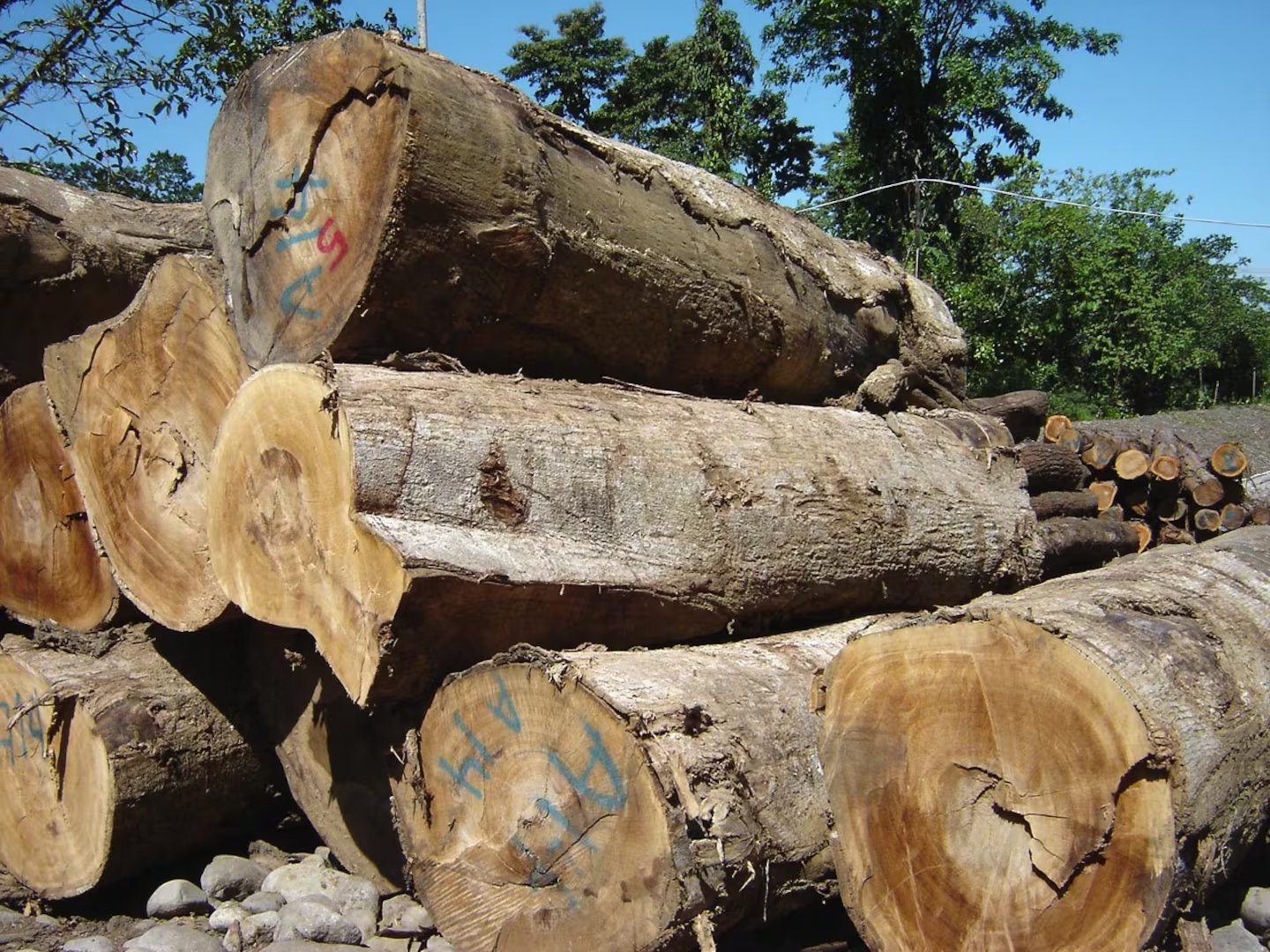
The natural resources whose impact has been reported most frequently in recent years are concentrated in the forestry area – change in land use, illegal logging, invasion of water protection areas and wetlands – as well as in water resources, both due to contamination and improper use. Complaints of non-compliance with permits and requirements in the development of productive activities are also recurring.
In the Constitutional Chamber, the typology of cases is more diverse.
Advances
Progress has been made in the use of instruments for assessing environmental damage.
The National System of Conservation Areas (Sinac) has more frequently resorted to administrative measures or orders that, in addition to ordering the cessation of activities, require compensation actions. Likewise, the use of article 99 of the Organic Law of the Environment – relating to sanctioning and compensatory measures for violations of environmental regulations – has been extended to other entities, which has allowed administrative authorities to adopt this type of provisions.
On the other hand, the use of precautionary measures, both at jurisdictional and administrative level, has proven to be particularly relevant to avoid damage to the environment. This is, especially, the case of the Constitutional Chamber.
Finally, one of the main challenges continues to be the execution of what has been resolvedas well as inter-institutional coordination, both for addressing complaints and for effective compliance with the resolutions adopted.
jorgecmedaglia@hotmail.com
Jorge Cabrera Medaglia is an environmental lawyer and professor of Environmental Law at the University of Costa Rica (UCR).