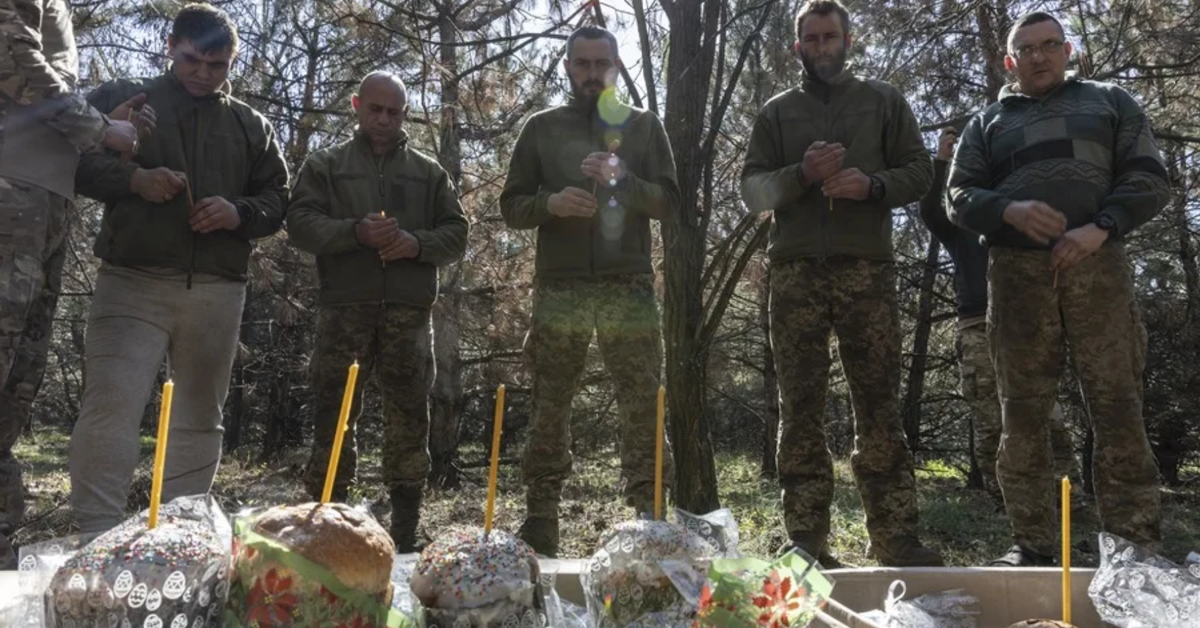
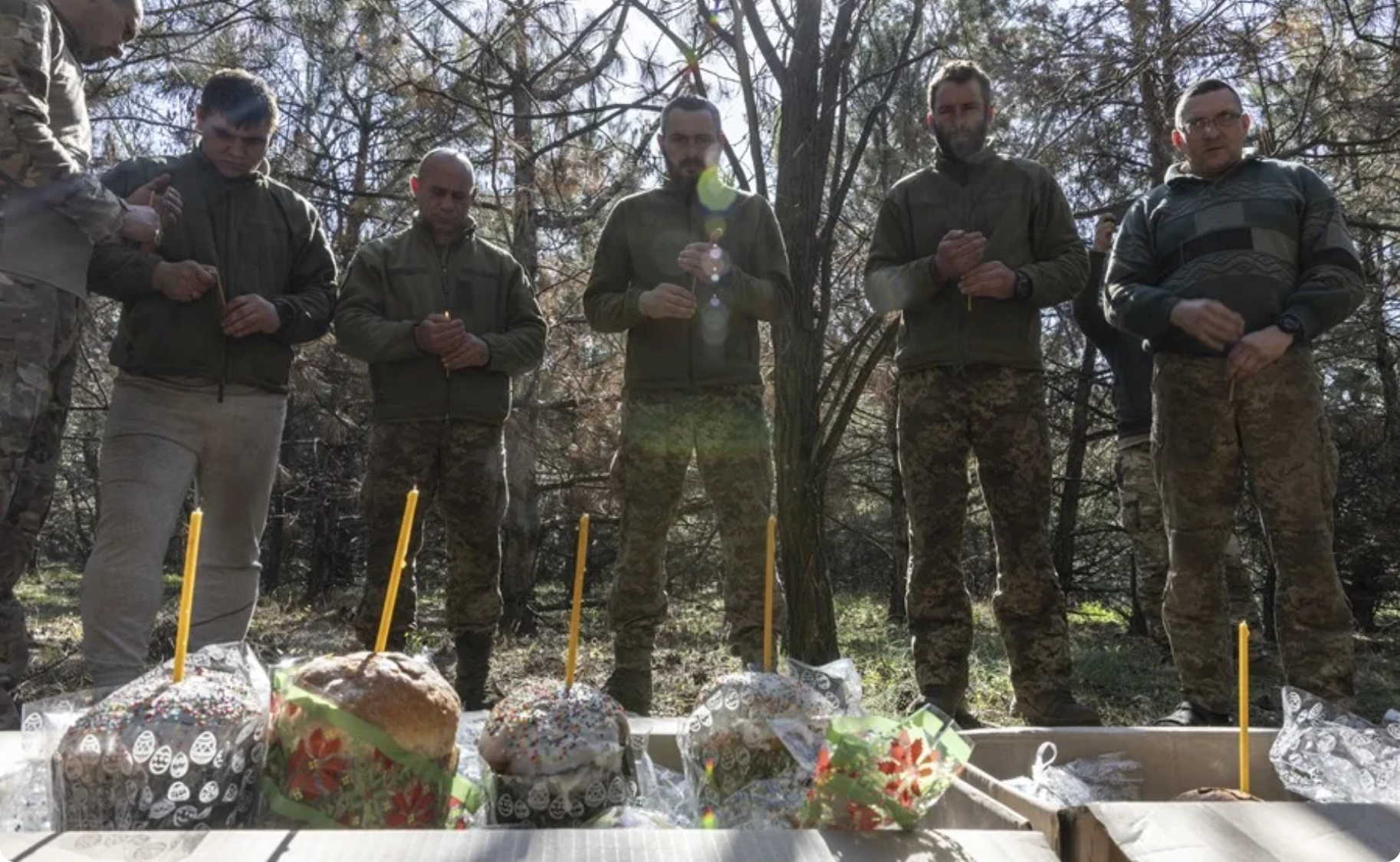
Moscow/The Kremlin stressed this Friday that the truce announced last night by Russian President Vladimir Putin is exclusively for Orthodox Easter (Saturday and Sunday), thus rejecting its possible extension.
“As we have repeatedly said and as President Putin has stated, we do not want a ceasefire, we want peace: a lasting and sustainable peace,” stressed Kremlin spokesman Dmitri Peskov in his daily telephone press conference.
When asked about a possible extension of the ceasefire, the Kremlin pointed out that the announcement is in line with Orthodox Easter and has “a humanitarian character”, since it is a sacred holiday for both Russians and Ukrainians. Previously, the Kremlin already rejected Ukrainian proposals for a prolonged ceasefire.
According to Moscow, the cessation of hostilities should be agreed only by accepting Russian demands, which have remained practically unchanged since the start of the war.
According to Moscow, the cessation of hostilities should be agreed only by accepting Russian demands, which have remained practically unchanged since the start of the Ukrainian war, evidencing Russian inflexibility in the negotiations four years after the start of its armed campaign.
Russia fears that Ukraine could take advantage of a truce to strengthen its positions without finally reaching an agreement.
“This period does not allow the Ukrainian side to take advantage of it in any way to obtain military advantage, regroup or undertake actions that could alter its military position,” declared this Friday the representative of the Russian Foreign Ministry for Ukraine, Rodion Miroshnik, in relation to the latest ceasefire. The ambassador added that “Russia will not grant such favors to anyone.”
Last night the Kremlin unilaterally announced “a ceasefire from 4:00 p.m. on April 11 until the end of April 12, 2026” without prior consultations with the United States or Ukraine.
In recent weeks, Ukrainian President Volodymyr Zelensky, who repeatedly proposed a truce for these festivities, assured that he would support it.
In recent weeks, Ukrainian President Volodymyr Zelensky, who repeatedly proposed a truce for these festivities, assured that he would support it.
This will be the fourth ceasefire since the start of the Ukrainian war in 2022. The first was declared in 2023 for Orthodox Christmas Day, January 6-8, and the second for Easter 2025, April 19-21.
A third ceasefire was declared from May 8 to 11 last year, commemorating the 80th anniversary of the Red Army’s victory over Germany in World War II.
Meanwhile, negotiations to find a solution to the conflict remain on hold since the last trilateral round held in Geneva in mid-February.