A response has been received to this news. The Tash-Rabat fence and canopy are temporary measures to protect the restoration, – Ministry of Culture
Why the ancient caravanserai “Tash-Rabat” was deprived of its historical appearance, a resident wonders.
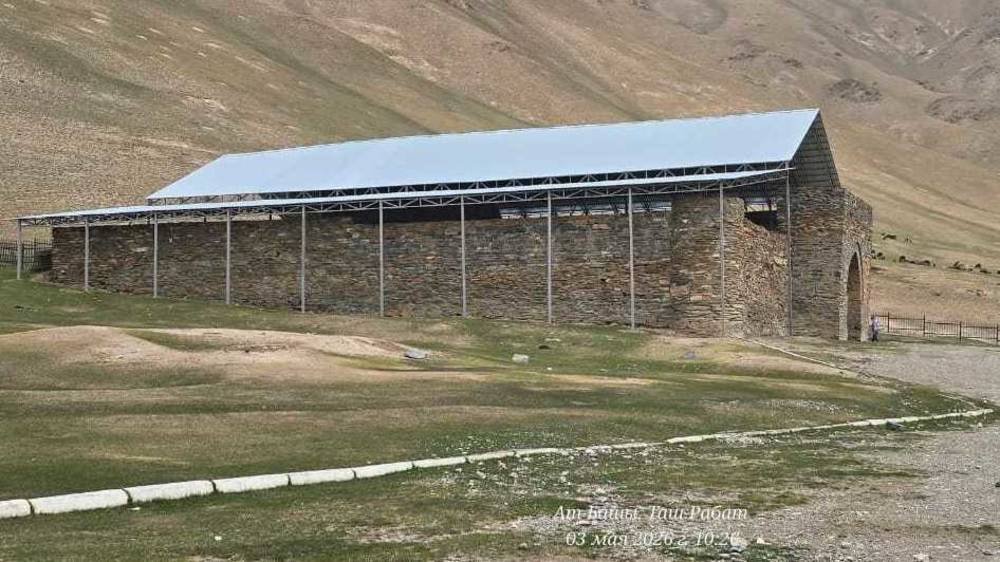
He believes that due to the metal canopy installed over Tash-Rabat, the historical object looks like a structure reminiscent of a hangar or industrial warehouse.
“Today the market offers a wide range of modern transparent waterproofing materials, injection compounds and “invisible” conservation technologies that allow you to protect stone and masonry without changing the silhouette of the building. “Tash-Rabat survived hundreds of years under the snow and winds of At-Basha, and modern restoration methods could ensure its safety without the construction of such “cages,” he wrote.
A resident asked questions to the Ministry of Culture:
– Based on what expert opinions was the decision made to install this particular design?
– Have alternative conservation options been considered using modern waterproofing materials that do not distort the appearance of the monument?
– Is this canopy a temporary measure, and is there a plan to return Tash-Rabat to its true historical appearance?
“Our legacy requires a professional approach, not simple business decisions. We risk forever losing the tourist attraction and spirit of history of this unique place,” he said.
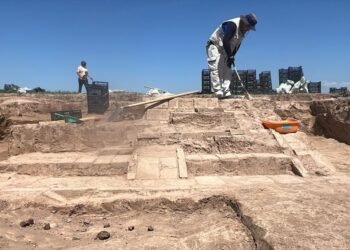
In December The Ministry of Culture reportedthat restoration is being carried out in the Tash-Rabat caravanserai in the Naryn region. The fencing and temporary roof, according to the department, are temporary protective measures necessary for restoration.
These measures ensure:
– protecting the monument from livestock by installing fences;
– reducing damage from rain and creating safe conditions for specialists thanks to the installation of a temporary roof.
These structures are temporary and will be dismantled after restoration is completed. All work is carried out strictly on a scientific basis: each stage is based on expert opinions, laboratory research and historical materials, the Ministry of Culture noted.